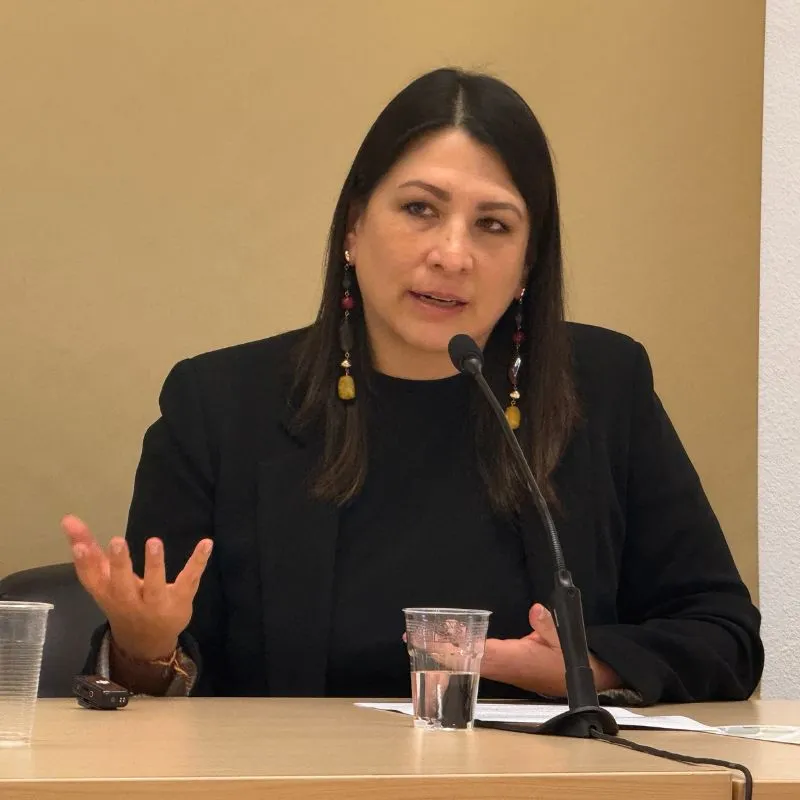
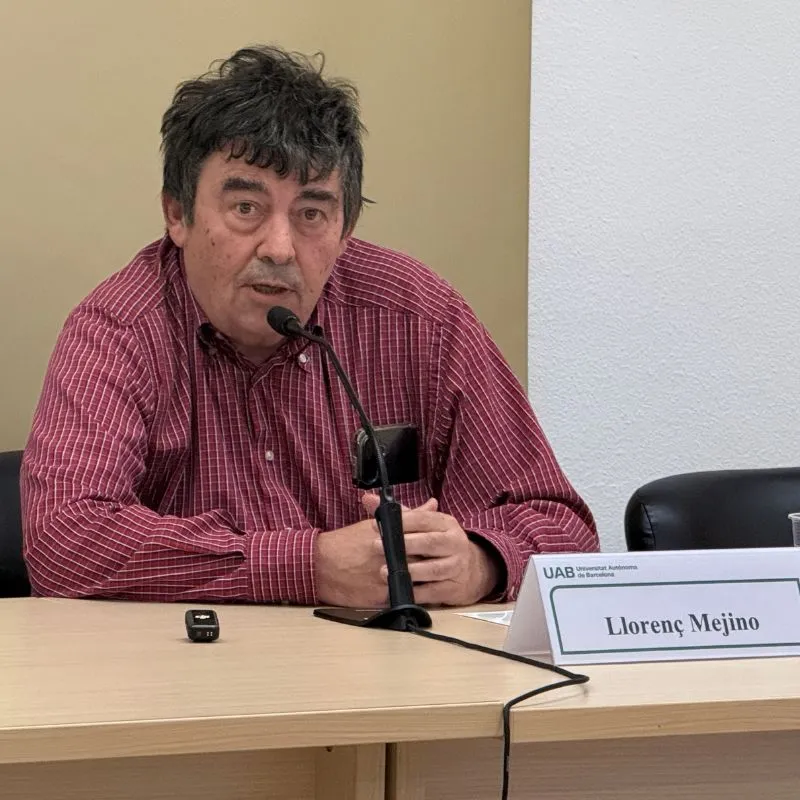
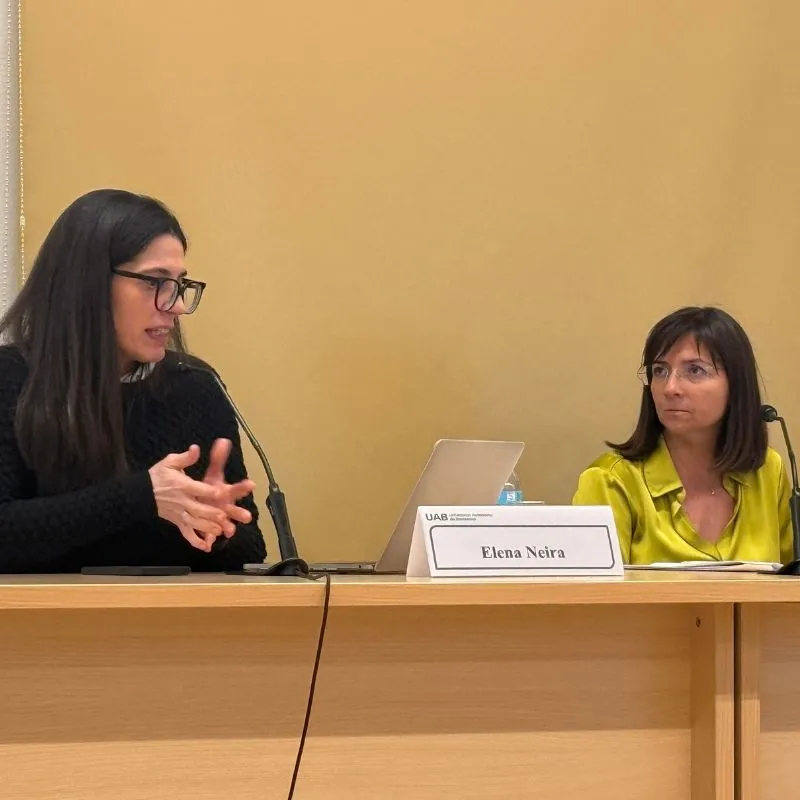
[Bellaterra, Campus UAB, 1/12/2025] Researchers, journalists and media professionals from several countries, participating both on site and online, took part in the expert panel of the Sports-Politics research project, focused on how gender, diversity and equality in sport are represented in fiction, documentaries and on-screen narratives. The session combined academic findings with practical initiatives aimed at promoting equality for women and diverse identities in sport.
Held at the Sports Research Institute (IRE) headquarters on the UAB Bellaterra campus, the panel opened with an introduction by IRE Director Emilio Fernández Peña. The project’s Principal Investigator, Anna Tous Rovirosa, presented the research goals and preliminary findings of the Sports-Politics group, including publications of the project in Palabra Clave on queer and non-normative characters in contemporary sports TV series, and Historia y Comunicacion Social on male football comedy and toxic masculinity, with Ted Lasso as a key case study. She also highlighted two forthcoming publications: a paper in IJOC on false female empowerment in sports TV series, and a book published by Tirant lo Blanch, Series deportivas de televisión. Una perspectiva de género.
Participants then discussed how current sports series and films portray gender roles, stereotypes and diversity. Television critic Llorenç Mejino (Diario Vasco, Serielizados) reviewed recent sports productions and their approach to gender issues. From the institutional side, Esther Olló (Institut Barcelona Esports, Barcelona City Council) outlined policies to promote diversity and equality in sport, while Jennifer Seefoo, founder of The Change Congress, stressed the need to increase the visibility of women athletes and reduce the gender pay gap.
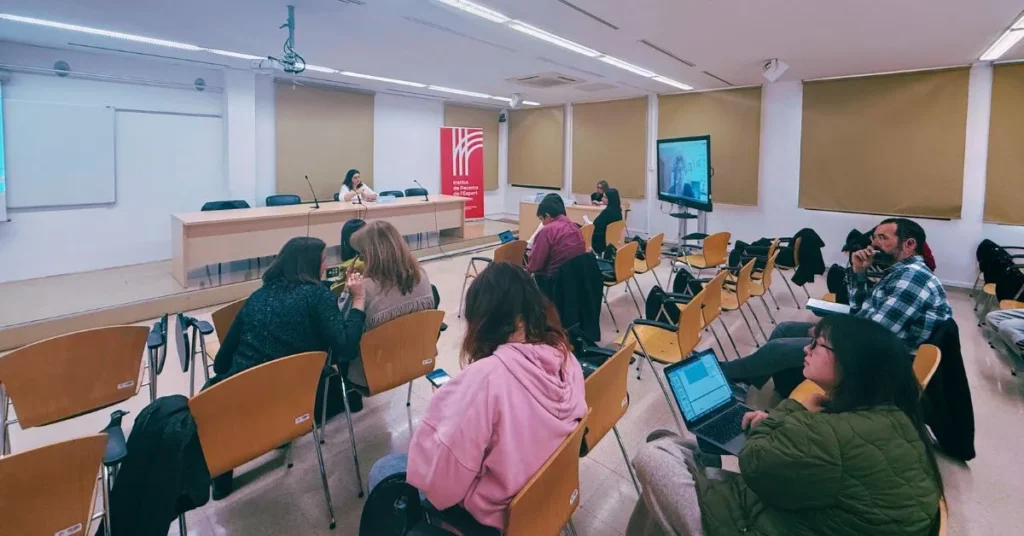
Representing professional athletes, Marina Ponsa and Mar Mas from the Association of Women in Professional Sport (AMDP) highlighted both achievements and ongoing challenges in defending equality and combating the underrepresentation of women in sport. The panel concluded with a focus on British sports fiction: Professor Stephen Glynn (De Montfort University) analysed the portrayal of female boxers on television, and Professor Melanie Williams (University of East Anglia) examined the representation of female football players in UK audiovisual productions.