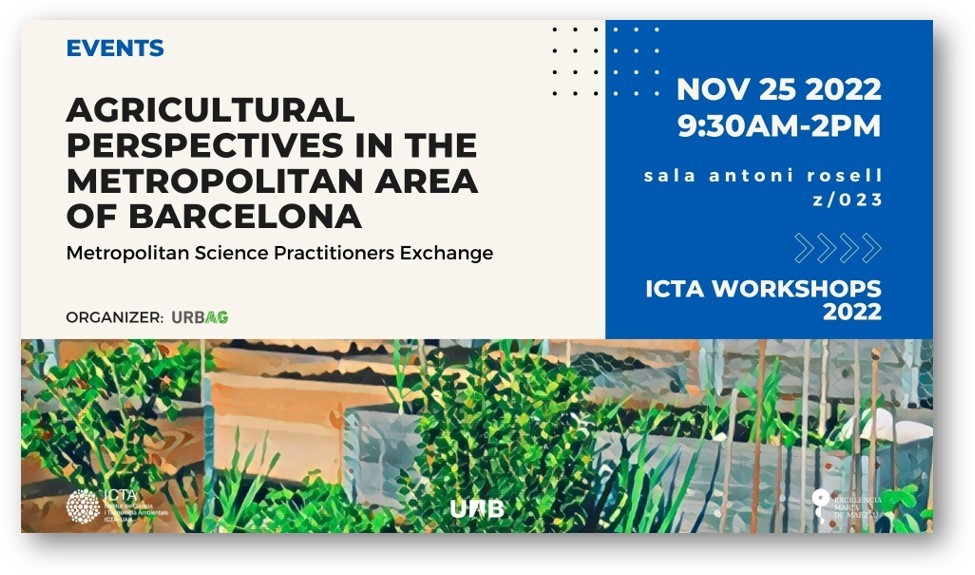
The future of urban agriculture from a social and metabolic perspective

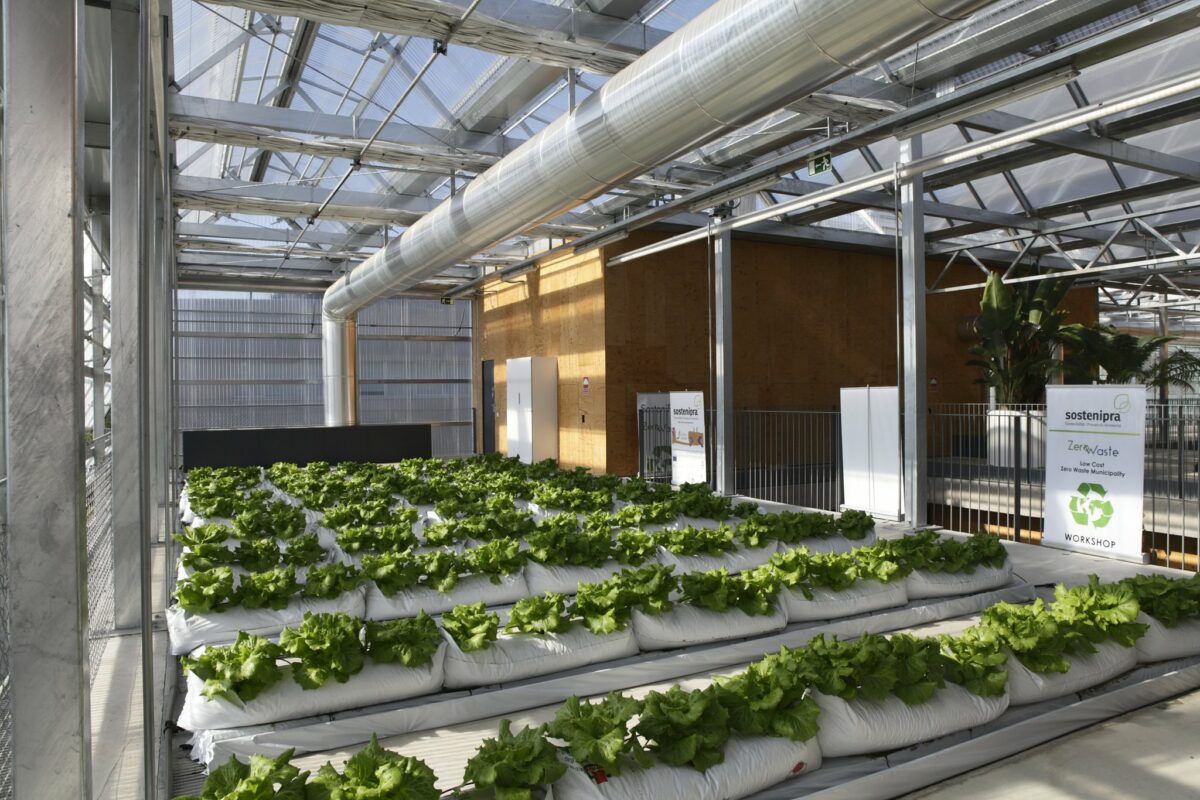
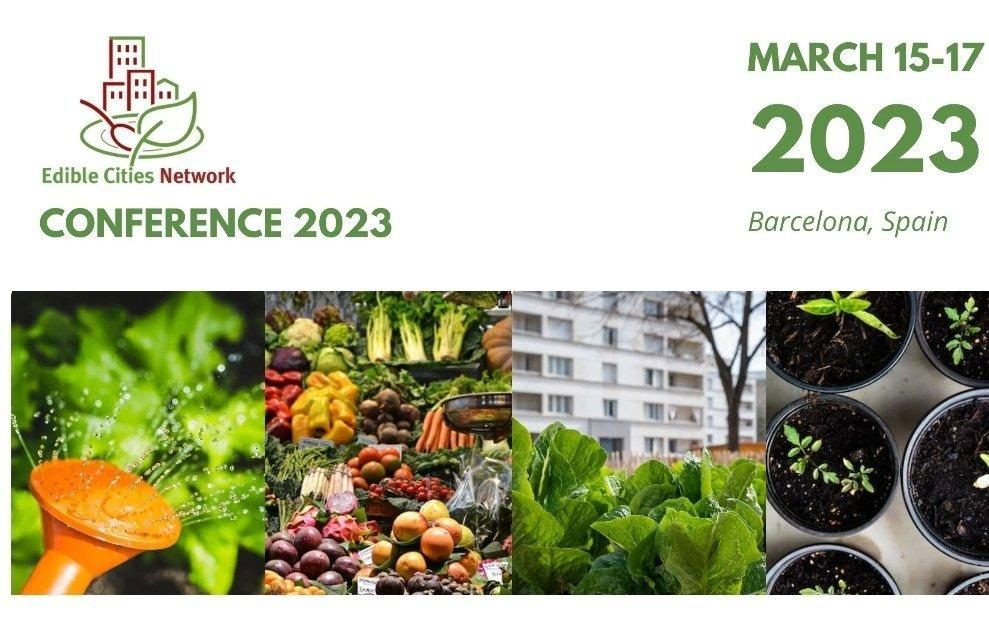
On the 17th of March 2023, URBAG conducted a workshop session in the second Edible City Network Conference held in Barcelona. The session was focused in presenting a comprehensive vision of the current urban agriculture challenges and opportunities, by considering both social and environmental  perspectives, while employing the Metropolitan Area of Barcelona as case study.
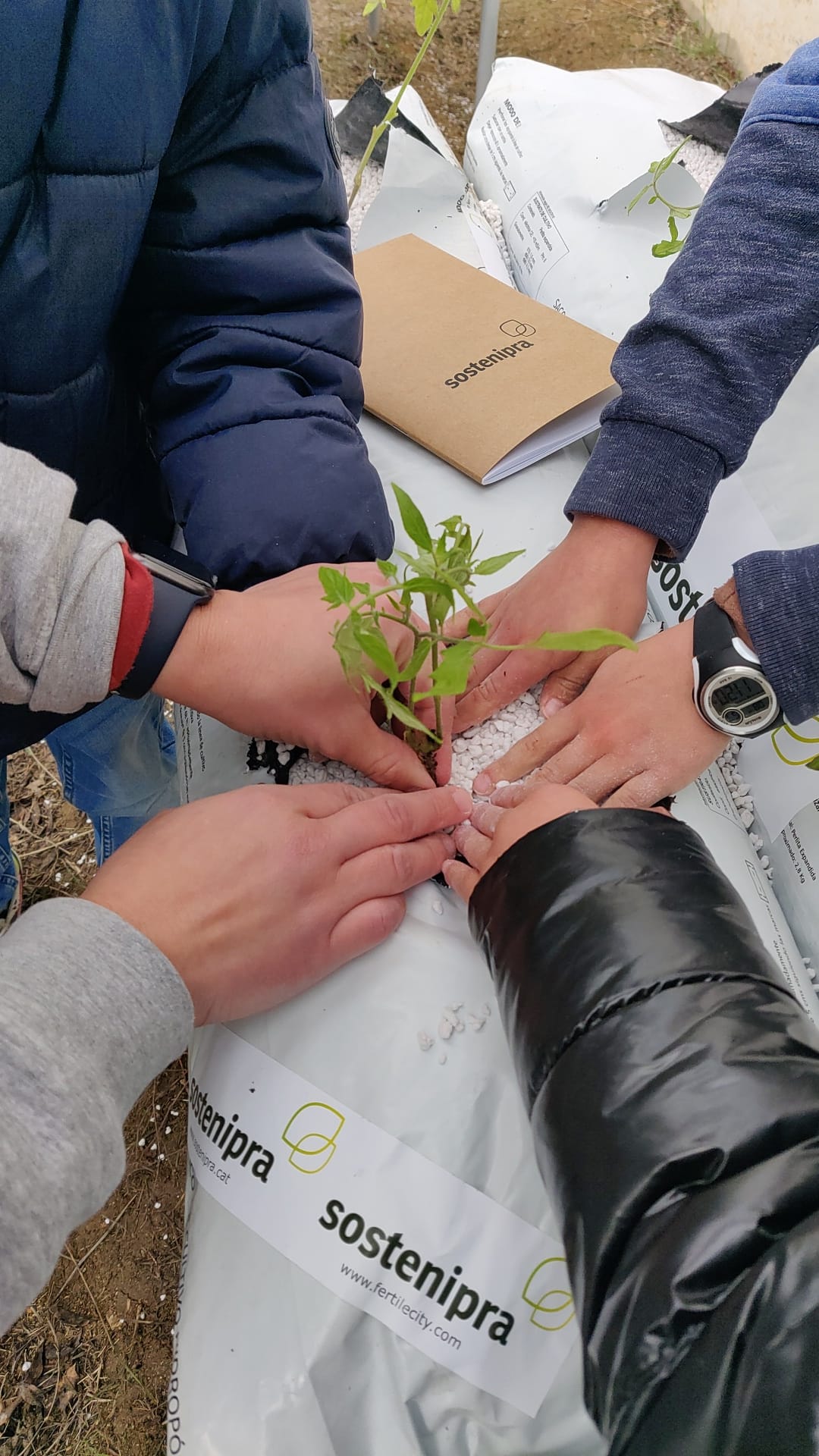
Programa Magnet: aliança amb l’escola La Pau

L'ICTA-UAB i l'Escola La Pau han arribat a una aliança per desenvolupar un projecte educatiu de referència en el marc del programa Magnet. La col·laboració busca fomentar l'esperit crític i la visió científica  a través de dos projectes transversals: l'hort laboratorii la mobilitat sostenible.

New preprint accessible at EGUsphere

Tropospheric ozone (O3) is an important surface pollutant in urban areas, and it has complex formation mechanisms that depend on the atmospheric chemistry and meteorological factors. The severe reductions observed in anthropogenic emissions during the COVID-19 pandemic can further our understanding of the photochemical mechanisms leading to O3 formation and provide guidance for policies aimed at reducing air pollution.

Bojos per la ciència 2023

URBAG ha participat per tercer any consecutiu en el programa Bojos per la Ciència de la Fundació Catalunya-La Pedrera. On conjuntament amb el Departament d’Enginyeria Química, Biològica i Ambiental de la UAB imparteixen el programa Bojos per la Terra.

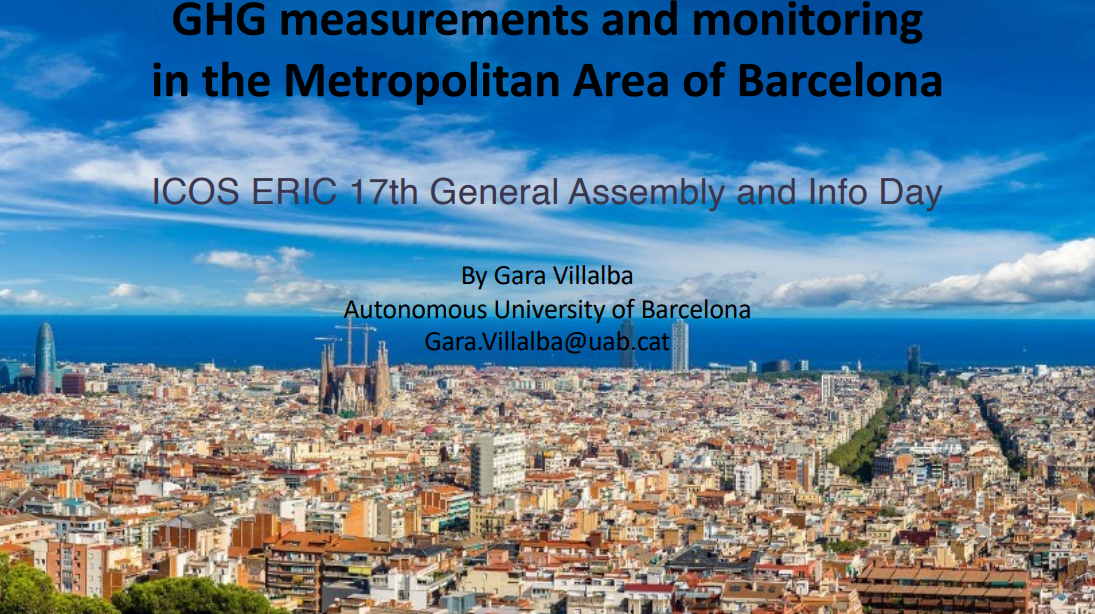
Gara Villalba gives a talk on the GHG monitoring network

Gara Villalba gave a short talk on the GHG monitoring network that she and her team are setting up in the Metropolitan Area of Barcelona. This presentation was part of the ICOS ERIC 17th General Assembly Info Day, which took place in Madrid the days 22nd and 23rd of November 2022 in a session hosted by the Minisitry of Science of Spain Maria Vallejo.

Funded PhD position to work with the URBAG team in atmospheric modeling

The main goal of this PhD position is to assess the impacts of green infrastructure to reduce GHG in urban areas. To achieve this, the candidate will work with the Weather and Research Forecasting model (WRF) coupled with chemical transport (WRF-Chem) with the GHG tracer option called WRF-GHG coupled to the UCM BEP+BEM (Building Effect Parameterization coupled with Building Energy Model). The PhD position is funded by the LaCaixa INPhINIT doctoral fellowships offered through the doctoral programme of ICTA-UAB

New publication in “Science of The Total Environment”

Title: Displaying geographic variability of peri-urban agriculture environmental impacts in the Metropolitan Area of Barcelona: A regionalized life cycle assessment / Peri urban agriculture (peri-UA) can supply food locally and potentially more sustainably than far-away conventional agricultural systems. It can also introduce significant environmental impacts depending on the local biophysical conditions and resources required to implement it.