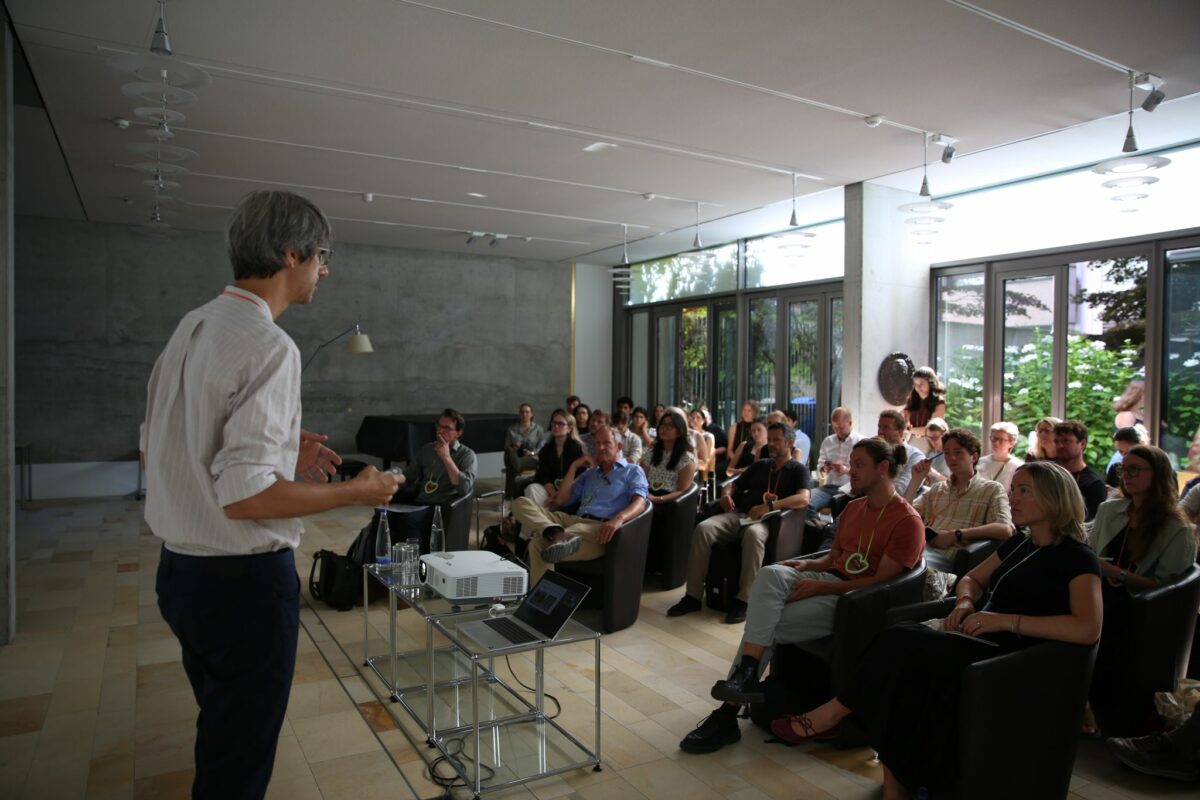
ATRAPA researchers participated in the 18th International NECTAR Conference, held in Munich, Germany, from 13 to 15 July 2026, under the theme Planning for Urban Mobility Transitions in Times of Uncertainty. The conference, organized by the Network on European Communications and Transport Activity Research (NECTAR), is one of the leading European forums dedicated to research in mobility, transport, and urban planning, bringing together scholars and practitioners to discuss, challenge, and advance ideas for more sustainable, resilient, and inclusive mobility.
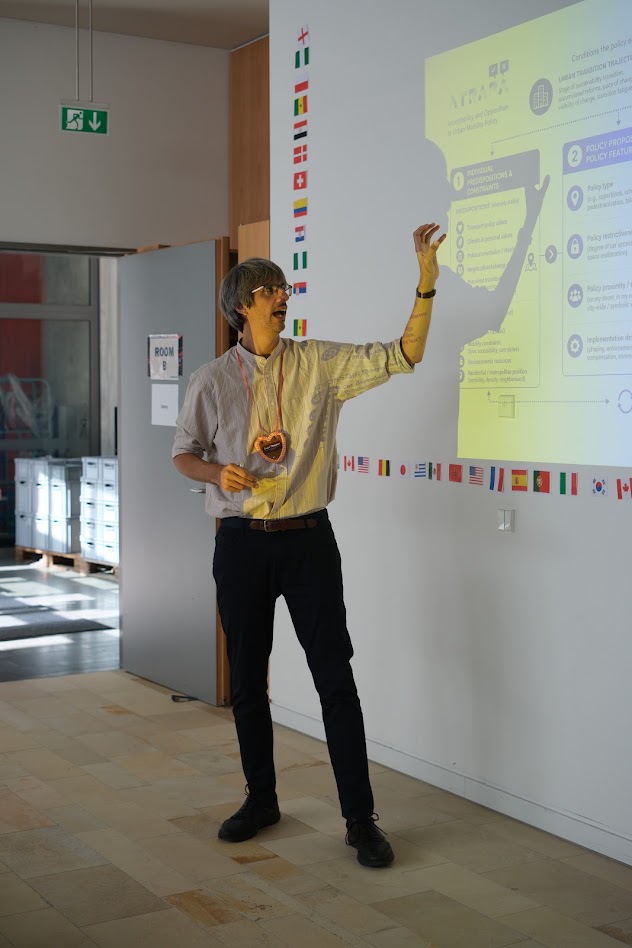
Oriol Marquet presented the research led by pre-doctoral researcher Iker Etxarte Sunsundegi, “How Moral Framings Shape the Acceptability of Urban Spatial Transformations.” The study examines how different moral foundations and framing strategies influence public support for urban interventions such as pedestrianisation schemes and cycling infrastructure.
During the conference, Oriol Roig Costa presented the paper “When Do Perceived Costs Become Opposition? Frames, Values and Backlash to Proximity Planning Interventions in Barcelona.” Developed within the ATRAPA project and co-authored with Filippo Tassinari, Oriol Marquet and Monika Maciejewska, the study explores the nuances between acceptance and opposition to street-space reallocation interventions such as superblocks, pedestrianisation schemes, bike lanes, and school streets. In particular, it analyses “cost accepters”, a profile identified in Barcelona among people who, despite being negatively affected by street transformations, are willing to compromise and accept these changes for the sake of the public good.
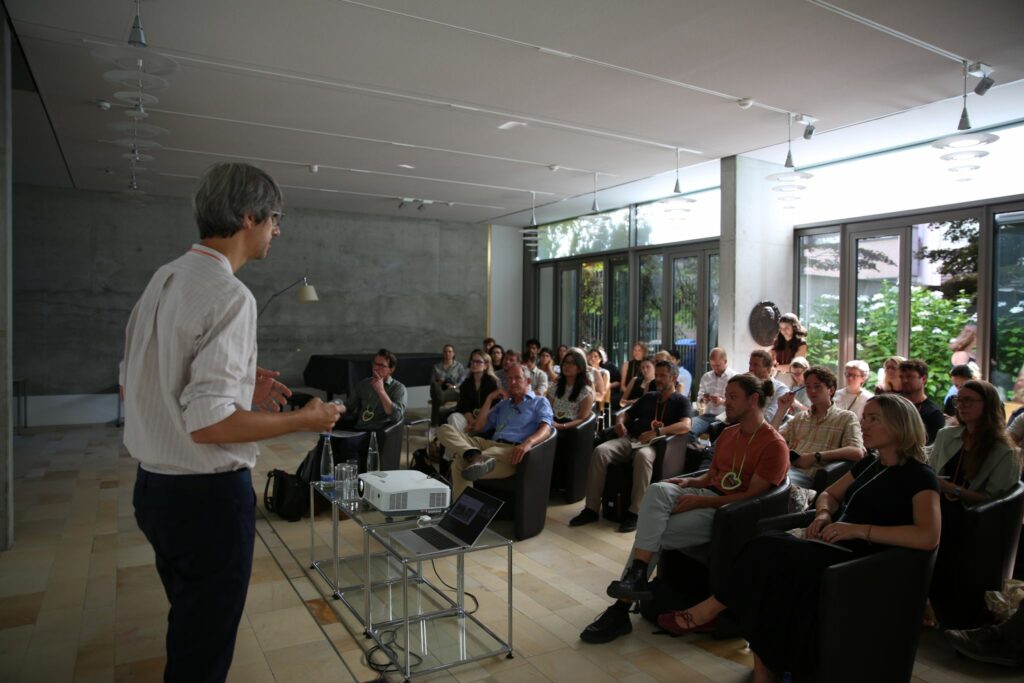
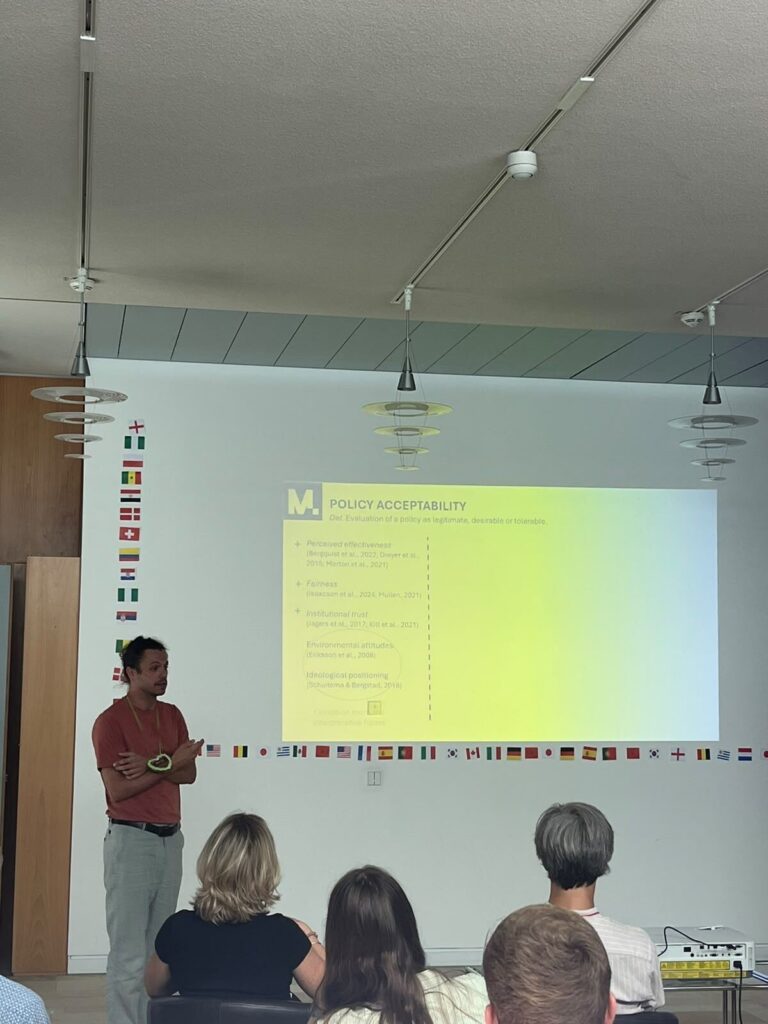
Participation in the NECTAR Conference provided an opportunity to disseminate ATRAPA’s emerging findings to an international audience of researchers working on transport, planning, and urban policy. The discussions and feedback received during the conference offered valuable perspectives for the ongoing development of ATRAPA’s research on policy acceptability, urban transformations, and the social and political dimensions of sustainable mobility.
Conference programme: https://nectar26.eu/