Behavioural Ecology and Evolution of Social Insects
Photo Gallery
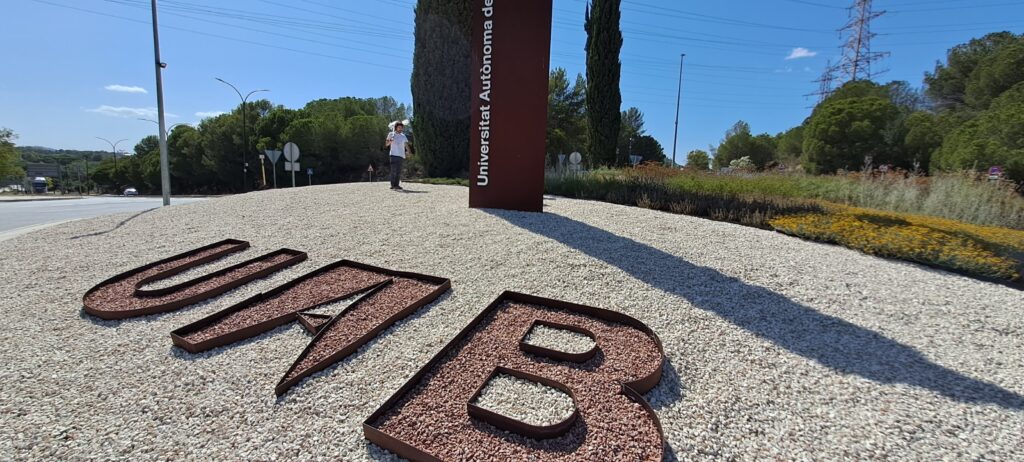
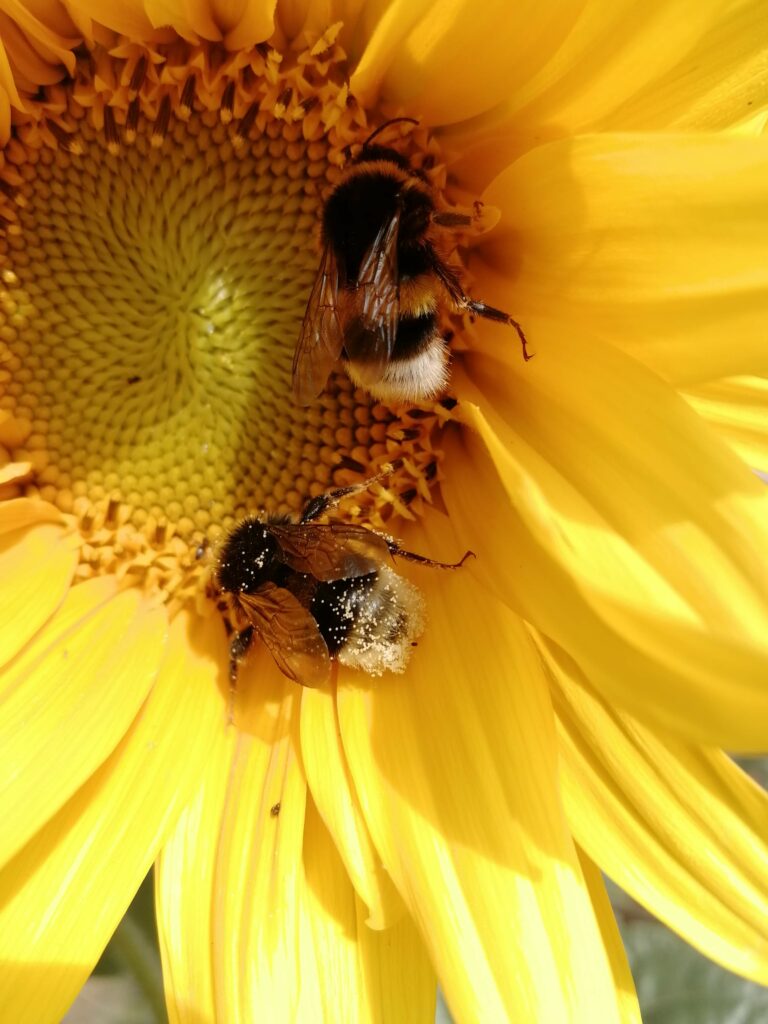
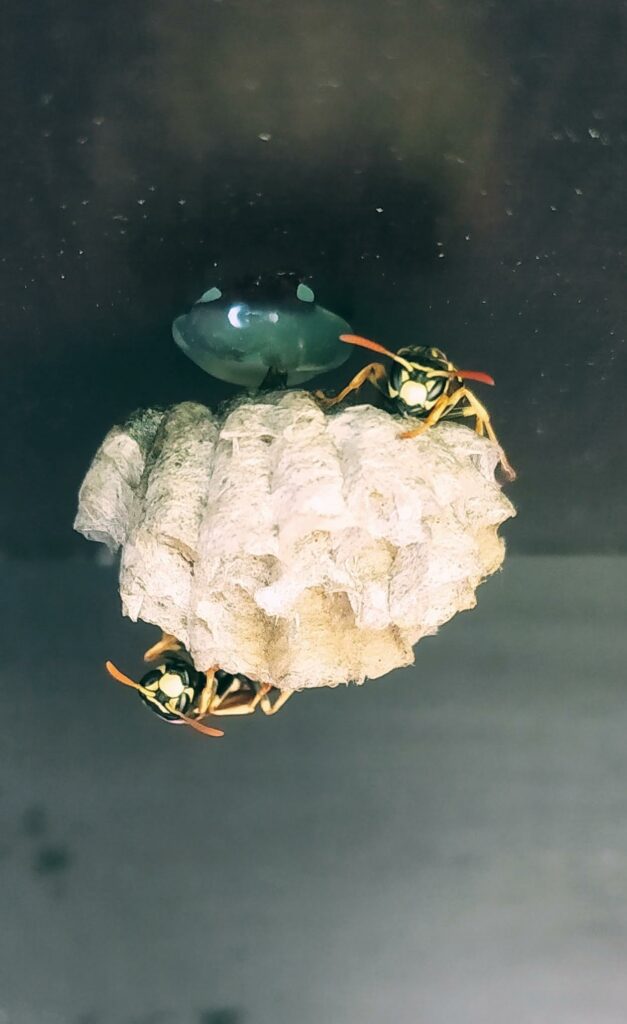
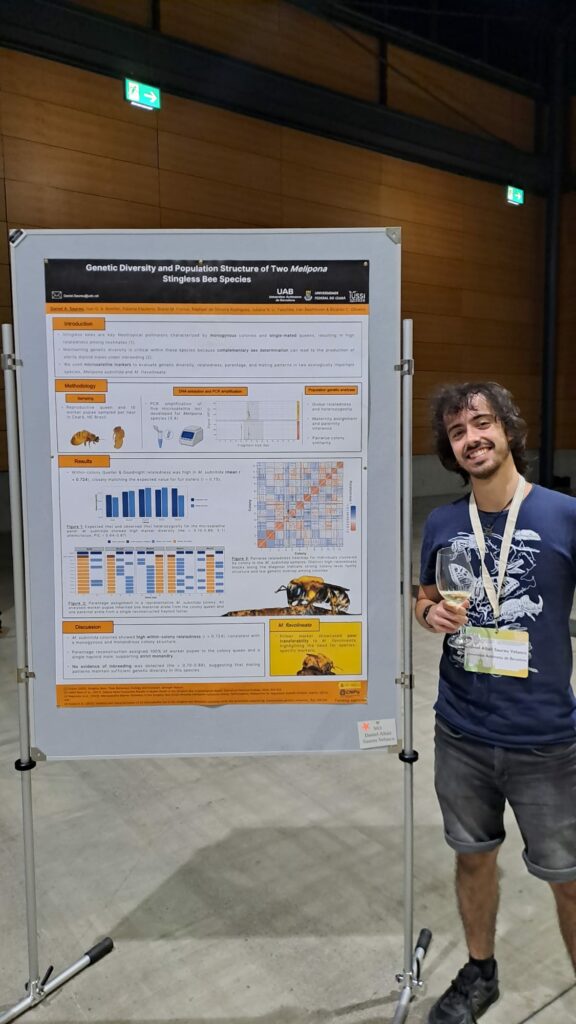
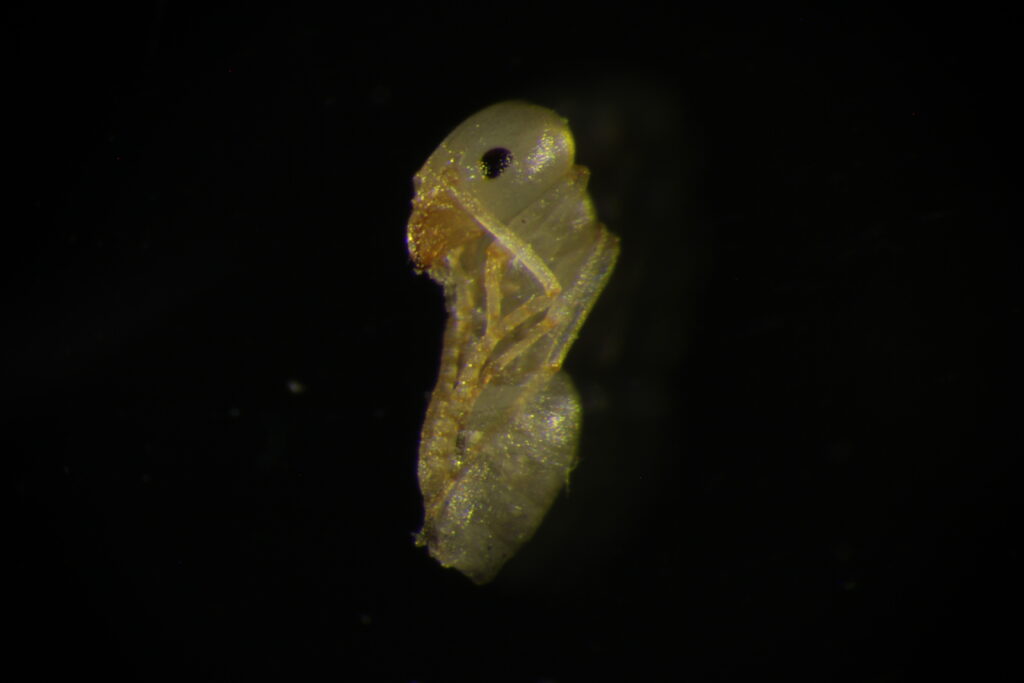
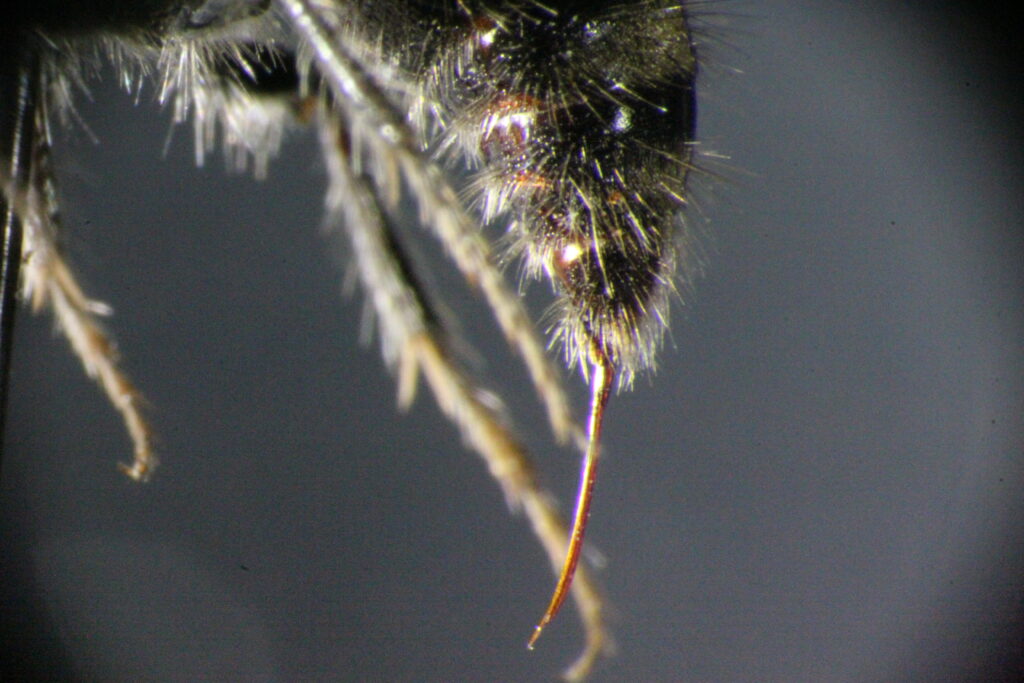
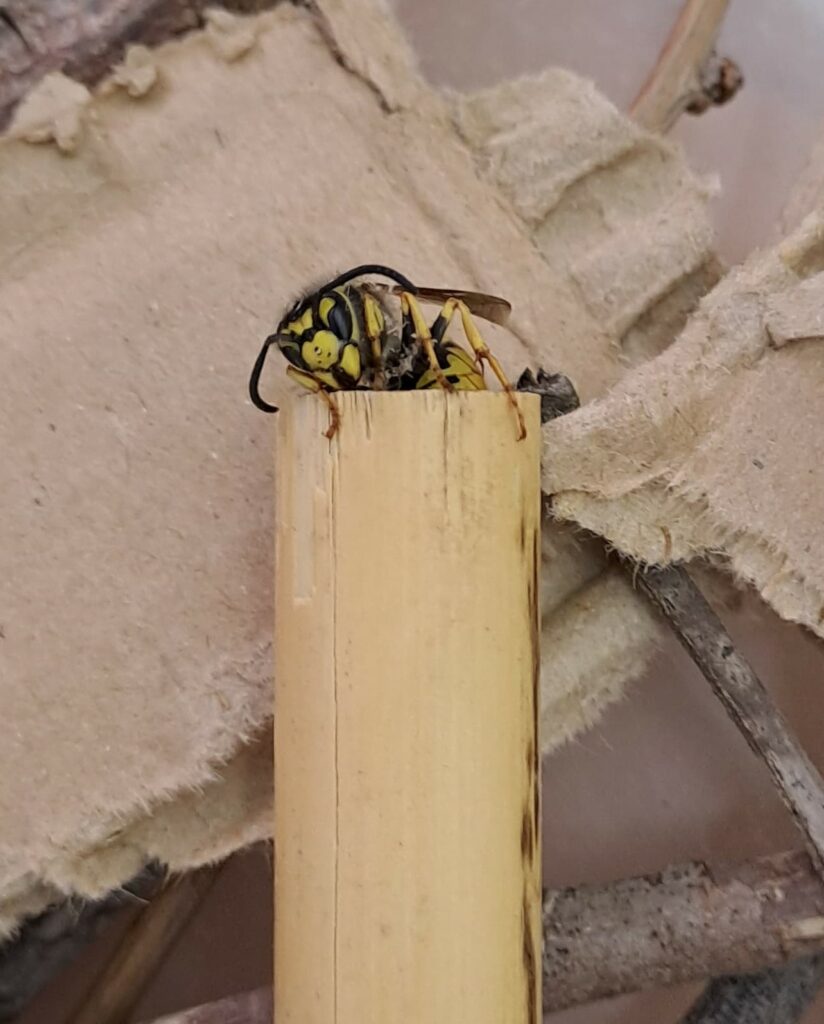
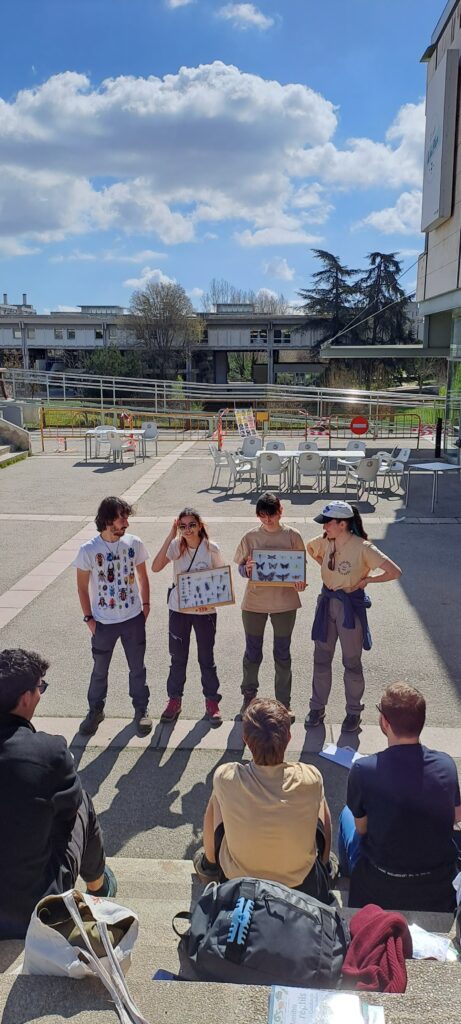
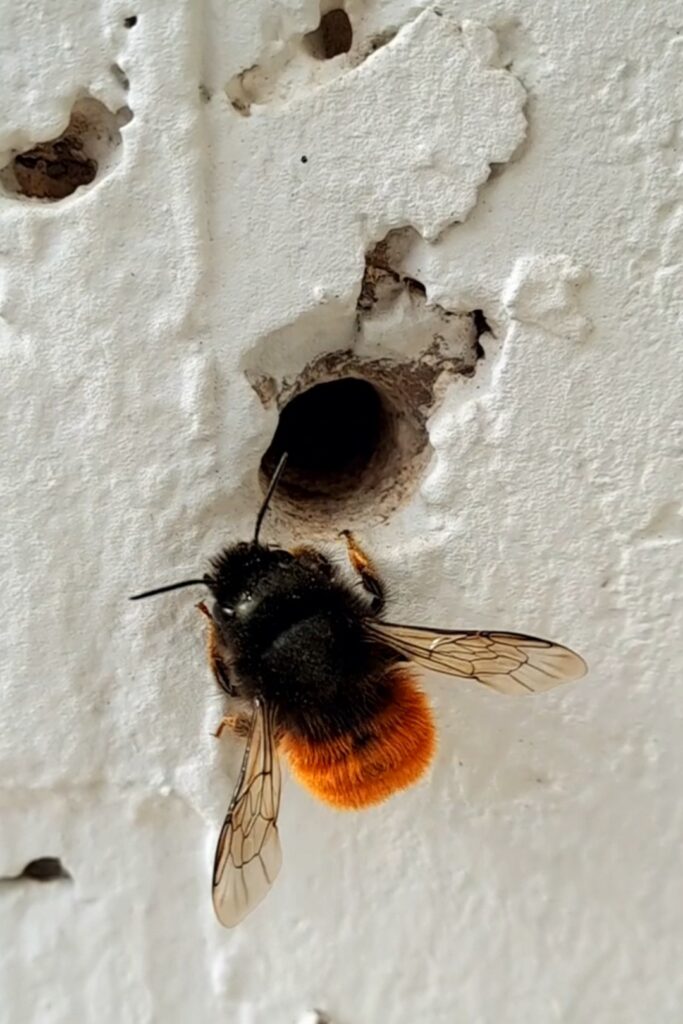
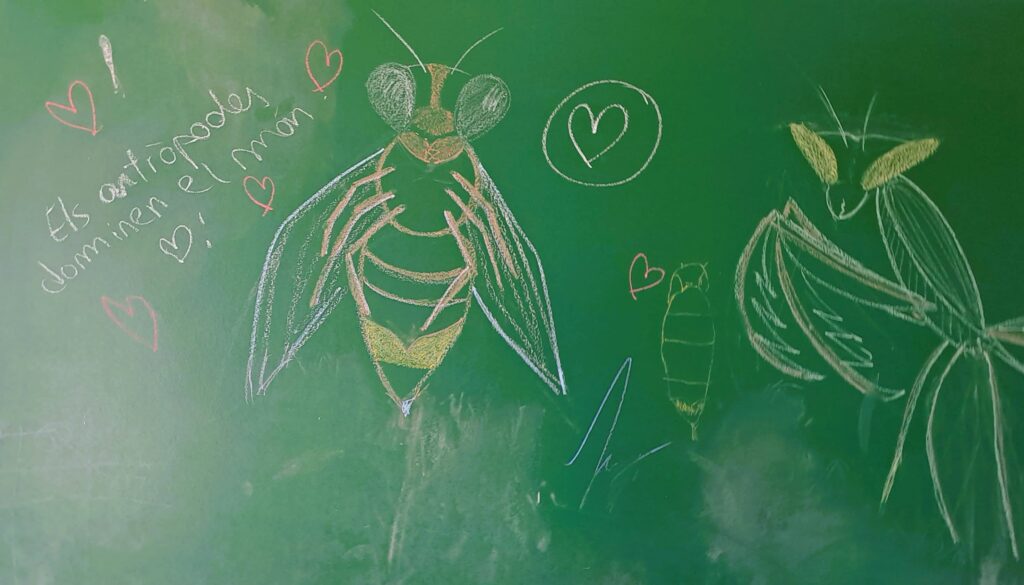
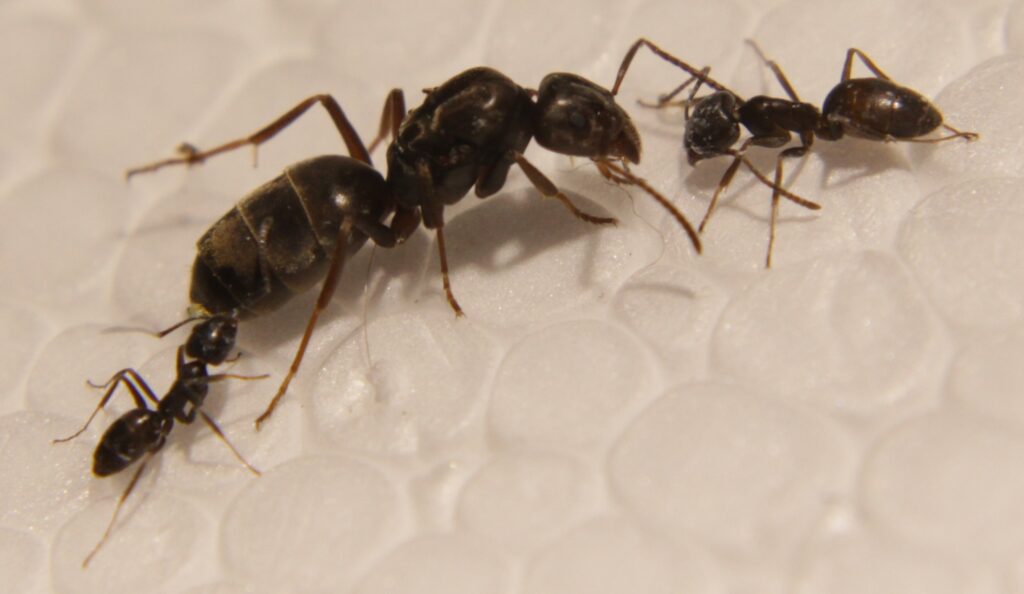
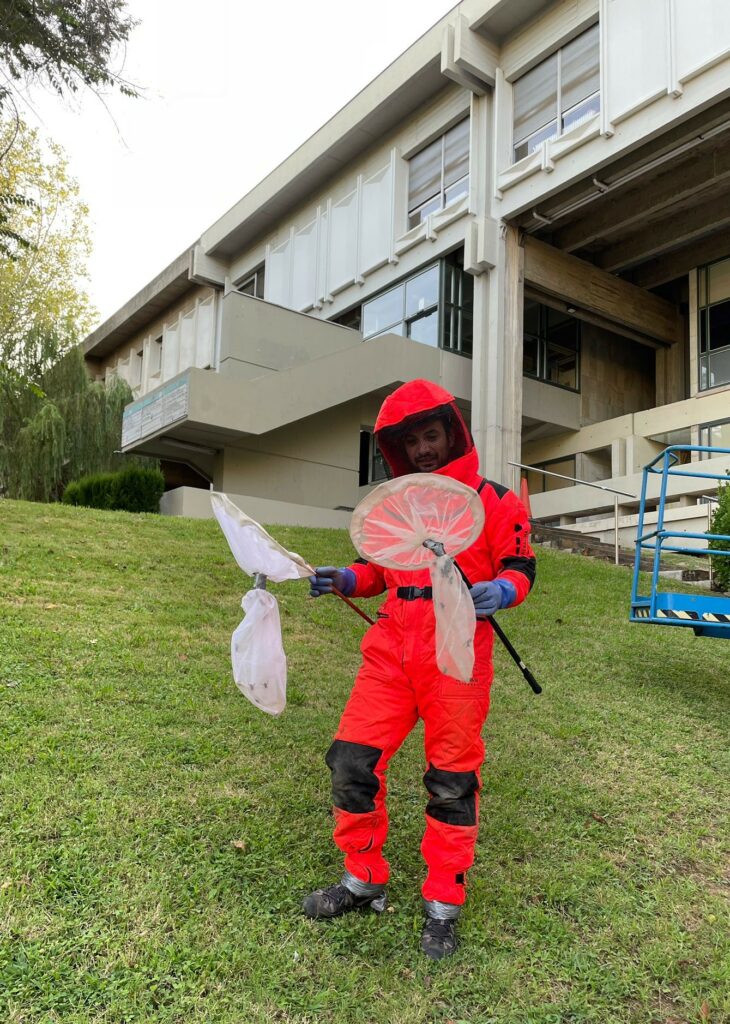
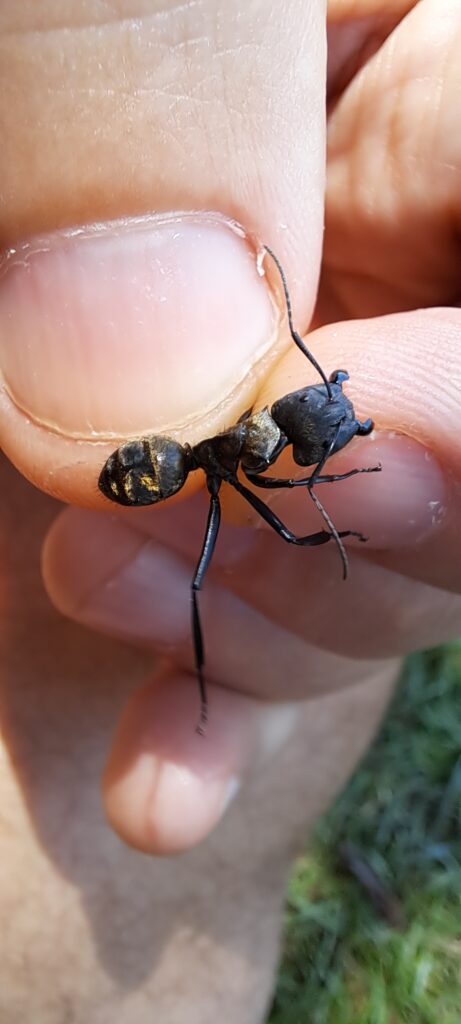
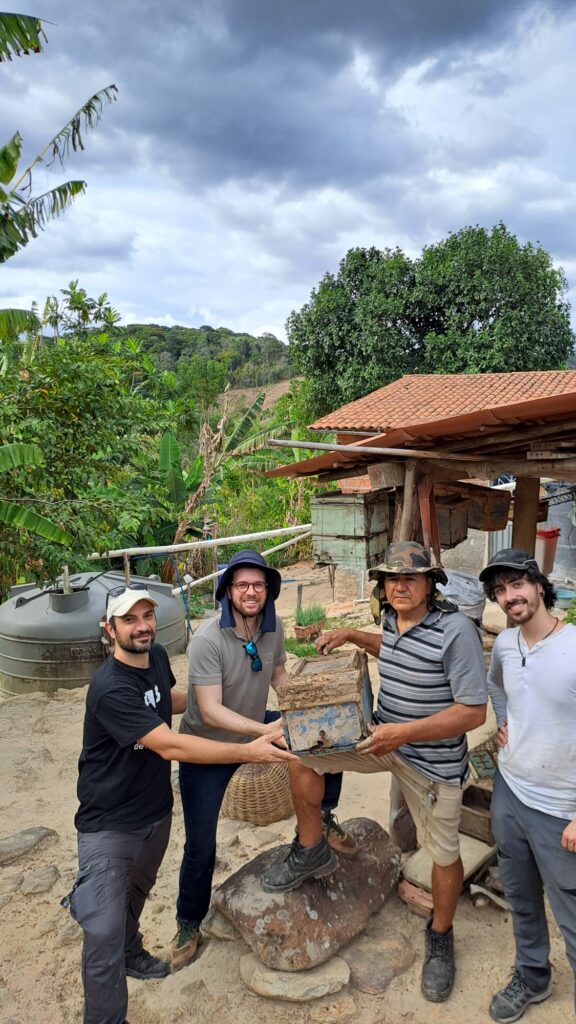
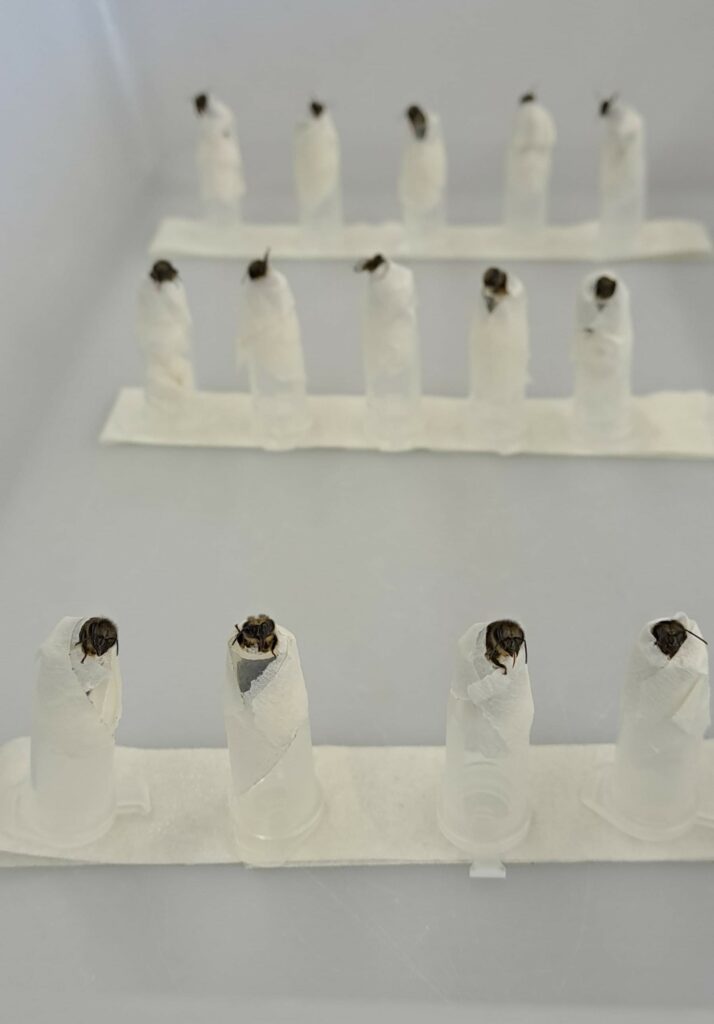
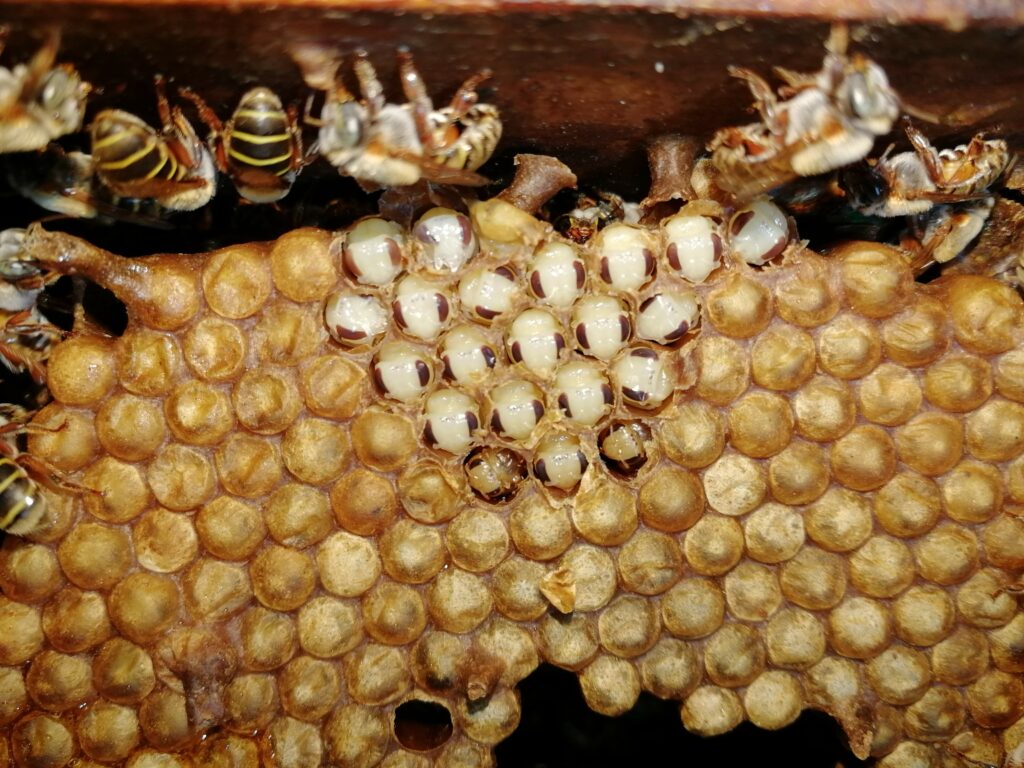
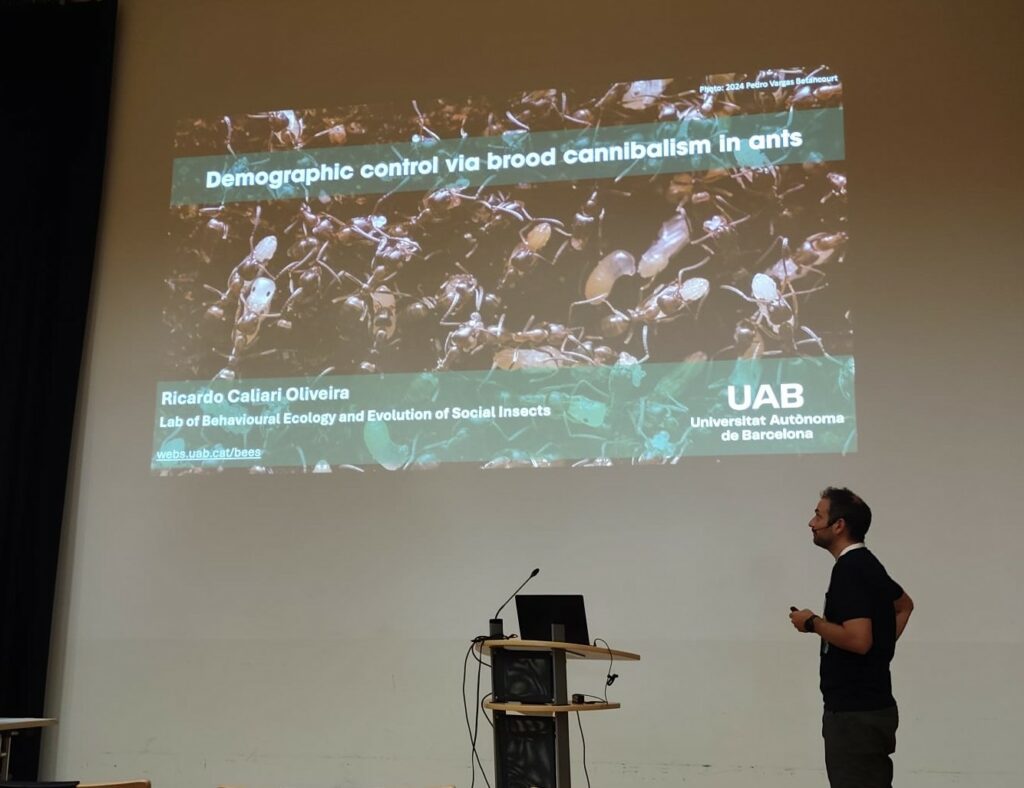
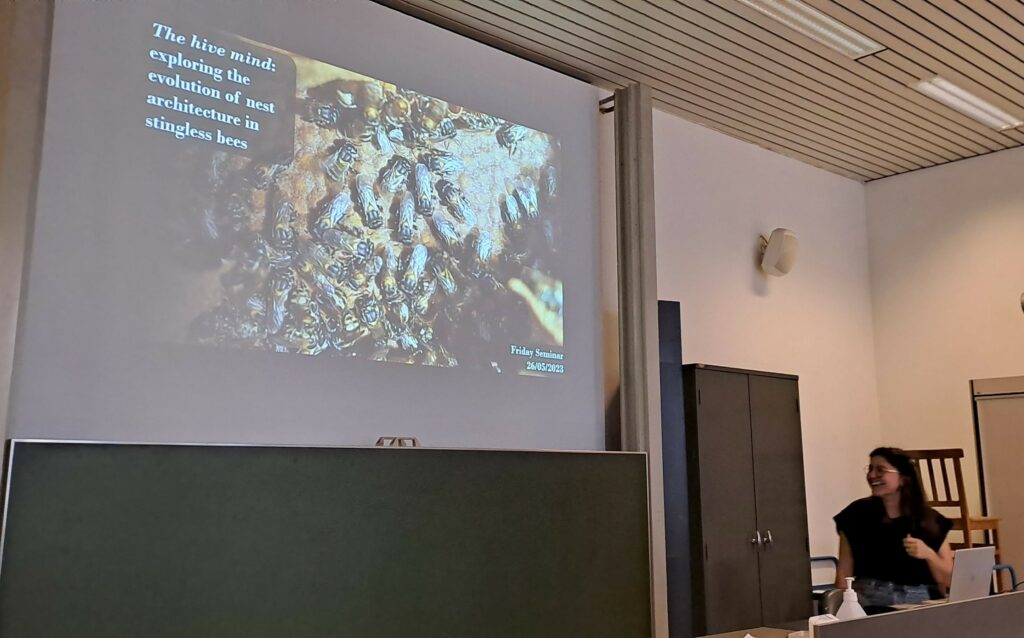
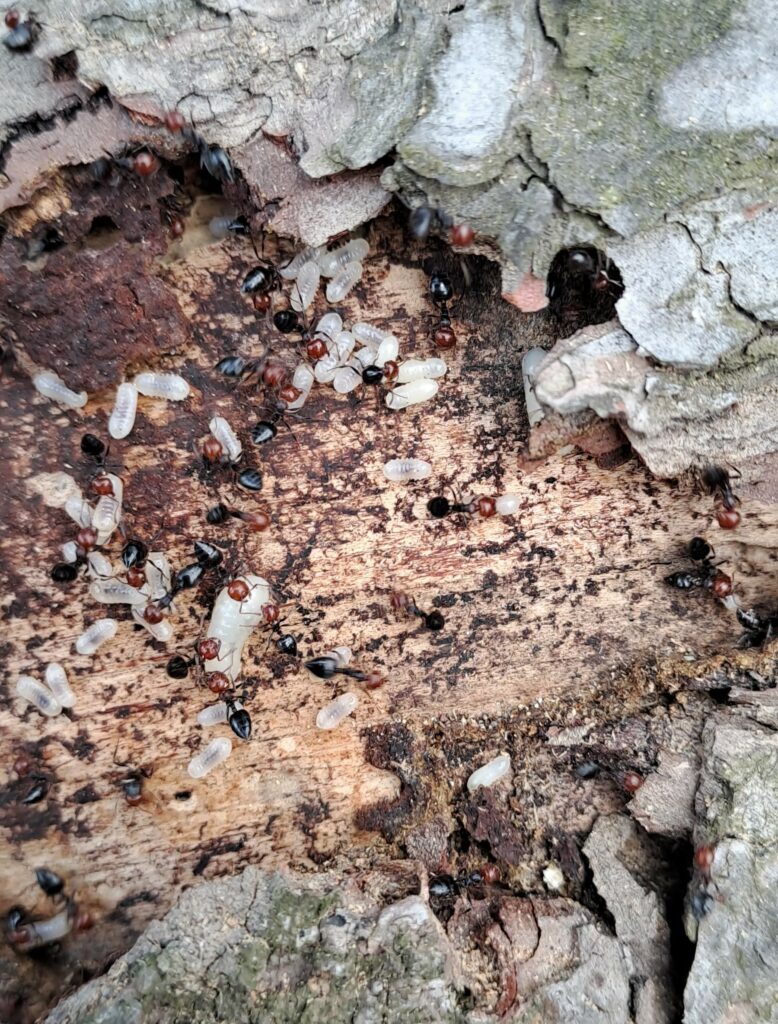
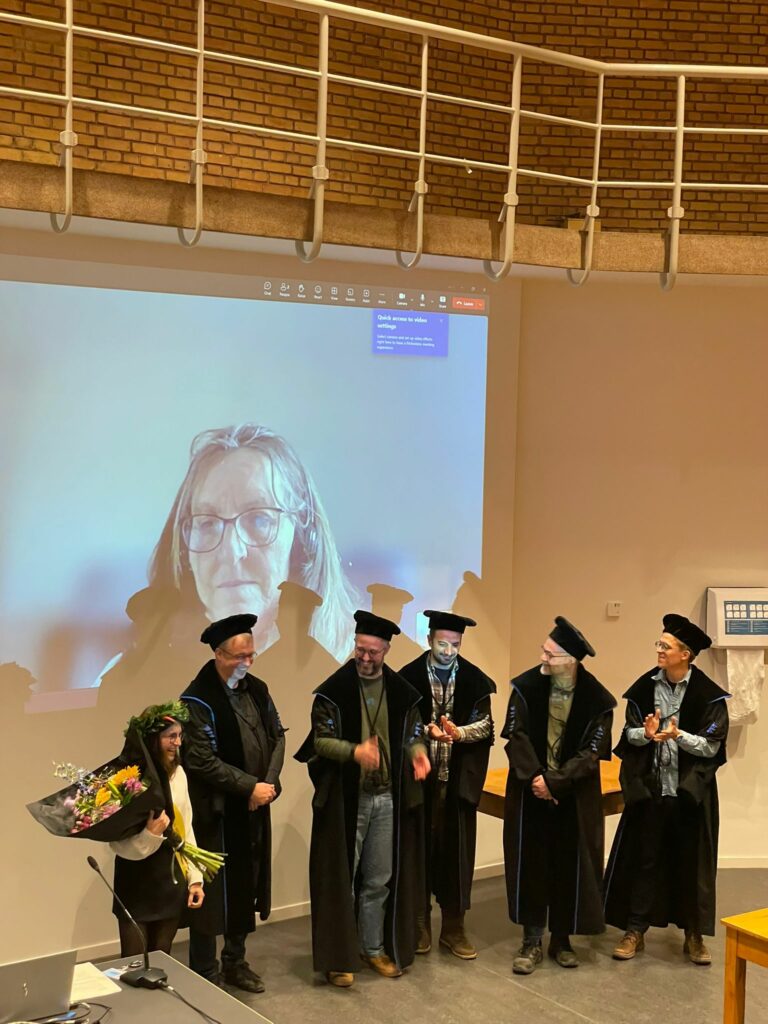
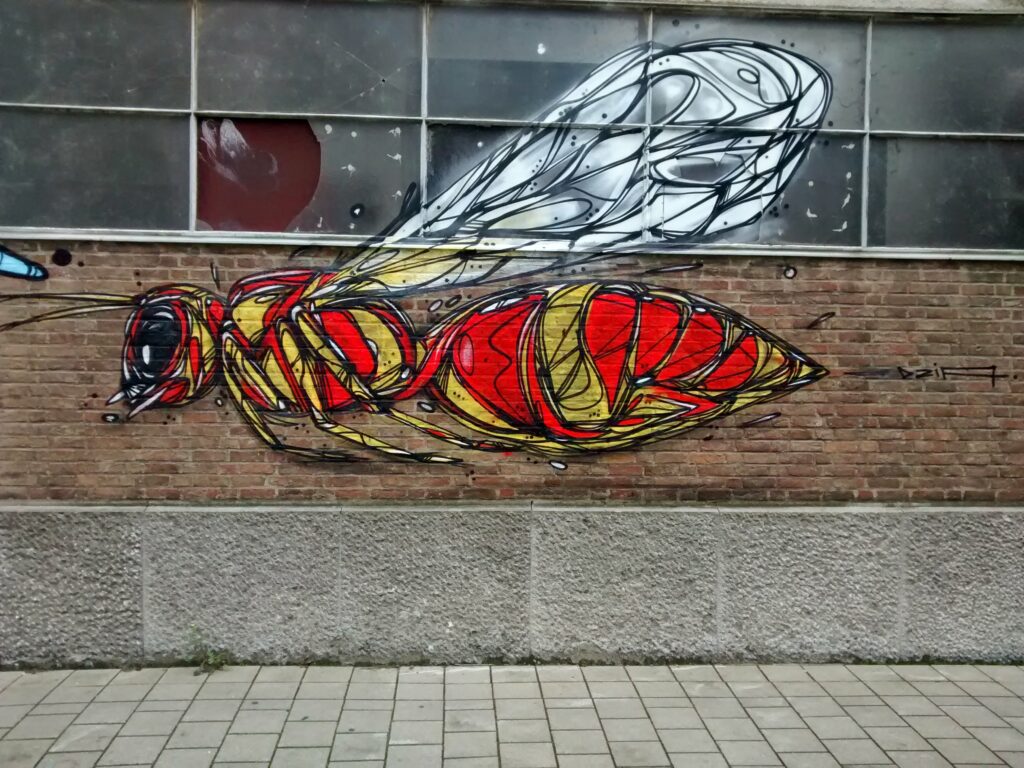
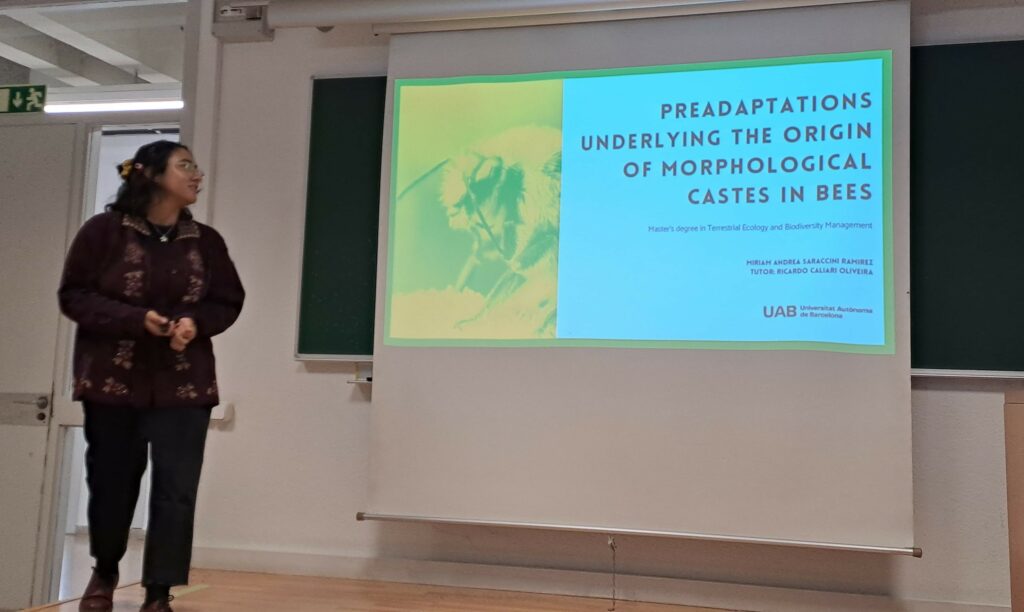
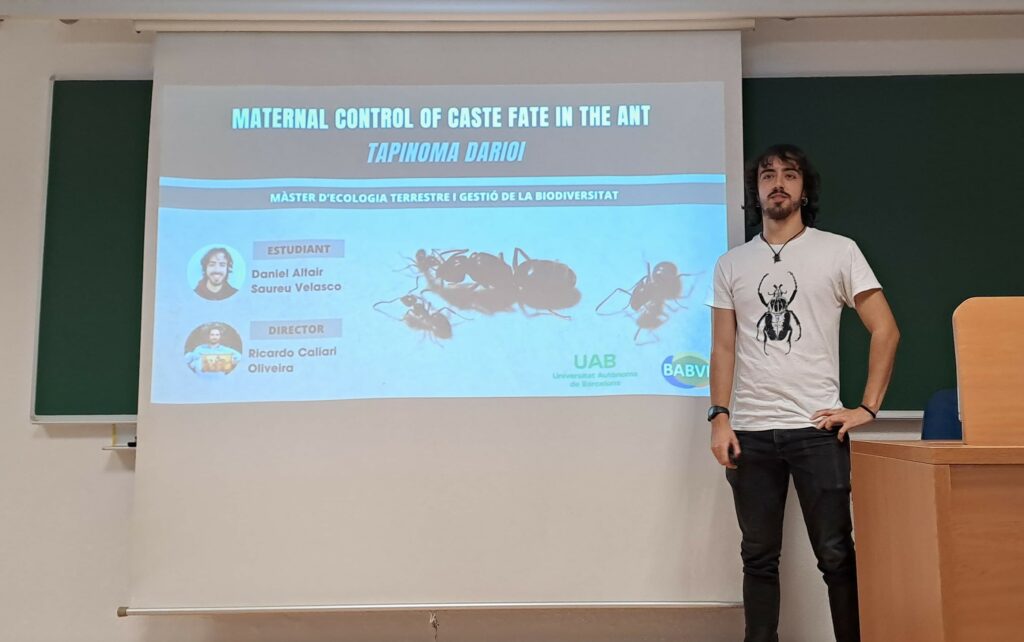
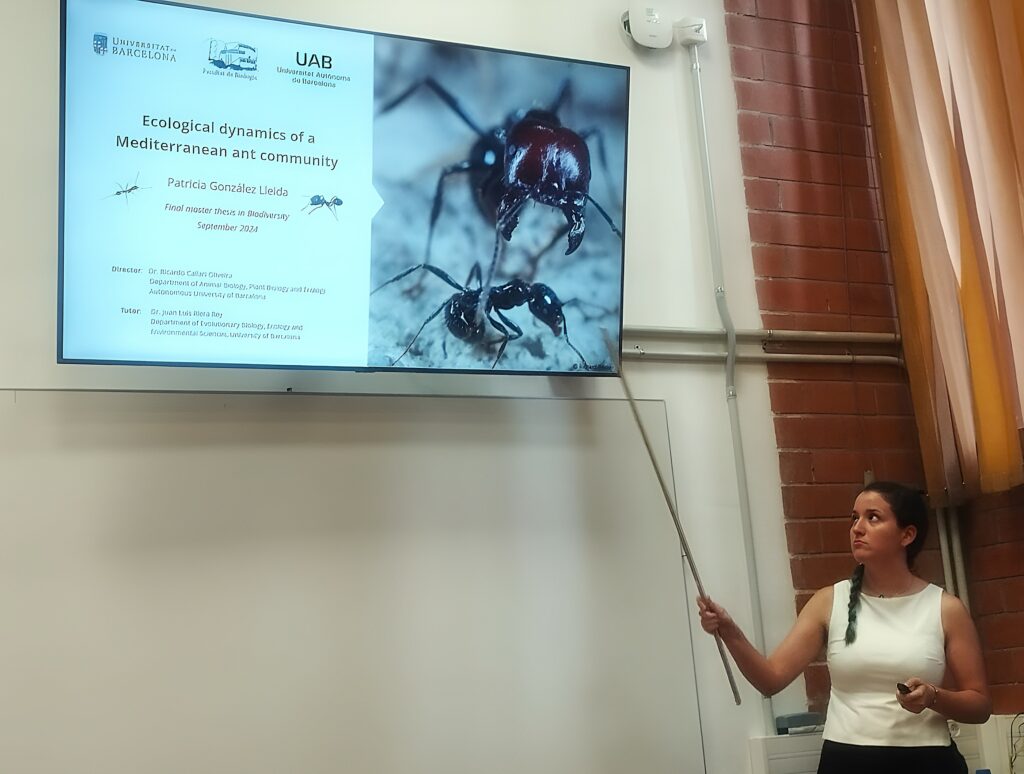
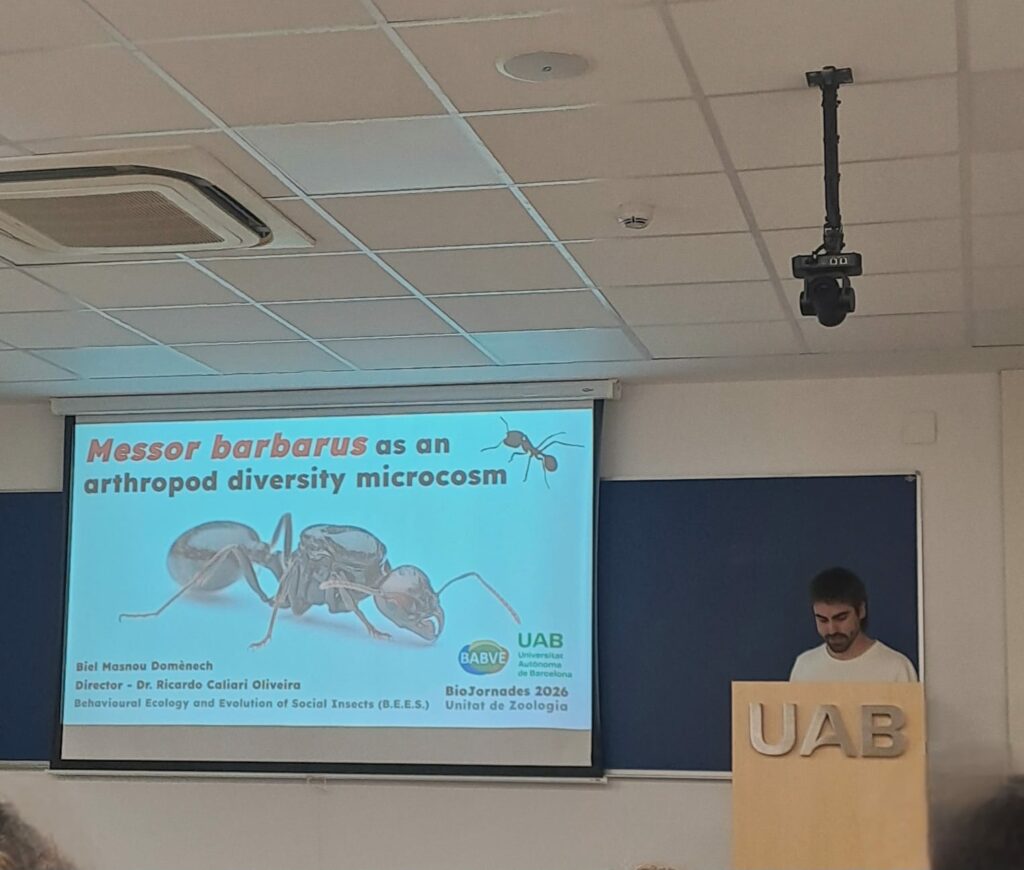
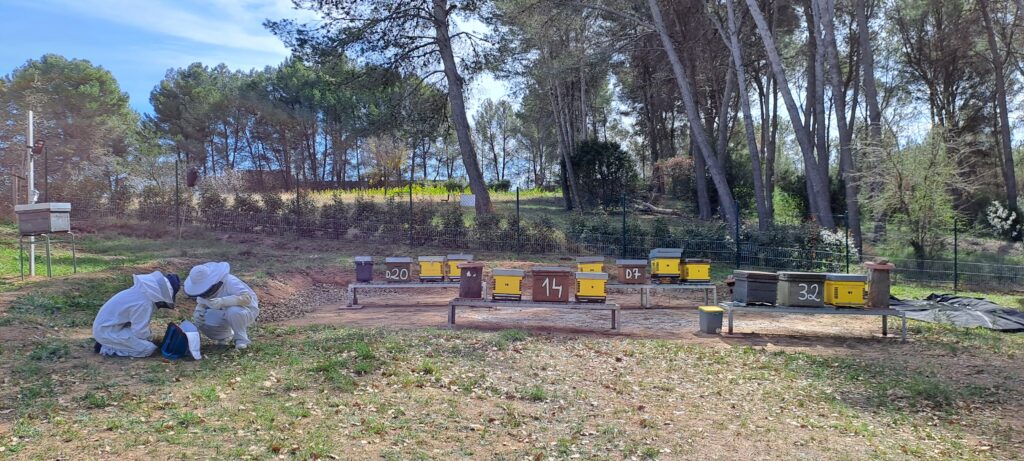
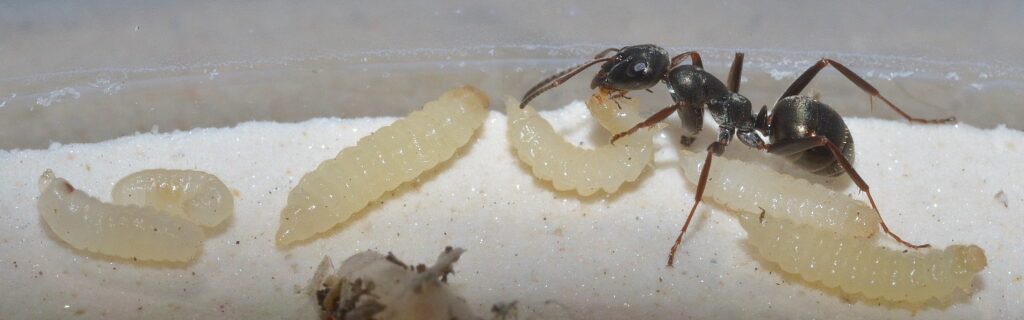
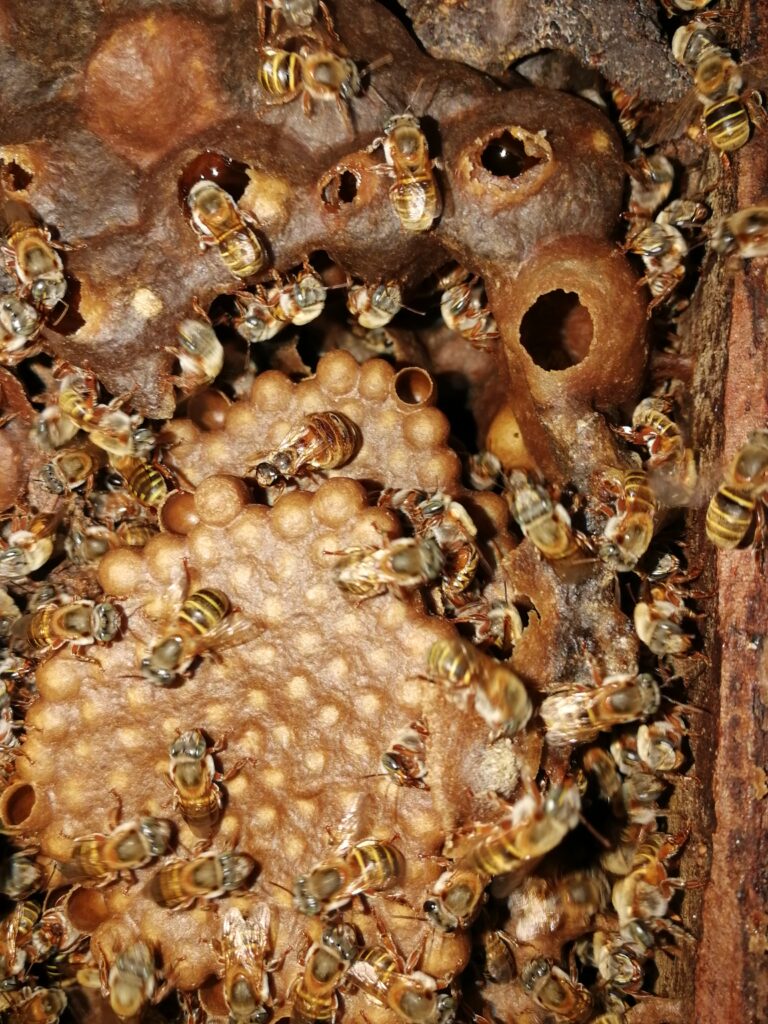
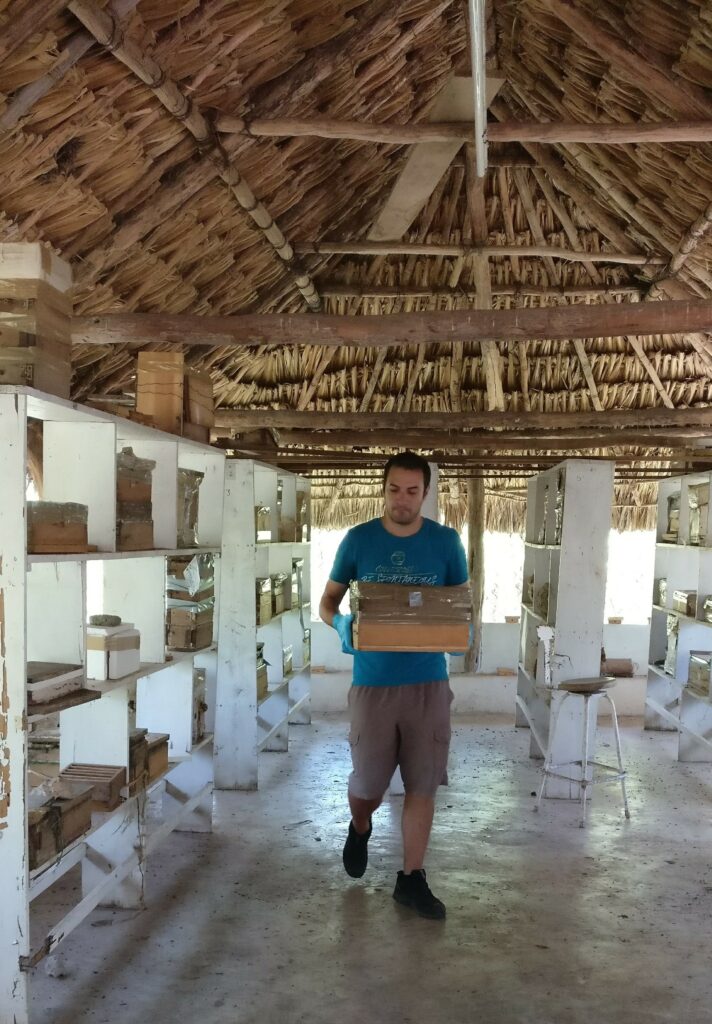
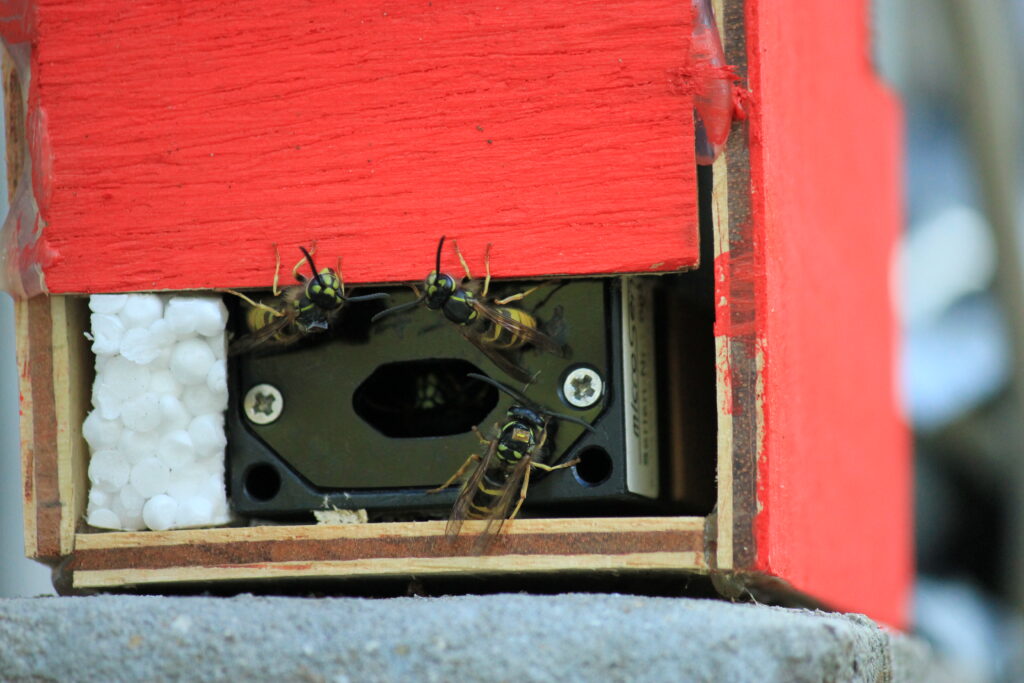
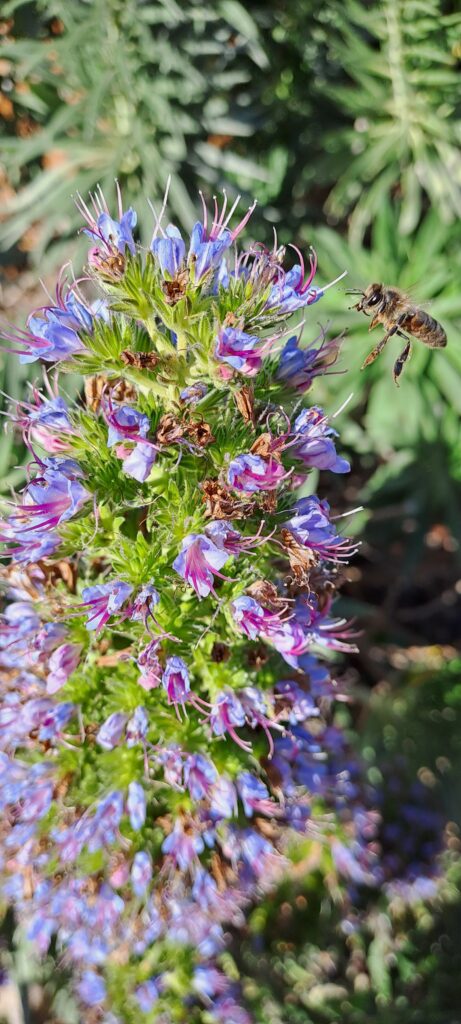
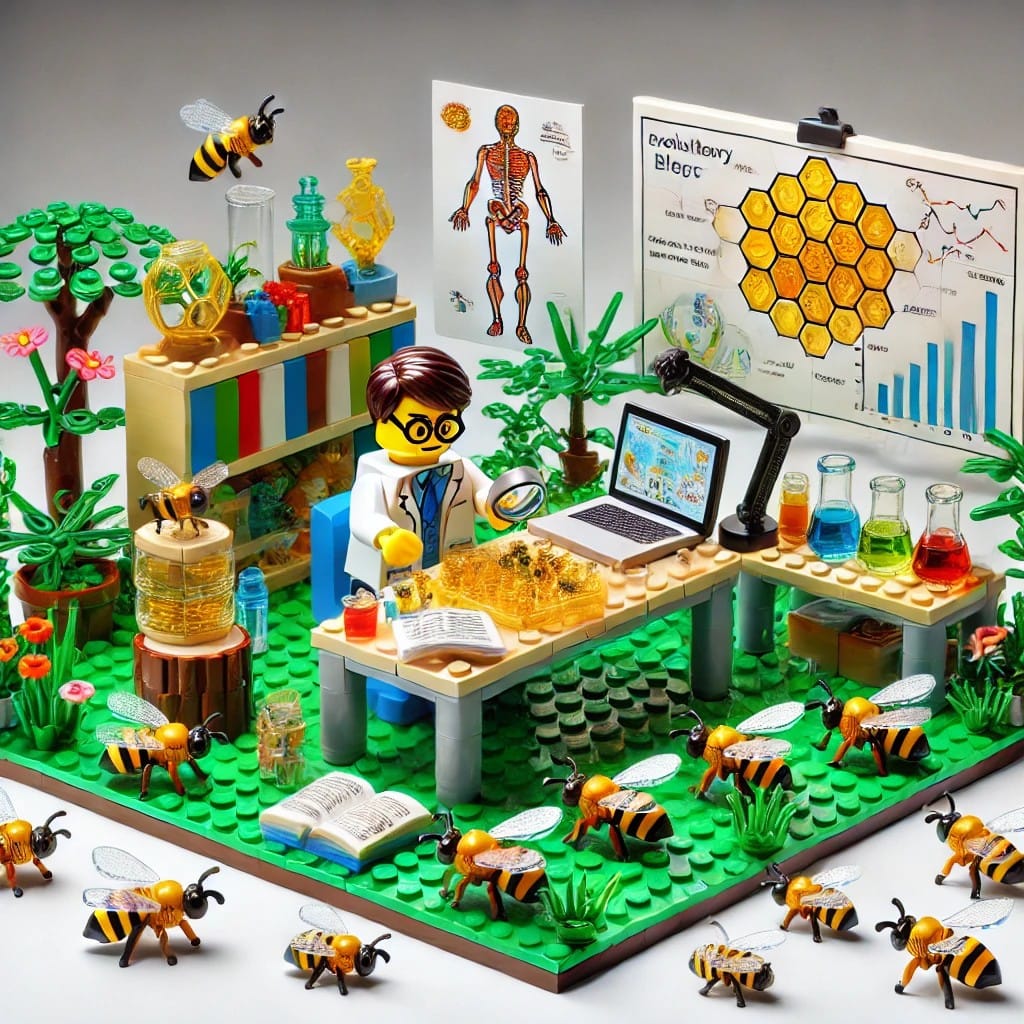
PhD student Daniel Saureu collecting insects at the UAB campusBombus terrestris foraging in sunflowerPolistes dominula paper waspDani Saureu at IUSSI 2026Side view of a Tapinoma darioi worker pupae.Stinger of a velvet ant. Despite their name, these insects are actually wasps, and their sting can be quite painfulA German wasp Vespula germanica queen emerging from hibernationStudents teaching arthropod diversity during the Bioblitz A mason bee Osmia cornuta searching a for a nestsite in early springThe love for arthropods in the classroomTapinoma darioi queen and workers. A slight size dimorphism is visible between the workers of this speciesCollecting Asian hornets in a space suit.A carpenter ant Camponotus sericeiventris from BrazilWorking with Melipona stingless bees in BrazilPractical of Animal Behaviour: associative learning in honeybees Uncapped Melipona beecheii stinglee bee brood from MexicoPhD student Viviana Di Pietro presenting her findings about the inheritance of nest architectures in stingless beesA Crematogaster ant nestPhD Defense Viviana Di Pietro, KU Leuven – BelgiumWasp graffitti in Leuven, BelgiumMaster student Miriam Ramírez presenting her MSc thesisMaster student Daniel Altair Velasco presenting his MSc thesisPatri presenting her Msc thesis on the Ecologycal Dynamics of Mediterranean AntsBiel Masnou presenting his MSc thesisDani and Patri sampling honeybeesLarvae of the parasitic rove beetle Lomechusa emarginata are preferentially cared by the wood ant Formica fusca workerNest of the Mexican stingless bee Melipona beecheiiRicardo doing experiments with Melipona stingless bees in the lab of Prof. Javier Quezada in MexicoWorkers of the common wasp Vespula vulgaris during an experiment with radio frequency identification tagsHoneybee foragingThis is how the lab looks like according to chatGPT