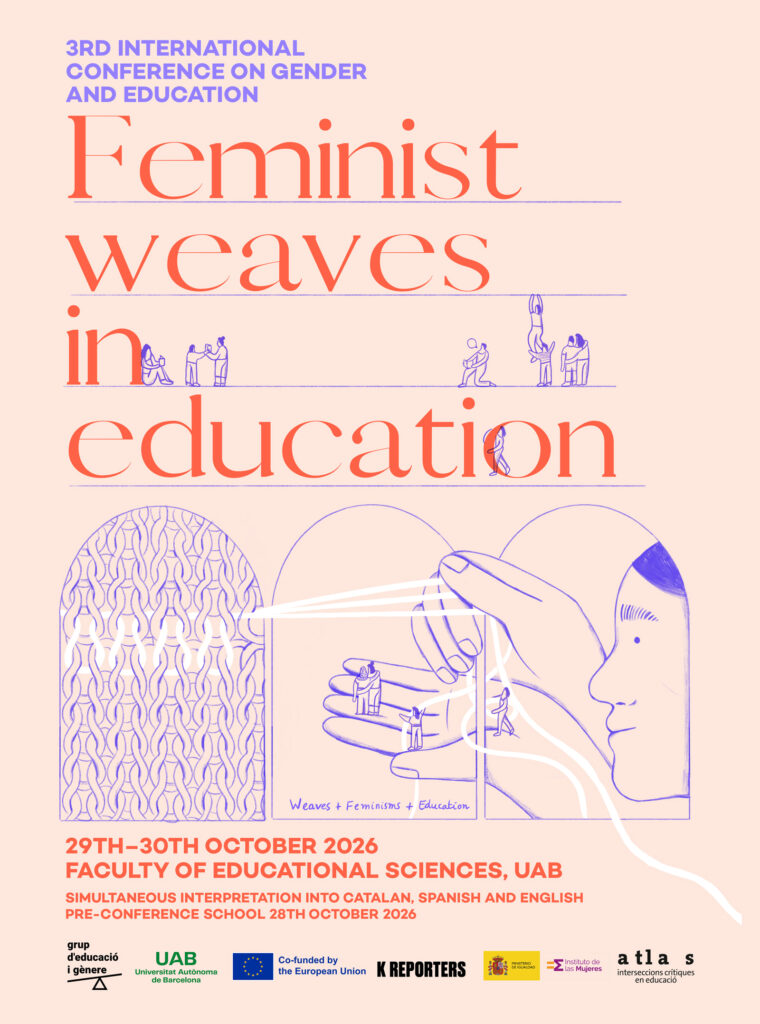
About the conference
In a global context marked by the rise of reactionary discourses, anti-gender offensives, the proliferation of multiple forms of structural violence, and ongoing attempts to depoliticize education, Feminist Weaves in Education brings together researchers, educators, students, activists, and socio-educational practitioners to collectively reflect on education as a key terrain of feminist struggle, resistance, and transformation. This conference is held as the 3rd International Conference of the Education and Gender Research Group (GEG), which continues to offer and foster a space for research, debate, and action committed to gender justice in education.
The metaphor of weaving structures the conference’s approach, evoking both the material practice of interlacing threads and the work of weaving/tramar relations, plots and stories across differences. It reflects a commitment to bringing diverse knowledges, practices and experiences into relation in order to challenge the androcentric, adult-centric, colonial and neoliberal epistemologies that have historically shaped educational systems. In this sense, weaving also names the feminist labour of devising and re-plotting (idear y volver a tramar) educational worlds otherwise.
From this perspective, Feminist Weaves in Education places at the centre the relationships between knowledge, power, and collective action, recognizing the epistemic agencies of children, young people, and education professionals, as well as embodied feminist pedagogies, together with bodies, affects, everyday experiences, public policies, and community practices as key sites for the production of knowledge, resistance, and educational transformation.
Feminist Weaves in Education is grounded in feminist, queer, intersectional, anti-racist, and decolonial traditions that understand knowledge as situated, plural, and contested. The conference is conceived as a space for encounter and dialogue to share research, experiences, and practices that, in formal and informal educational settings, contribute to building emancipatory knowledge ecologies, strengthening alliances, and imagining livable, inclusive, and radically democratic educational futures.
Commitee
Committee
Chair
Mireia Foradada Villar
Universitat Autònoma de Barcelona
Organising Committee
Ingrid Agud Morell
Universitat Autònoma de Barcelona
Angelina Sánchez Martí
Universitat Autònoma de Barcelona
Mauro Carlos Moschetti Plaul
Universitat Autònoma de Barcelona
Alejandro Caravaca Hernández
Universitat Autònoma de Barcelona
Berta Llos Casadella
Universitat Autònoma de Barcelona
Xènia Gavaldà Elias
Universitat Autònoma de Barcelona
Úrsula Celedón Bravo
Universitat Autònoma de Barcelona
Maria Taddia
Universitat Autònoma de Barcelona
Pamela Merril Silva
Universitat Autònoma de Barcelona
Estrella Natalia Moya González
Universitat Autònoma de Barcelona
Julio Rodríguez Rodríguez
Universitat de Barcelona
Sílvia Aldavert Garcia
L’Associació de Drets Sexuals i Reproductius
Scientific Committee
Ingrid Agud Morell
Universitat Autònoma de Barcelona
Angelina Sánchez Martí
Universitat Autònoma de Barcelona
Mauro Carlos Moschetti Plaul
Universitat Autònoma de Barcelona
Alejandro Caravaca Hernández
Universitat Autònoma de Barcelona
Berta Llos Casadella
Universitat Autònoma de Barcelona
Xènia Gavaldà Elias
Universitat Autònoma de Barcelona
Úrsula Celedón Bravo
Universitat Autònoma de Barcelona
Maria Taddia
Universitat Autònoma de Barcelona
Pamela Merril Silva
Universitat Autònoma de Barcelona
Estrella Natalia Moya González
Universitat Autònoma de Barcelona
Julio Rodríguez Rodríguez
Universitat de Barcelona
Sílvia Aldavert Garcia
L’Associació de Drets Sexuals i Reproductius
Bruna Alvarez Mora
Universitat Autònoma de Barcelona
Montserrat Rifá Valls
Universitat Autònoma de Barcelona
Estel Malgosa Gasol
Universitat Autònoma de Barcelona
Ainoa Mateos Inchaurrondo
Universitat de Barcelona
María Pilar Parra Contreras
Universidad Complutense de Madrid
Mónica López López
University of Groningen
Speakers
Speakers
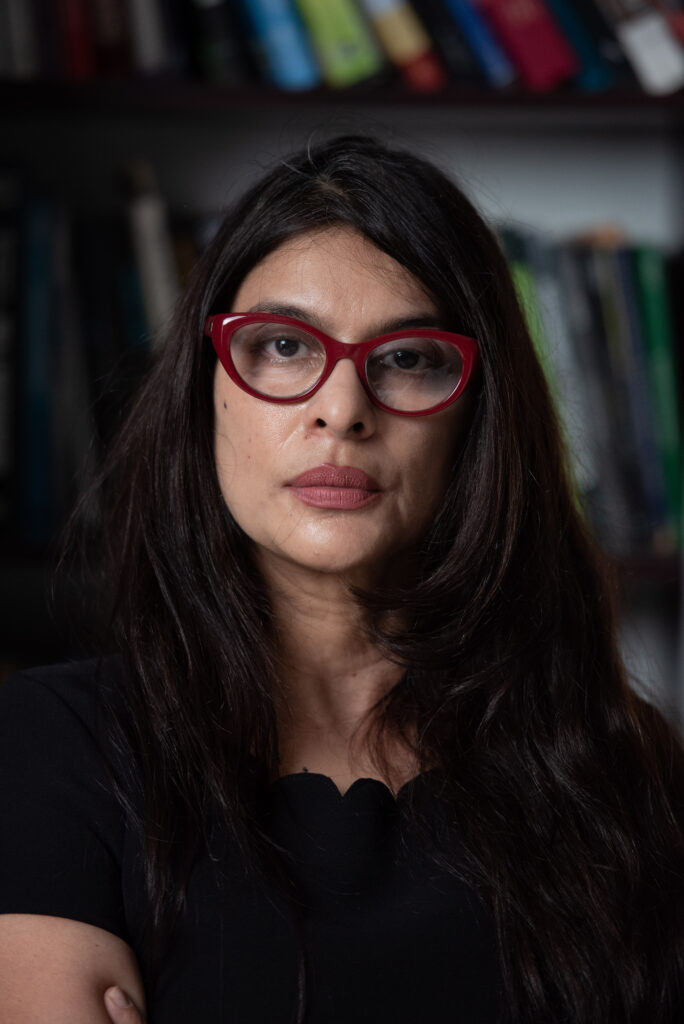
Deevia Bhana
Deevia Bhana (PhD) holds the South African Research Chair in Gender and Childhood Sexuality at the University of KwaZulu-Natal. Her research examines how gender and sexuality come to matter across the young life course, advancing equitable, young person-affirming approaches to gender, masculinity, sexuality and education. She is one of the founding members of the Global South Childhood Studies Network, has served as advisory member of UNESCO’s sexuality education programme, and was recently a moderator in the G20 ‘Education for Gender Equality and Peace: Advancing Gender Transformative Education for all’. She has authored 15 books, five are sole-authored and over 200 peer reviewed publications.
Ann Phoenix
Ann Phoenix is Professor of Psychosocial studies at the Thomas Coram Research Unit, Social Research Institute, UCL Institute of Education and a Fellow of the British Academy and the Academy of Social Sciences. She is a trustee of the Nuffield Foundation and Chair of the Holberg Prize committee. Her research is about the ways in which psychological experiences and social processes are linked and intersectional. It includes work on racialised and gendered identities, mixed-parentage, masculinities, consumption, motherhood, migration and transnational families. It draws on mixed methods and includes narrative approaches. Recent books include Researching Family Narratives (with Julia Brannen, Corinne Squire and the Novella project research team) SAGE, 2020, and Nuancing Young Masculinities (with Marja Peltola), 2022, Helsinki University Press.
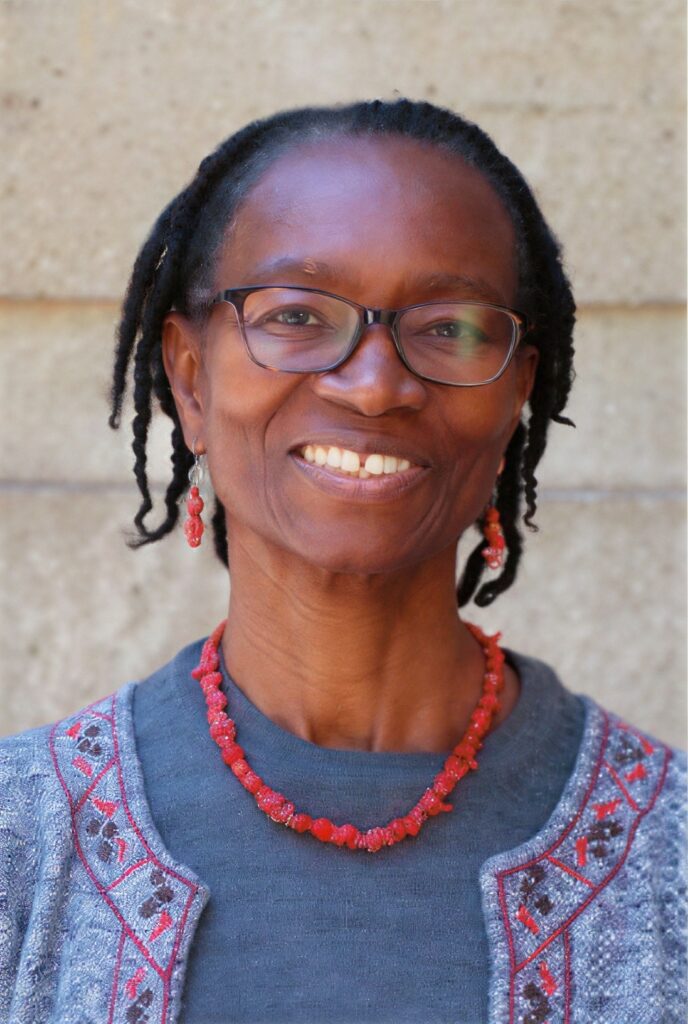

Maria Rodó-Zarate
Maria Rodó-Zárate is associate professor at the Political and Social Sciences Department at Pompeu Fabra University. She is graduated in Political Sciences (UAB), Master in Women, Gender and Citizenship Studies (UB) and PhD in Geography (UAB). Her research focuses on the study of social inequalities from an intersectional, spatial and emotional perspective. She is currently leading the project INTERMAPS on social inequalities in everyday life and coordinates the research on the effects of anti-gender discourses within the RESIST project. She is the coordinator of the Research Group on Gender and Inequalities (GRETA) at UPF.
Mónica López López
Mónica López López is Professor at the University of Groningen and Director of the Equity and Social Justice Research Centre (@equity.childwelfare). Her work is grounded in feminist and intersectional perspectives, and centers on understanding how gender, sexual orientation, race, class, migration status, and other social positions shape children’s experiences and outcomes within child protection systems. She is deeply committed to using participatory and critical research methods to co-produce knowledge with children and youth.

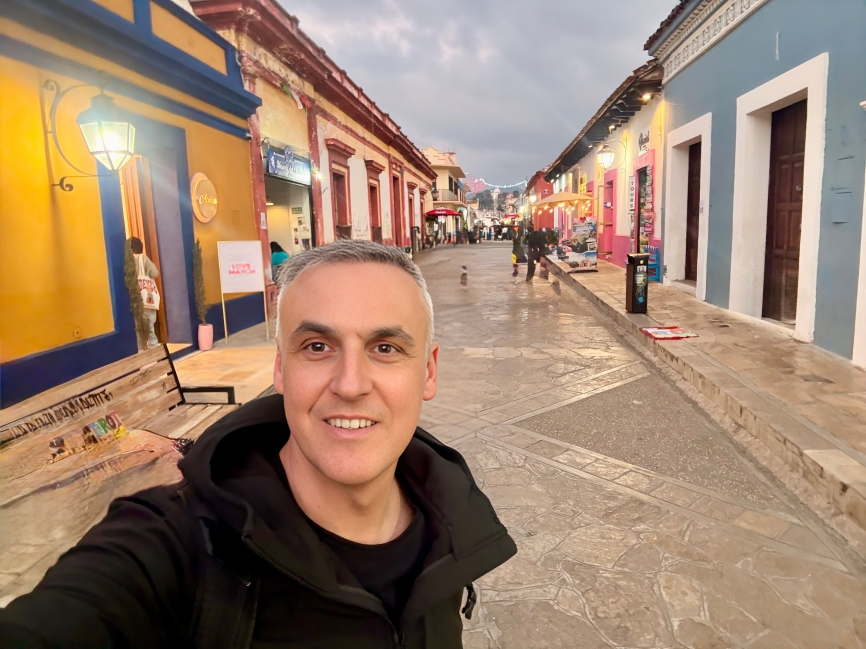
José Antonio Langarita Adiego
José Antonio Langarita Adiego is Associate Professor of Social Work at the University of Girona. His research trajectory has focused on sexual and gender diversity from a social and cultural constructivist perspective. In this regard, LGTBIQ+ children and adolescents have been one of his main lines of research in recent years, especially through an adult‑centric critique of sexuality and gender, as well as of sex‑gender policies concerning childhood and adolescence. He is currently the international coordinator of the CLICK project, which examines the synergies between LGBTIQ+ children, educational centres, and rainbow families, with the participation of six European Union countries.
Alejandro Caravaca Hernández
Alejandro Caravaca Hernández is a lecturer at the UAB. His research focuses on the intersection of critical education policy, comparative and international education, and gender studies, with an emphasis on social justice and (anti)feminist discourses in education. He is a member of the Grup d’Educació i Gènere, the ATLAS research group (critical intersections in education), and the GEPS group (globalisation, education, and social policies) at the UAB. He is currently co‑leading a project on masculinities in secondary education and collaborates continuously on research related to gender perspectives and feminisms in educational contexts.


Berta Llos Casadellà
Berta Llos Casadellà is a predoctoral researcher at the UAB. Her research focuses on gender relations in secondary schools, explored through participatory methodologies with teachers and students. She is a member of the Grup d’Educació i Gènere, the ATLAS research group (critical intersections in education), and the GEPS group (globalisation, education, and social policies) at the UAB. She is currently co‑leading a project on masculinities in secondary education and collaborates continuously on research related to gender perspectives and feminisms in educational contexts.
Jordi Bonet i Martí
Jordi Bonet i Martí is Associate Professor of Sociology at the University of Barcelona and a researcher in the recognised research group Cópolis. Community, Well‑being and Social Control. His research trajectory has focused on the study of social movements, antifeminist and anti‑gender resistances, masculinities, and public policies from a critical and intersectional perspective. He has conducted research on the transformations of contemporary reactionary discourses, social inequalities, youth political participation, and gender‑based violence, combining quantitative, qualitative, and mixed methods. He has also led a European project on digital gender‑based violence. His current research delves into the analysis of neoliberalism’s transformations and its articulation with reactionary movements, as well as the relationship between gender, power, and inequality.
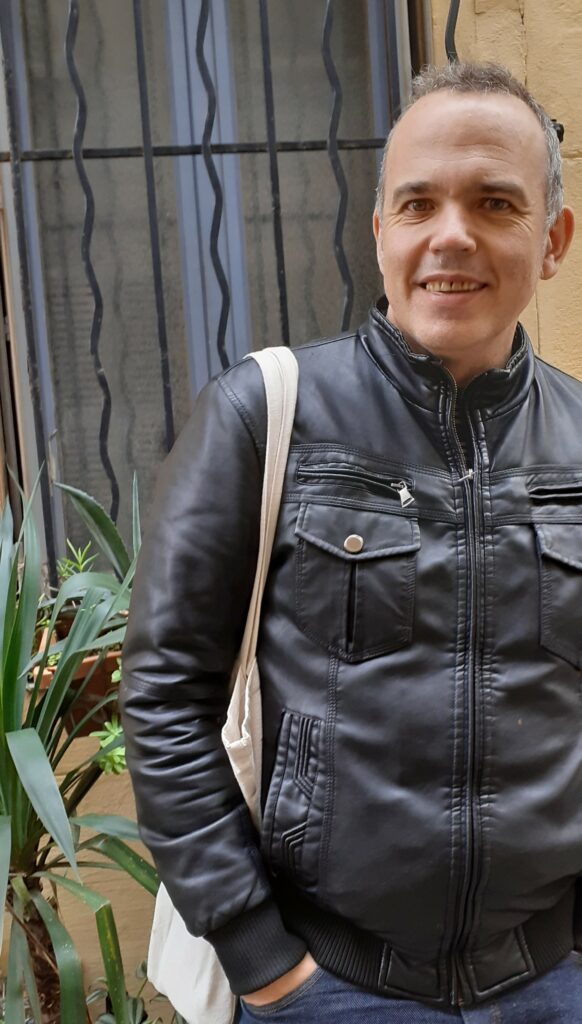
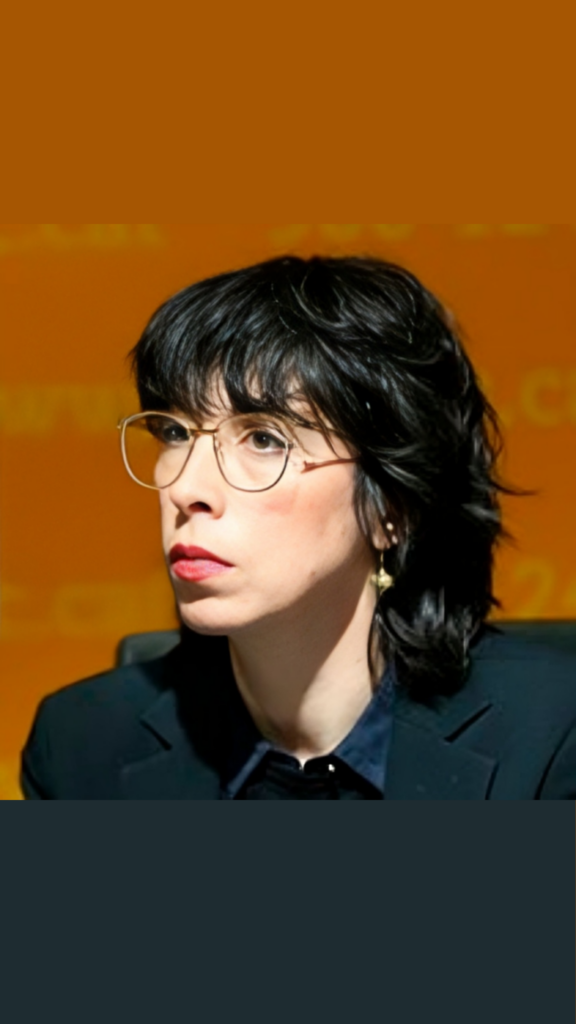
Aida C. Rodríguez
Aida C. Rodríguez has served as the Deputy for the Defence of the Rights of Children and Adolescents at the Síndic de Greuges since April 2023. In this role, she supports the Ombudsperson and exercises delegated responsibilities in safeguarding children’s rights within the framework of the UN Convention on the Rights of the Child. She previously held the position of Director of the institution’s Social Rights Department. She holds a PhD in Education Sciences, a degree in Philosophy, and a Master’s in Citizenship and Human Rights. Her doctoral dissertation on restorative justice—awarded the ADR Justícia Prize in 2022—reflects an academic trajectory focused on human rights, ethics, education, and the penal system. She has worked as a university lecturer and researcher, participating in research groups and advanced training programmes.
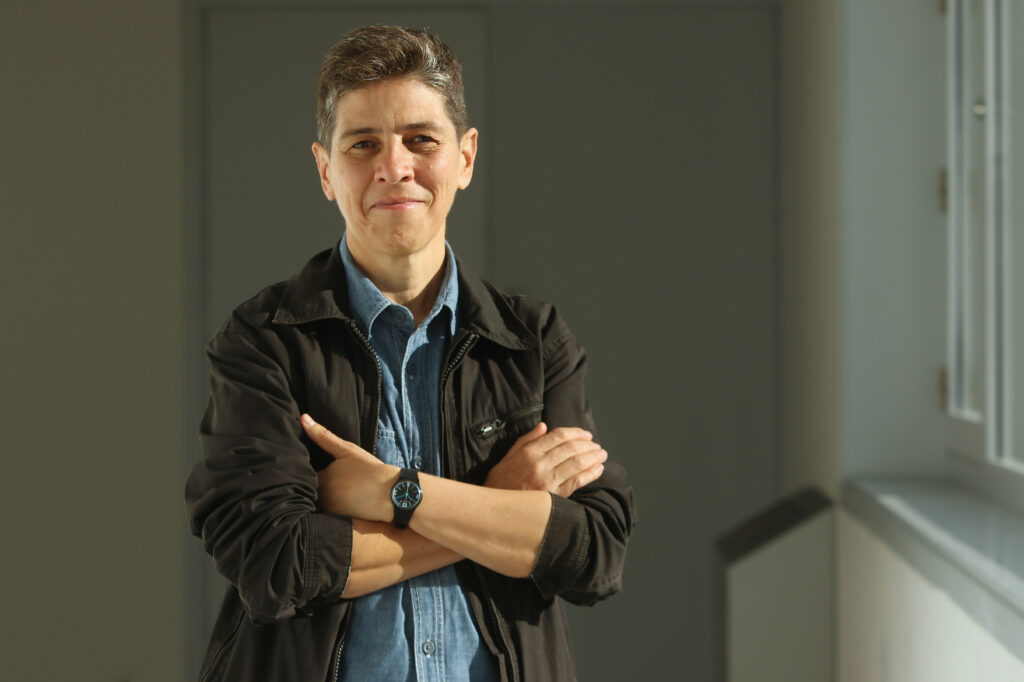
Lucas Platero Méndez
Lucas Platero serves as Associate Professor in Social Psychology at the Rey Juan Carlos University (URJC), and as the Director of University Publications at Bellaterra Publishing House. In 2020, Platero was awarded the Emma Goldman Prize supporting new feminist knowledge in Europe. Platero leads a team of researchers at the URJC that make part of the European funded project CLICK, focusing on the experience of LGBTQA+, rainbow families and teachers.
Strands
STRAND 1. Children’s Epistemic Agencies: Situated Knowledges on Gender and Sexuality
This strand aims to recognise children’s capacity to produce knowledge about gender and sexuality, highlighting children’s potential to generate situated knowledges that can educate and challenge the adult world. It invites non‑adult‑centred research and experiences that understand children as epistemic subjects capable of producing, interpreting, and transforming meanings and practices related to gender and sexualities. The strand seeks to question the centrality of androcentric, adult‑centric, and colonial epistemologies that have established which knowledges are considered legitimate and who can be recognised as a producer of knowledge. It focuses on the epistemic violence that occurs when children’s capacity to produce knowledge about the social world is denied or rendered invisible, and on how this exclusion, rooted in an adult‑centric logic that associates childhood with innocence and ignorance, operates as a strategy for maintaining social order and perpetuating dominant gender norms.
Children are understood not merely as receivers of adult discourses, but as producers of embodied, situated, and relational knowledges that emerge from play, bodies, affects, technologies, community practices, and every day experiences. This perspective reclaims the transformative potential of situated knowledges conceptualised by feminist by feminist and decolonial epistemologies. It therefore asserts the need to recognise and listen to the knowledges that children develop from their own experiences, acknowledging their discursive, relational, and material dimensions as an essential condition for meaningful and transformative gender and sexuality education.
This strand is in dialogue with feminist and decolonial commitments to situated knowledges and epistemic disobedience, understanding that recognising children as epistemic subjects in relation to gender and sexualities entails a challenge to adult authority over knowledge. It also requires opening space for embodied, relational, and collective forms of knowledge. From this perspective, the practices, languages, and effects through which girls, boys and non-binary children make sense of their sex-gender experiences can be understood as acts of epistemic resistance against androcentric, adult-centric, and colonial regimes that define what childhood is, which bodies are possible, and which desires can be named.
Within this framework, gender and sexuality education is conceived as a terrain for the co-construction of knowledge, where children’s voices, far from being an anecdotal complement, destabilise universal criteria of validation, reconfigure imaginaries, and contribute to the creation of more plural, just, resistant, and emancipatory ecologies of knowledge.
Submissions may address, but are not limited to, the following themes:
- Critical epistemologies and feminist, queer, decolonial, and intersectional perspectives on education and childhood.
- Situated knowledges and embodied knowledge produced by girls, boys, and non‑binary children about gender and sexualities.
- Theoretical and historical perspectives that question androcentric, colonial, and adult‑centric traditions in education, specifically in gender and sexuality education, and the forms of epistemic violence directed at children in this area.
- Bodies, affects, play, and materialities as territories of children’s epistemic agency.
- Everyday practices of resistance, micropolitics, and children’s disobedience in the face of gender and sexuality norms and systems of control and regulation (normalisation).
- Educational imaginaries, futures, and utopias driven by children: epistemic justice, possible worlds, and ecologies of knowledge.
STRAND 2. Politics, Policies and Intersectional Justice in Education
This strand invites critical engagement with the theory, politics, and practical application of intersectionality as an essential analytical framework for achieving profound and sustainable gender equality and social justice within and through educational policy.
Traditional educational policies often fall short because they adopt a single-axis approach, focusing on isolated social divisions, thereby failing to address the complexities of people’s lived realities and leading to ineffective solutions. Against this backdrop, intersectionality serves as a robust analytical tool for exposing the interlocking structural systems of dominance and subordination—such as racism, sexism, classism, heterosexism, ableism, and cisgenderism—which operate not as unitary, mutually exclusive entities but as reciprocally constructing phenomena. The intersectionality framework calls for moving beyond the measurement of gender parity alone to achieve genuine gender justice by confronting deeply entrenched structural inequities, paying particular attention to the subjective and relational domains of gender and the politics of gender identity and expression. It emphasizes strategies for institutional transformation that address the structural causes of gender and sexual hierarchies, ensuring inclusive change that is deep and sustained.
This strand embraces the understanding that intersectionality is fundamentally a project of praxis (action and reflection), dedicated to transformation and building coalitions among different groups to pursue gender equality and social justice. We thus welcome submissions, encompassing theoretical, conceptual, methodological, and empirical approaches, from scholars, practitioners, activists, social movement organizers, and NGOs. We particularly encourage submissions that connect academic inquiry with on-the-ground practice, advancing analyses that illuminate experiences of marginalization, avoiding paternalistic and deficit-oriented positions, and also contribute to identifying and informing strategies for structural change.
Submissions may address, but are not limited to, the following themes:
- Analyzing gender justice in education through multi-dimensional frameworks, drawing on political, economic, and cultural framings.
- Applying frameworks such as Intersectionality-Based Policy Analysis (IBPA) or the Multi-Strand Approach to evaluate educational policies and identify implicit assumptions and biases.
- Research on how discursive intersectionality operates in educational environments, analyzing the language used in policy or practice that justifies inequality and exclusion.
- Critical analyses of policy enactment processes and the politics of implementation in education institutions.
- Analysis of how education institutions reproduce oppression through gendered norms and how the logic of appropriateness within political institutions disadvantages women and gender/sexual minorities.
- Examining how state institutions, international organizations (e.g., UN, NGOs), or educational governance mechanisms address—or fail to address—intersectional demands.
- Analysis of accountability regimes and indicators necessary to monitor and sustain inclusive gender equality in education.
- Designing and evaluating “joined up policies” that link education reform with other structural issues, such as health, housing, or economic development, in ways that tackle intersecting forms of gender inequality.
- Comparative analyses of how policies address intersectional inequalities across different national or regional contexts (e.g., Global South perspectives).
- Analyses of educator and practitioner agency in negotiating intersectional demands within hierarchical structures.
- Research on the institutionalization of intersectionality and the attendant risks of co-optation, depoliticization, or superficial/additive application in policy settings.
- Analyses of the challenges and opportunities for cross-movement politics, coalition building, and alliance formation across intersecting inequalities, focusing on shared interests rather than just identities.
- Case studies of how grassroots movements, advocacy networks, and NGOs carry out political action and build alliances to destabilize hierarchies of power and promote social change in education.
- Strategies used by practitioners and activists (e.g., Affirmative Advocacy) to overcome entrenched biases and ensure that organizations effectively represent intersectionally disadvantaged subgroups.
- The application of Participatory Action Research (PAR) and similar approaches to incorporate stakeholders’ experiential knowledge in framing educational problems and solutions for social change.
- Innovative methodological directions for empirically capturing intersectional complexity, including the use of Fuzzy-Set Qualitative Comparative Analysis (fsQCA).
- Methodological challenges associated with data collection, measurement, and statistical analysis of intersecting social markers.
STRAND 3. Pedagogies, Experiences and Embodied Intervention: Feminist Practices for Educational Transformation
“Putting your body on the line” is a political and pedagogical act. Placing the body, emotions, affects, practices, and embodied ways of knowing at the centre is a commitment to revealing the relationship between theory and everyday life (Baez & Sardi, 2024). In educational spaces, inside and outside of school, we do not bring only ideas, we also bring the materiality of our bodies, with their histories, desires, and vulnerabilities. This strand seeks to explore how feminist pedagogies, by embodying the maxim that “the personal is pedagogical” (flores, 2022), challenge and transform educational practices.
Education can function as a mechanism of social reproduction or, conversely, as a driver of transformation through committed pedagogical practices in which students and teachers share their experiences and empower one another through this encounter (hooks, 1994). This strand is therefore conceived as a space for meeting, discussion, and collective knowledge production to imagine and put transformative educational experiences into practice. Learning shapes the world, and the learning experience is embedded with social, political, economic, labour, and cultural forces that are in tension (Garcés, 2020).
We are interested in exploring how feminist pedagogies, in all their diversity, take embodied form through concrete experiences and materialise in interventions inside and outside the classroom. We seek to go beyond theory by placing practices, bodies, affects, and the territories where educational experience occurs at the centre. For this reason, we seek research and lived experiences that explore feminist, Black, queer, crip, and decolonial pedagogies as frameworks for rethinking contemporary education. We welcome research, programs, and projects that interrogate how teaching, learning, and intervention take place in educational spaces, both formal and informal, from critical and transformative perspectives.
We conceive this space as a place of encounter, discussion, and creation among teachers, students, activists, technical and policy practitioners, and anyone connected to the educational world, in order to imagine and put into practice transformative educational experiences. We invite submissions of work, research, and experience-based narratives that explore these questions, prioritizing practices, affects, and the territories where change occurs. We seek innovative educational experiences, programmes, and projects that challenge traditional ways of teaching, learning, and evaluating.
Submissions may address, but are not limited to, the following themes:
- Feminist epistemologies in action: feminist, black, queer, crip, and decolonial pedagogical practices (innovation, evaluation, and pedagogical transformation: experiences, programs, and educational projects that challenge traditional ways of teaching, learning, and evaluating).
- Comprehensive Sexuality Education and emancipatory practices: experiences related to the (un)learning of sexuality, politics of desire, eroticisation of pedagogical practice, and pedagogies of pleasure.
- Queer and transgressive practices and pedagogies: educational experiences that question binaries, make LGTBIQ+ identities visible, and promote sexual and gender diversity in the classroom.
- Narratives and analyses of educational trajectories through a gender lens: non‑adult‑centric student experiences that reveal inequalities, resistances, and transformations related to identity, sexuality, and gender norms.
- Student voice and experience: narratives and analyses of educational trajectories from the perspective of learners.
- Curriculum and educational policies from a feminist perspective: experiences implementing curricular knowledge and policies from a feminist critical lens (e.g., designing learning situations, transforming teaching materials, etc.).
- Artistic, cultural, and performative devices for a new pedagogy: artistic, digital, and transmedia productions as new pedagogical approaches.
- Body, territory, and embodied knowledges: ecofeminisms, antimilitarisms, and education in contexts of conflict and authoritarianism.
- Socio‑educational intervention from a feminist perspective: methodologies, projects, and intervention programmes in formal and informal educational contexts grounded in critical feminist perspectives.
STRAND 4. Educational Violence and Exclusion in the Current Context: Conservative Backlash and Hate Speech
This strand focuses on the forms of violence and exclusion that permeate educational spaces, understood broadly to include schools, secondary schools, universities, socio‑educational institutions, and digital platforms. These forms of violence and exclusion are understood through an intersectional approach (Barjola et al., 2021; Cruz Vadillo, Santana Valencia & Iturbide Fernández, 2022; Hughes, 2020). These mechanisms operate across multiple dimensions, manifesting as symbolic and structural violence, as well as physical, psychological (Hughes, 2020), and epistemic violence (Spivak, 2009). They also appear in the sexist microphysics of power (Barjola, 2024; Foucault, 1977) that operates across different educational spaces and institutions, and in the hidden curriculum shaped by capitalist, patriarchal, and colonial logics.
Today, we find ourselves in a social context marked by the rise of conservative discourses and the proliferation of hate speech (FELGTBI+, 2024; Minuesa et al., 2024). Thus, within this context, educational institutions, both formal and informal, as well as digital environments, are (re)configured as devices where various forms of violence, invisibilisation, and exclusion are reproduced and amplified, and where hegemonic masculinities and gendered and racialised normative configurations are perpetuated. In this context, shaped by the persistence of capitalist, patriarchal, and racial structures, we are witnessing an erosion of gender capital in education (Foradada‑Villar, 2024, 2025), which limits the resources and discourses necessary for constructing free gender identities within educational institutions and socio‑educational communities.
Drawing on the concept of gender capital as a theoretical framework (Foradada‑Villar, 2024), this strand aims to analyse how symbolic, discursive, and material forms of violence and vulnerability are distributed and operate across formal and informal educational spaces, as well as digital ones. It seeks to examine the mechanisms through which discourses and practices that reproduce violence and exclusion undermine gender capital and consolidate discriminatory practices, both subtle and overt, that hinder the implementation of approaches grounded in social justice, inclusion, and the right for individuals to live free from violence. Likewise, this strand positions itself as an interdisciplinary space oriented towards identifying lines of flight that enable the development of pedagogical, institutional, and community‑based strategies and forms of resistance. From a situated perspective, it aims to foster counter‑hegemonic productions that promote community wellbeing and new forms of subjectivity (children, adolescents, and education professionals). Finally, it will explore the complexity of gender capital, paying particular attention to the collision between patriarchal, ambivalent, and feminist forms of gender capital in socio‑educational spaces. The focus will be on how these tensions persist even in the face of institutional efforts to build environments free from gender‑based violence through an intersectional lens.
Accordingly, we invite submissions of research, experiences, and proposals situated in socio‑educational contexts that address, among others, the following themes:
Far-right radicalization and rights regression in diverse socio‑educational contexts: the influence of social media and digital student environments, the spread of reactionary models of masculinity and femininity (manosphere, tradwife culture, etc.), repression, mediatisation, and partisan use of educational and curricular content to normalise violence.
- Discursive and institutional practices that harm specific groups, and manifestations of the micropolitics of sexist power that exclude and heighten vulnerability (TERFism, whorephobia, and gendered Islamophobia).
- Racism and gender‑based violence: institutional racism in schooling processes and access to (socio‑)educational rights for children, youth, and/or students; microaggressions and racial dynamics in socio‑educational spaces.
- Violence in sexual‑affective and peer relationships: gender‑, orientation‑, and expression‑based aggression, coercion, and bullying within educational centres, digital violence and harassment campaigns (doxxing, non‑consensual image sharing, cyberbullying, and disinformation).
- Institutional violence based on orientation, bodies, and identities: LGBTIQ‑phobia, fatphobia, violence against students with disabilities, pathologisation and invisibilisation of neurodivergence, and other forms of bodily and identity‑based violence in educational environments.
- Meritocracy, neoliberalism, and educational exclusion: how discourses of competition, performance, and “excellence” reproduce mechanisms of exclusion, oppression, and structural discrimination that disproportionately affect historically marginalized groups (LGBTIQ+ people, girls, non‑binary children and youth, racialized communities, and people with disabilities).
- Institutional violence in socio‑educational settings: analysis of punitive practices and alternative anti‑police, anti‑punitive, and non‑disciplinary possibilities within socio‑educational institutions.
- Resistance and strengthening of gender capital: creation and articulation of networks that reproduce and strengthen feminist gender capital at cognitive, social, and material levels, through concrete resources that support the flow of relationships and the production of community wellbeing (in contrast with individual, community, and institutional strategies that perpetuate patriarchal gender capital).
STRAND 5. Weaving Feminist Solidarity and Resistance: Activism and Social Movements in Education
This strand proposes a space to analyse and make visible the forms of solidarity, resistance, and activism that unfold in the educational sphere in response to the rise of anti‑gender, anti‑feminist, and other regressive movements seeking to erode rights and policies related to equality, diversity, and inclusion. We understand education as a field of struggle that extends beyond the boundaries of the school and reaches neighbourhoods, towns, and communities, where collective practices become essential for sustaining critical, inclusive, and transformative education (Elwell & Buchanan, 2021; Cerva Cerna, 2020; Korolczuk, 2020).
This strand is particularly—though not exclusively—interested in the dynamics of collective action that emerge in formal and informal educational contexts, including popular education and counter‑cultural projects, community spaces, transmedia initiatives, educational cyberfeminism, family collectives, and grassroots organisations that articulate responses to censorship, criminalisation, and the precarisation of education. From activist networks and social movements to community‑based initiatives, we aim to explore how these forms of resistance build intersectional alliances, generate critical pedagogies, and mobilise repertoires of political action to counter hate narratives and ensure educational spaces grounded in social justice, care, and inclusion for all learners, both inside and outside educational institutions.
Submissions may address, but are not limited to, the following themes:
- Forms of educational activism and social movements: strategies to defend Comprehensive Sexuality Education (CSE), LGTBIQ+ inclusion, and feminist perspectives in curricula and pedagogical practices.
- Intersectional solidarity and alliances: coalitions among educators, children, youth, feminist, anti‑racist, and LGTBIQ+ movements to resist regressive policies.
- Digital activism and networked pedagogies: mobilisations in virtual environments, campaigns against hate speech, and the creation of support communities.
- Transnational repertoires of action: circulation of frameworks and strategies between local and global struggles in the face of conservative backlash.
- Community resistance in marginalised contexts: grassroots initiatives that strengthen the social and educational fabric in the face of precarisation and structural violence.
Conference programme
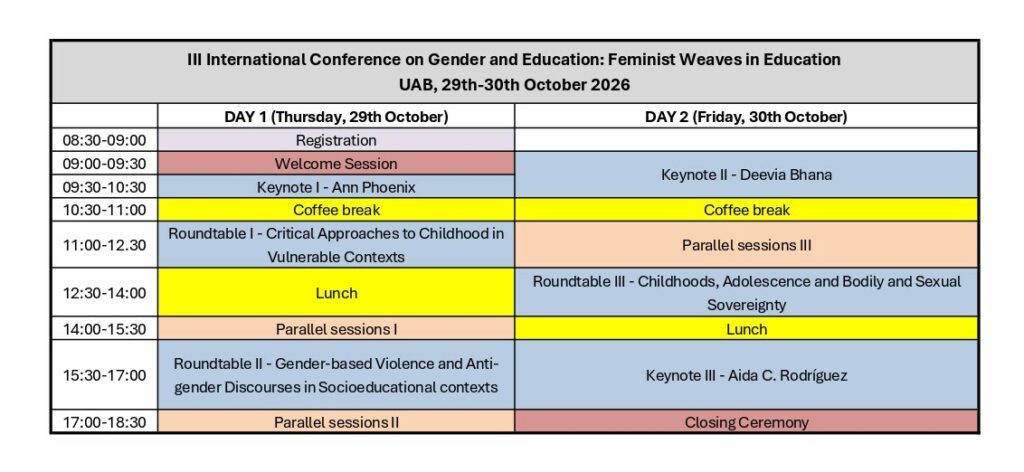
Please note that the detailed conference programme may be subject to modifications.
In the coming weeks, we will share additional information about the languages that will be used in the conference sessions.
Submissions
General Guidelines
- All proposal must be submitted through the online submission form (see the link below), no later than 30th April 2026
- Submitted abstracts will be peer reviewed by strand coordinators and by the conference scientific committee. Notification of acceptance will be sent to the corresponding presenters by 20th June 2026
- Participants may submit up to two proposals
- Submissions must adhere to established research ethics standards, ensuring integrity and transparency of data collection, and respect and privacy for participants.
Independent Paper Guidelines
You will need:
- The title of your paper
- An abstract (no more than 350 words)
- 3–5 keywords indicating the paper’s subject, theme and scope
- Names of the Author, Co-author and Presenter(s)
Panel Guidelines
Panels are interactive, discussion-oriented fora in which panelists present Papers and debate a chosen topic with the participants.
- Panel proposals should comprise 3–4 Papers
- The conference programme foresees several 90-minute slots for panels.
You will need:
- The title of your panel (no more than 30 words)
- The abstract (no more than 500 words)
- 3–5 keywords indicating the Panel’s subject, theme and scope
- Name of the Discussant.
Papers within the panel. You will need:
- The title of each paper
- The abstract of each paper (no more than 350 words including the title)
- 3–8 keywords for each Paper indicating the Paper’s subject, theme and scope
- Names of the Author, Co-author and Presenter(s)
Poster Guidelines
Posters are visual abstracts of one’s research. You will need:
- The title of your poster
- An abstract (no more than 350 words)
- 3–5 keywords indicating the poster’s subject, theme and scope
- Names of the Author, Co-author and Presenter(s).
Guidelines for Artwork and Transmedia Devices
We welcome submissions in the form of visual exhibitions and live or recorded performances. Performances should not last longer than 10 minutes. You will need:
- The title of your artwork
- A description
- 3-5 keywords indicating the artwork’s subject, theme and scope
- Names of the Author and/or Co-author.
Contributions based on art-based research, activist research, and reflections on social, political, and educational interventions will be distributed throughout the parallel sessions to foster interdisciplinary dialogue.
Proposal submission
Submit your proposal exclusively through the following submission form no later than 30th April 2026:
For any queries, you can contact us at educacio.genere@uab.cat
Dates and deadlines
30th January-30th April: proposal reception
30th April-20th June: proposal evaluation
20th June: proposal results
1st-30th September: registration
29th-30th October: conference
Fees
General (academics and professionals)
- Two days: €50
- One day ONLY: €25
Reduced (PhD students, people in precarious employment, and others facing financial constraints)
- Two days: €25
- One day ONLY: €15
Free (students)
Registration
Presenters
To complete your registration as a presenting author, please follow these steps:
- Register here. Do not worry if you do not receive an automatic confirmation email. We will contact you directly if we need to clarify your participation.
- Transfer the enrolment fee to the following bank account:
- Account number: ES48 0182 6035 4202 0161 0323
- Account holder: Universitat Autonoma de Barcelona
- Payment reference: FWE26 – your name and surname
- Fill in the form you can find below (in the language of your choice) and send it to us by email together with proof of payment.
The deadline for registration is 30th September 2026.
Attendees
Attendance is free of charge, but registration is required. Please register here no later than 15th September 2026.
If you have any questions regarding registration and/or conference attendance, please contact us at educacio.genere@uab.cat.
Where to stay
Accommodation on the UAB campus
Hotel Exe Campus
The Hotel Exe Campus**** offers comfortable fully equipped rooms with natural light.
Vila Universitària Halls of residence
Modern, fully equipped apartments located near the UAB faculties and Hotel Exe Campus.
Accommodation in Barcelona
How to arrive to the UAB from Barcelona by public transport:
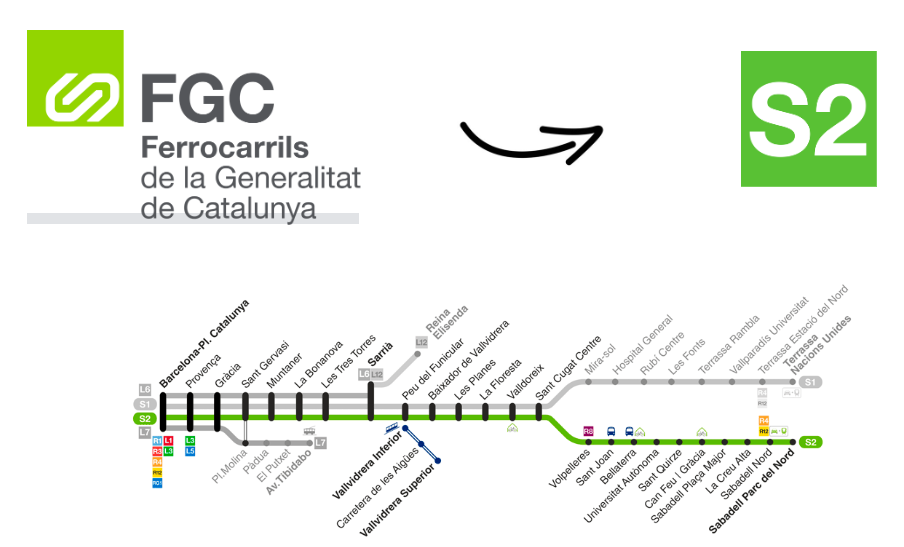
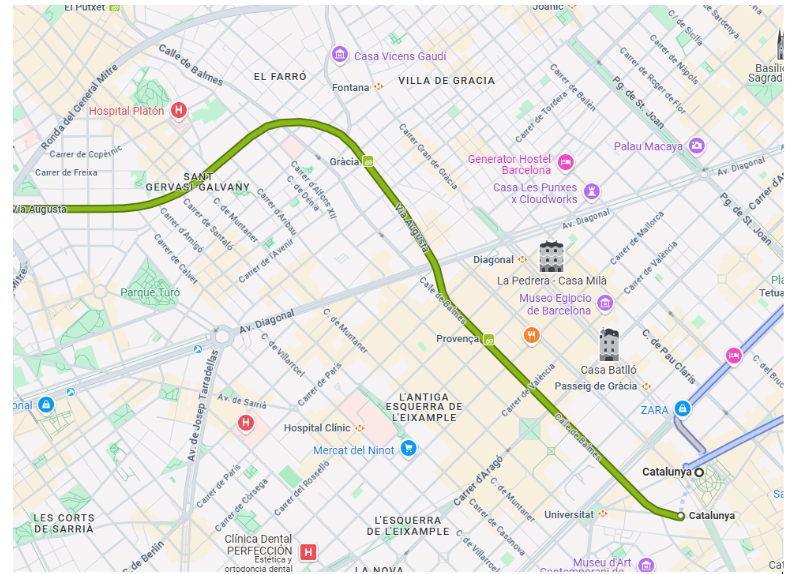
Neighbourhoods where to stay around the FGC train stations:
- Pl. Catalunya
- Eixample Esquerra
- Vila de Gracia
Hotels and hostels
- Hostal Laussane (near Barcelona – Pl. Catalunya)
- Hostal Abrevadero (near Barcelona – Pl. Catalunya)
- Hostal Martín (near Barcelona – Pl. Catalunya)
- Hotel Suizo (near Barcelona – Pl. Catalunya)
- Fabrizzio’s Petit (near Provença)
- Hostal Graffit (near Provença)
- Pension Segle XX (near Provença)
- Hostal Barcelona (near Provença)
- Hotel Balmoral (near Gràcia)
- Generator Barcelona (near Gràcia)
- Casa Gracia (near Gràcia)
- Silken Sant Gervasi (near Sant Gervasi)