How fertility is established, maintained, and lost
At the Roig Lab, we study the cellular and molecular mechanisms that govern mammalian reproduction using the mouse as a model. Our research combines fundamental biology with translational approaches to understand fertility, reproductive aging, and genome maintenance.
Meiosis and Genome Integrity
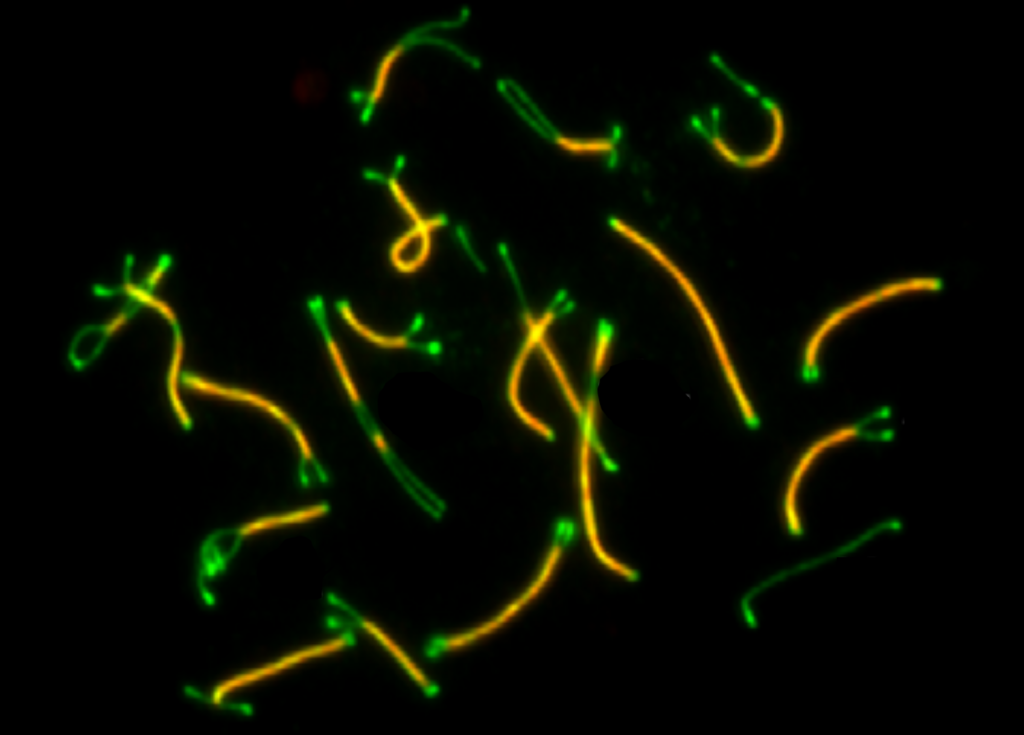
Meiosis is the specialized cell division that produces sperm and eggs. We investigate how chromosomes pair, recombine, and segregate accurately, and how surveillance mechanisms protect germ cells from genetic errors.
Understanding these processes is essential for uncovering the origins of infertility and chromosome abnormalities.
Gametogenesis and Fertility

The formation of healthy gametes depends on the precise regulation of cellular pathways during development. We study the genes and molecular networks that control spermatogenesis and oogenesis, with a particular interest in factors that influence reproductive success and fertility.
Ovarian Reserve and Reproductive Aging
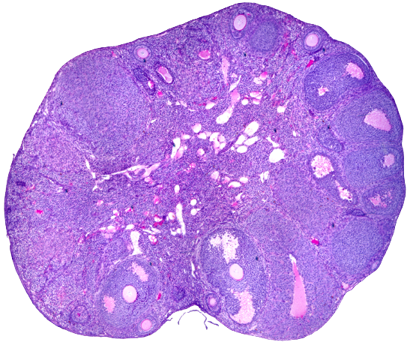
Female fertility depends on the ovarian reserve, a finite pool of oocytes established before birth. Our research seeks to understand why this reserve declines with age, identify the genetic factors that regulate reproductive lifespan, and reveal the biological mechanisms that drive ovarian aging.
Fertility Preservation and Reproductive Health
A major goal of our work is to translate basic discoveries into strategies that protect fertility. We investigate approaches to preserve ovarian function, delay reproductive aging, and improve reproductive health throughout life. Our studies aim to provide a foundation for future therapies targeting infertility and premature ovarian insufficiency.