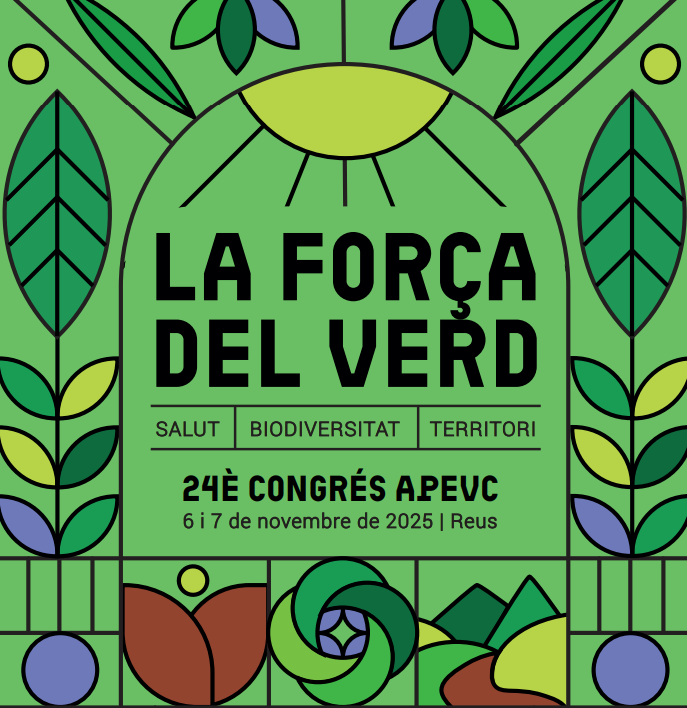
Gara Villalba presenta l’ús estratègic de la poda per a la regeneració de sòls al 24è Congrés de l’APEVC

El 6 de novembre, Gara Villalba va presentar la seva recerca titulada "Circularitat per Regenerar: El Paper del Carboni i els Nutrients en la Salut del Sòl" al 24è Congrés de l’APEVC, un esdeveniment clau celebrat a la Fira de Reus destinat a posar en valor el paper estratègic del verd en la salut pública i la configuració d’un territori més habitable.

Presentation at the RESPIRE-CLIMA workshop

On 12nd November, Qing Luo presented her work at the RESPIRE-CLIMA workshop, a key event aimed at strengthening the greenhouse gas (GHG) emissions monitoring system in Spain. Organized by the Barcelona Supercomputing Center – National Supercomputing Centre (BSC-CNS) and AEMET, the workshop brought together more than 80 participants both onsite and online.

New preprint: “A Social-Ecological-Technological Vulnerability Approach for Assessing Urban Risks”

Title: A Social-Ecological-Technological Vulnerability Approach for Assessing Urban Risks. Case Study of the Hydrological System of Barcelona, Spain / As urban populations continue to increase throughout the 21st century, a greater number of people are anticipated to face risks associated with extreme climate events. This study explores the intricate nature of water-related risks to urban communities through a Social-Ecological-Technological Systems framework.

Publication in Frontiers in Sustainable Food Systems

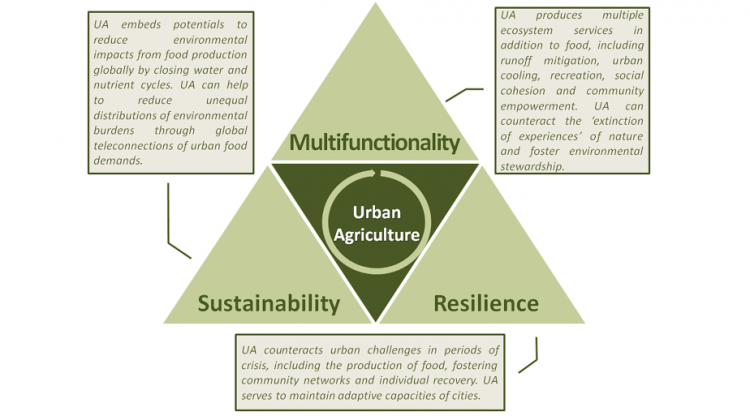
The COVID-19 pandemic unveiled the fragility of food sovereignty in cities and confirmed the close connection urban dwellers have with food. Although the pandemic was not responsible for a systemic failure, it suggested how citizens would accept and indeed support a transition toward more localized food production systems.

Publication in Journal of Industrial Ecology

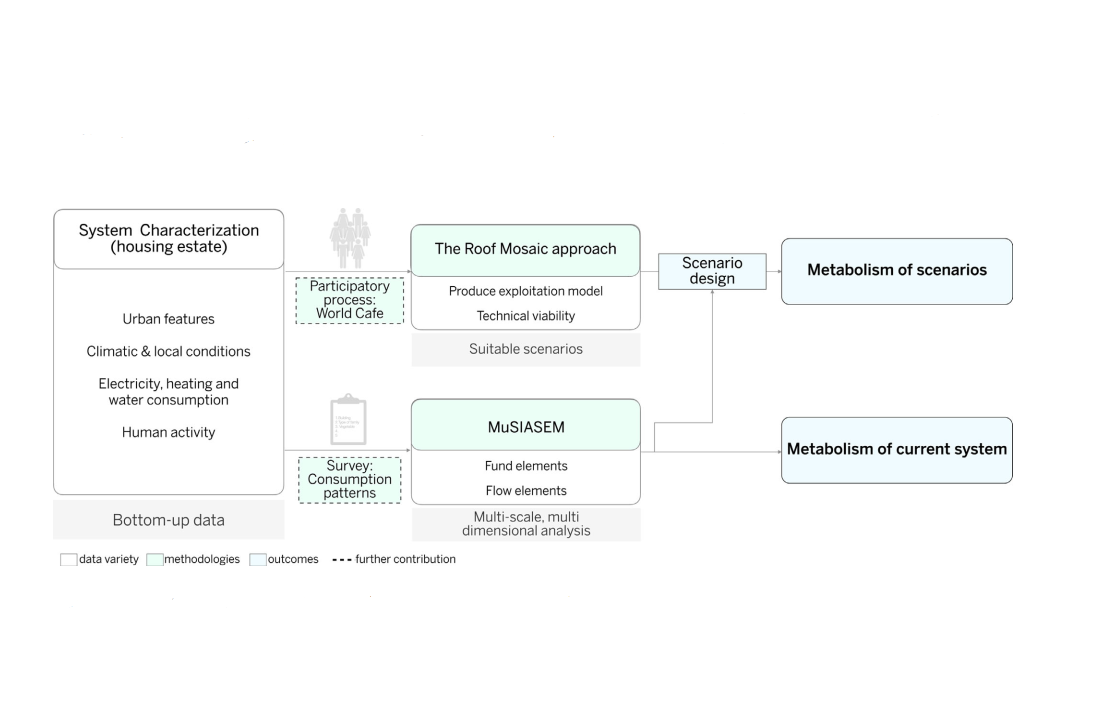
Housing estates, that is, mass social housing on middle‐ and high‐rise apartment blocks, in urban areas are found all over the world with very similar constructive patterns and a multiplicity of environmental and socio‐economic problems. Boosting new urban spaces of resource production involves citizens in sites which face social and economic needs.

Publication in Landscape and Urban Planning

The Covid-19 pandemic newly brings food resilience in cities to our attention and the need to question the desired degree of food self-sufficiency through urban agriculture. We argue in this essay that this development has widely taken place due to three blind spots in urban planning.