New publication in “Urban Climate”

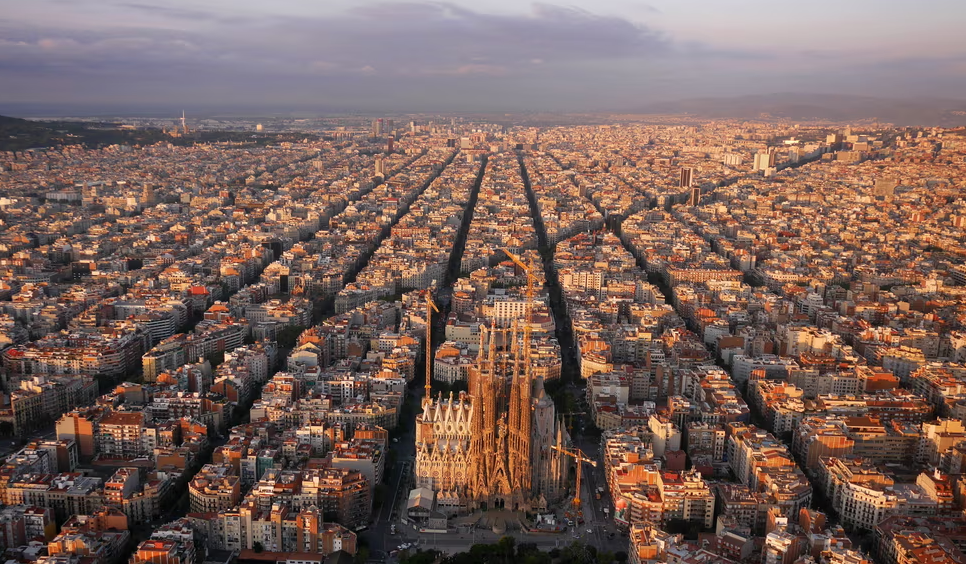
Title: Adapting urban areas to rising temperatures: Strategies to reduce heat and vulnerability in a warming world / The need for cities to prepare for the increasing frequency, persistence, and intensity of heat waves (HWs) makes modeling these events essential for evaluating the effectiveness of heat adaptation strategies.

New preprint: Adapting Urban Areas to Rising Temperatures: Strategies to Reduce Heat and Vulnerability in a Warming World

Title: Adapting urban areas to rising temperatures: strategies to reduce heat and vulnerability in a warming world / The need for cities to prepare for the increasing frequency, persistence, and intensity of heat waves (HWs) makes modeling these events essential for evaluating the effectiveness of heat adaptation strategies in the near future.

New publication in “Sustainable Cities and Society”

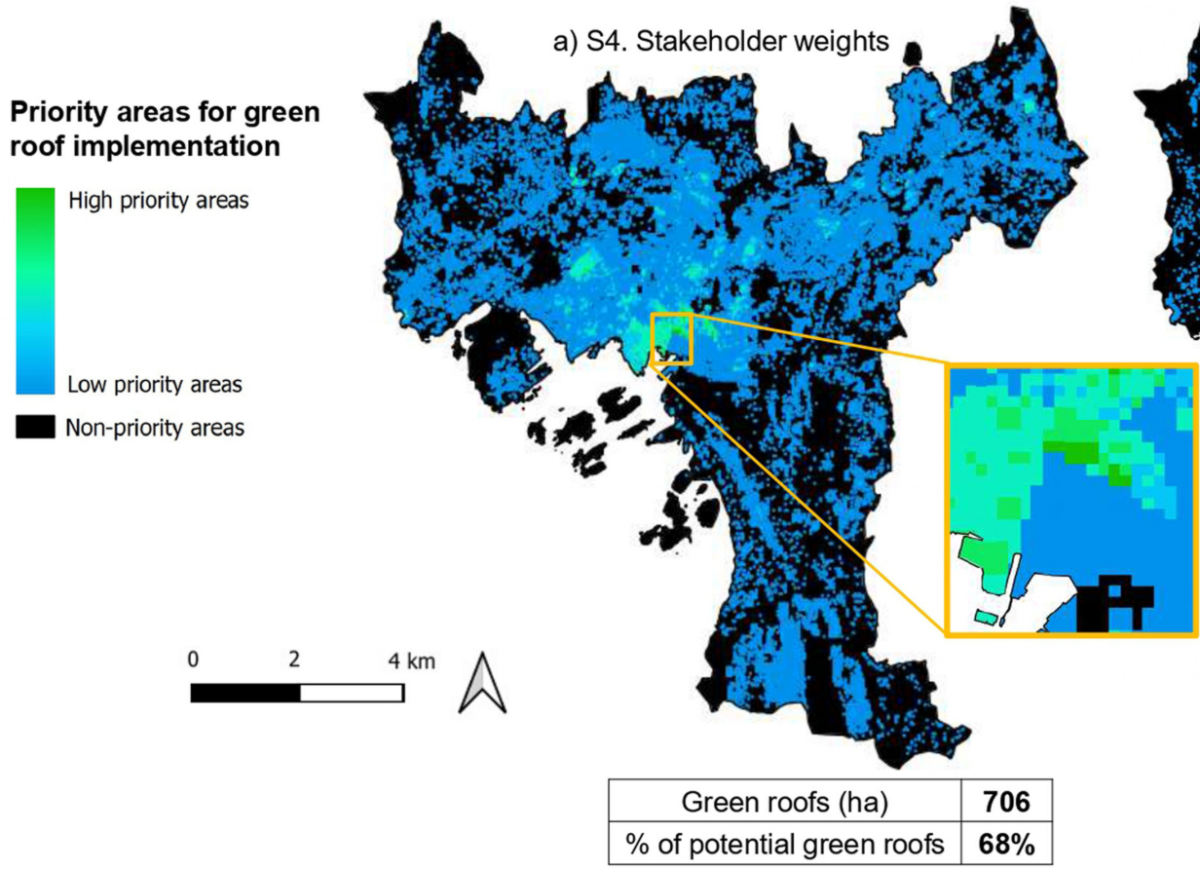
Title: Bridging local and global vulnerabilities for an integrated assessment of nature-based solutions/ Nature-based solutions (NBSs) can address socio-ecological challenges in urban environments, such as climate change adaptation and biodiversity conservation, but their local and global impacts are often not fully assessed. Stakeholder workshops serve to weigh the relative importance of impacts on vulnerabilities.

New publication in “Ecological Indicators”

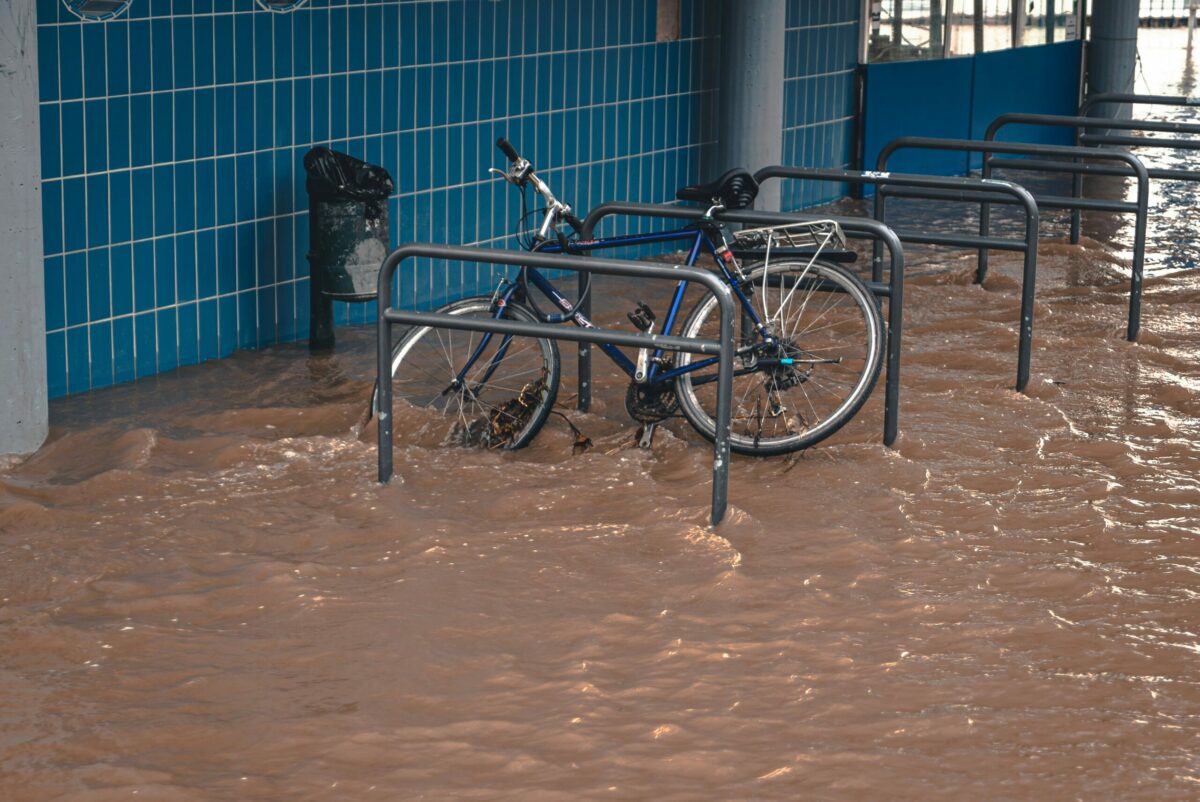
Title: A social-ecological-technological vulnerability approach for assessing urban hydrological risks/ In the context of urban population growth and climate change, and ever greater number of people are anticipated to face severe risks associated with extreme climate events; major ones are due to stormwater-related hazards. This study offers novel understanding of the complex nature of water-related risks in urban geographies

New preprint: “A Social-Ecological-Technological Vulnerability Approach for Assessing Urban Risks”

Title: A Social-Ecological-Technological Vulnerability Approach for Assessing Urban Risks. Case Study of the Hydrological System of Barcelona, Spain / As urban populations continue to increase throughout the 21st century, a greater number of people are anticipated to face risks associated with extreme climate events. This study explores the intricate nature of water-related risks to urban communities through a Social-Ecological-Technological Systems framework.

Participation at the EGU General Assembly 2021

The URBAG members worked on three presentations during the EGU 2021 conference, where 18 155 scientists from 136 different countries have met. With approximately 13 000 users per day, the conference has been considered a resounding success. The sessions have been conditioned by the global Covid-19 pandemic, forcing it to be carried out in virtual format.