New publication in “Urban Climate”

Title: Adapting urban areas to rising temperatures: Strategies to reduce heat and vulnerability in a warming world / The need for cities to prepare for the increasing frequency, persistence, and intensity of heat waves (HWs) makes modeling these events essential for evaluating the effectiveness of heat adaptation strategies.

New publication in “Urban Sustainability”

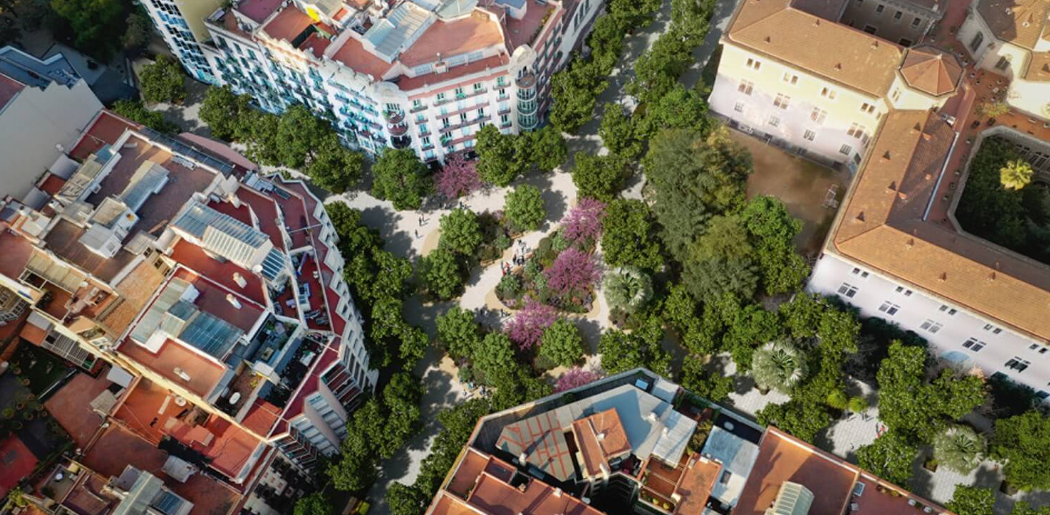
Title: Effect of land use changes on air quality: impacts of urbanization, urban vegetation, and agriculture / Urbanization converts natural landscapes into impervious surfaces, altering local climate and air quality. Greening strategies are adopted to mitigate these effects, yet their effectiveness depends on land use, urban form, geography, and climate interactions.

New publication in “Environmental Research”

Title: Assessing the short-term air quality health impact from land-use changes during heatwaves: A health impact assessment in Barcelona Metropolitan Area / Heatwaves amplify air pollution, increasing public health risks, particularly in urban areas where land use influences the distribution of pollutants. This study examines the short-term health effects of air pollution during a two-week heatwave in the Barcelona Metropolitan Area under different land use scenarios.

New publication in “Journal of Geophysical Research: Atmospheres”

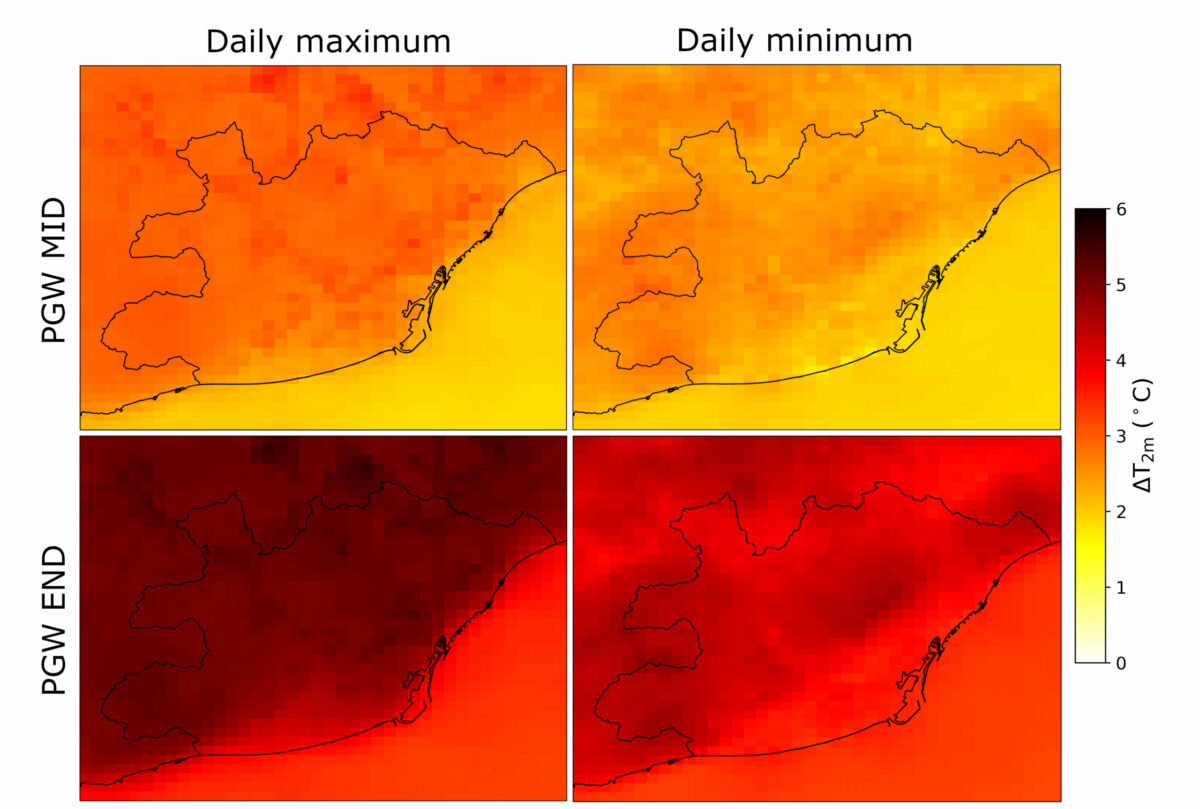
Title: Assessing the Intensity of Heatwaves in a Warming Climate at the Urban Scale: A Case Study of the Metropolitan Area of Barcelona/ Further understanding of the potential impact of future climate change on urban areas is needed. In this regard, we project recent heatwave (HW) episodes in the Metropolitan Area of Barcelona (AMB) with future climate conditions until 2100 using the pseudo global warming method.

New preprint: Adapting Urban Areas to Rising Temperatures: Strategies to Reduce Heat and Vulnerability in a Warming World

Title: Adapting urban areas to rising temperatures: strategies to reduce heat and vulnerability in a warming world / The need for cities to prepare for the increasing frequency, persistence, and intensity of heat waves (HWs) makes modeling these events essential for evaluating the effectiveness of heat adaptation strategies in the near future.

New publication in “Environment International”

Title: Co-benefits of nature-based solutions: A health impact assessment of the Barcelona Green Corridor (Eixos Verds) plan/ With the complete implementation of the Eixos Verds, 183 premature deaths could be averted annually (178 preventable deaths due to increase in GS alone, 5 preventable deaths through GS heat reductions), underscoring the critical role of urban greening in improving public health.

Participation at the Green urbanism conference

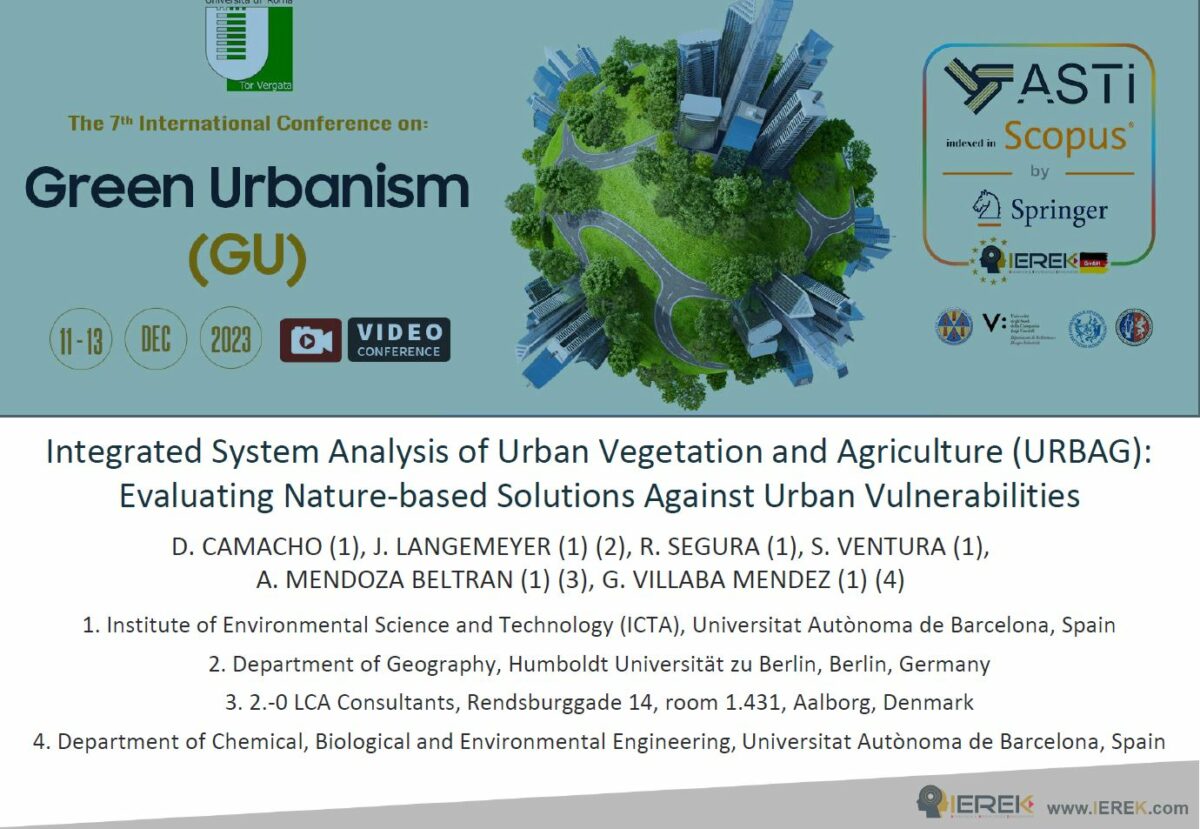
On December 2023, URBAG participated at the VII International conference on Green Urbanism (GU 2023) with the presentation “Integrated System Analysis of Urban Vegetation and Agriculture: An Interdisciplinary and Participatory Decision Approach for Evaluating Nature-based Solutions Against Urban Vulnerabilities”.

URBAG participation in the European WRF-Chem Workshop 2023

Between May 9th and 11th, 2023, the European WRF-Chem Workshop has taken place in the Italian city of Lecce, in which the URBAG group participated. The URBAG researcher Alba Badia  shared her work related to the atmospheric and chemical transport model Weather Research and Forecasting with Chemistry to the workshop participants.

New publication in “Atmospheric, Chemistry and Physics”

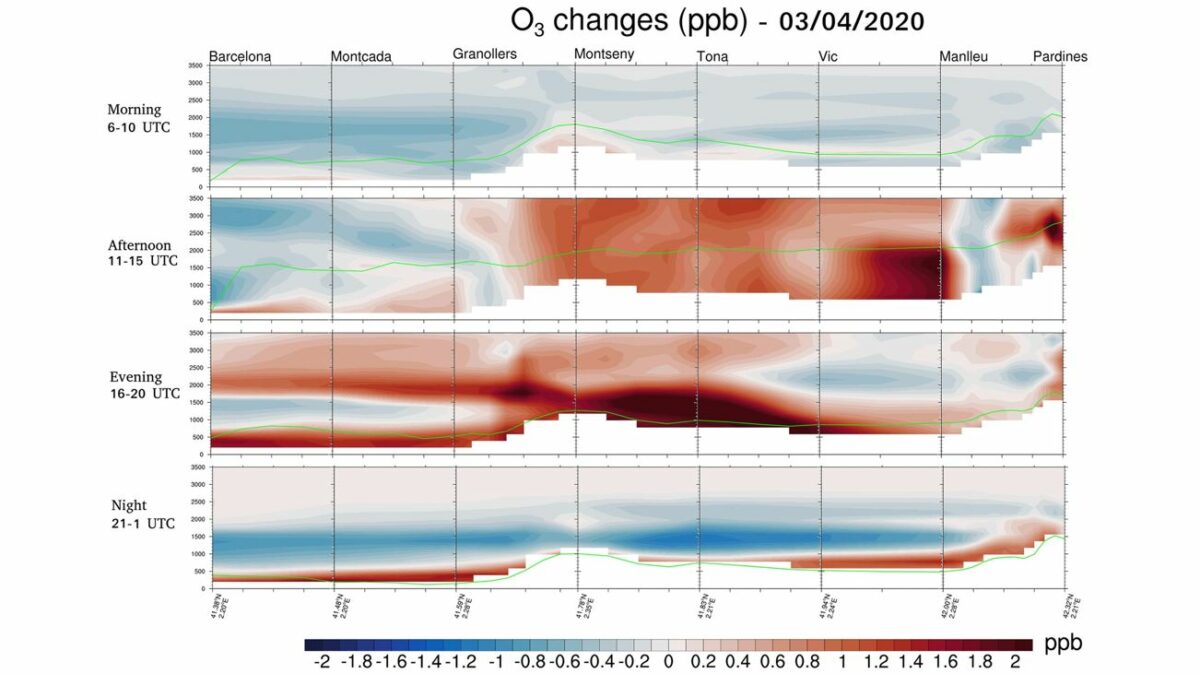
Title: Modelling the impacts of emission changes on O3 sensitivity, atmospheric oxidation capacity, and pollution transport over the Catalonia region / Tropospheric ozone (O3) is an important surface pollutant in urban areas, and it has complex formation mechanisms that depend on the atmospheric chemistry and on meteorological factors. The severe reductions observed in anthropogenic emissions during the COVID-19 pandemic can further our understanding of the photochemical mechanisms leading to O3 formation.