We are a socio-educational team that accompanies situated learning processes with individuals, organizations, and territories. We work in formal, non-formal, and informal contexts using participatory and playful methodologies that foster autonomy and collective reflection. We co-design open and reusable dynamics and materials that highlight local heritage—both tangible and intangible—and contribute to making cities more playful and sustainable. We prioritize educational action and working with people; technology is integrated only when it adds meaning. We see diversity as a strength that enriches content, processes, and connections among agents.
We co-design adaptable experiences and materials that highlight tangible and intangible heritage, memory, community knowledge, and relationships with the environment. We prioritize educational action and working with people, integrating technology only when it contributes to pedagogical, social, or community goals. We view diversity as a source of knowledge that enriches content, processes, and connections among agents.
These principles are reflected in the following approaches:
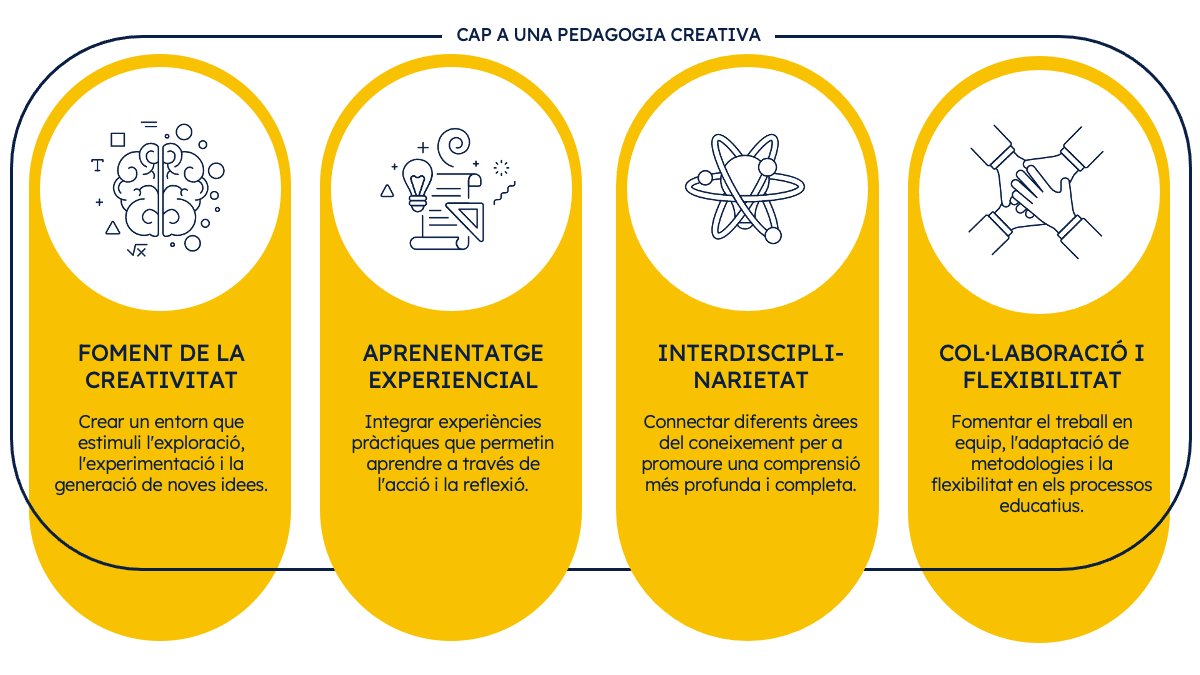
Social Pedagogy Approaches
Heritage Education and Technologies
Local heritage is worked on as a situated educational and cultural resource in the territory—neighborhoods, towns, facilities, and public spaces—to activate memory, connections, and care. We seek its revitalization as a pillar of social transformation and coexistence. Technology is integrated contextually, not as the main axis of activities, and is used only when it adds value to the experience.
Collaborative and Participatory Learning
We prioritize co-design with people and organizations (associations, NGOs, centers, companies, and administrations), generating playful dynamics that foster interaction among diverse groups. We promote flexible learning, with clear objectives and open roles, and continuous feedback to adjust activities and materials. We address universal accessibility and the diversity of life stages.
Habitable Spaces and Playable Cities
We design experiences that strengthen the bond with places and contribute to daily well-being: plural use of public space, intergenerational encounters, and meaningful play. We incorporate good living and habitability criteria (shade, water, rest, perceived safety, gender perspective, material circularity) to make squares, parks, streets, and facilities more welcoming and active.
Prototyping and Evaluation
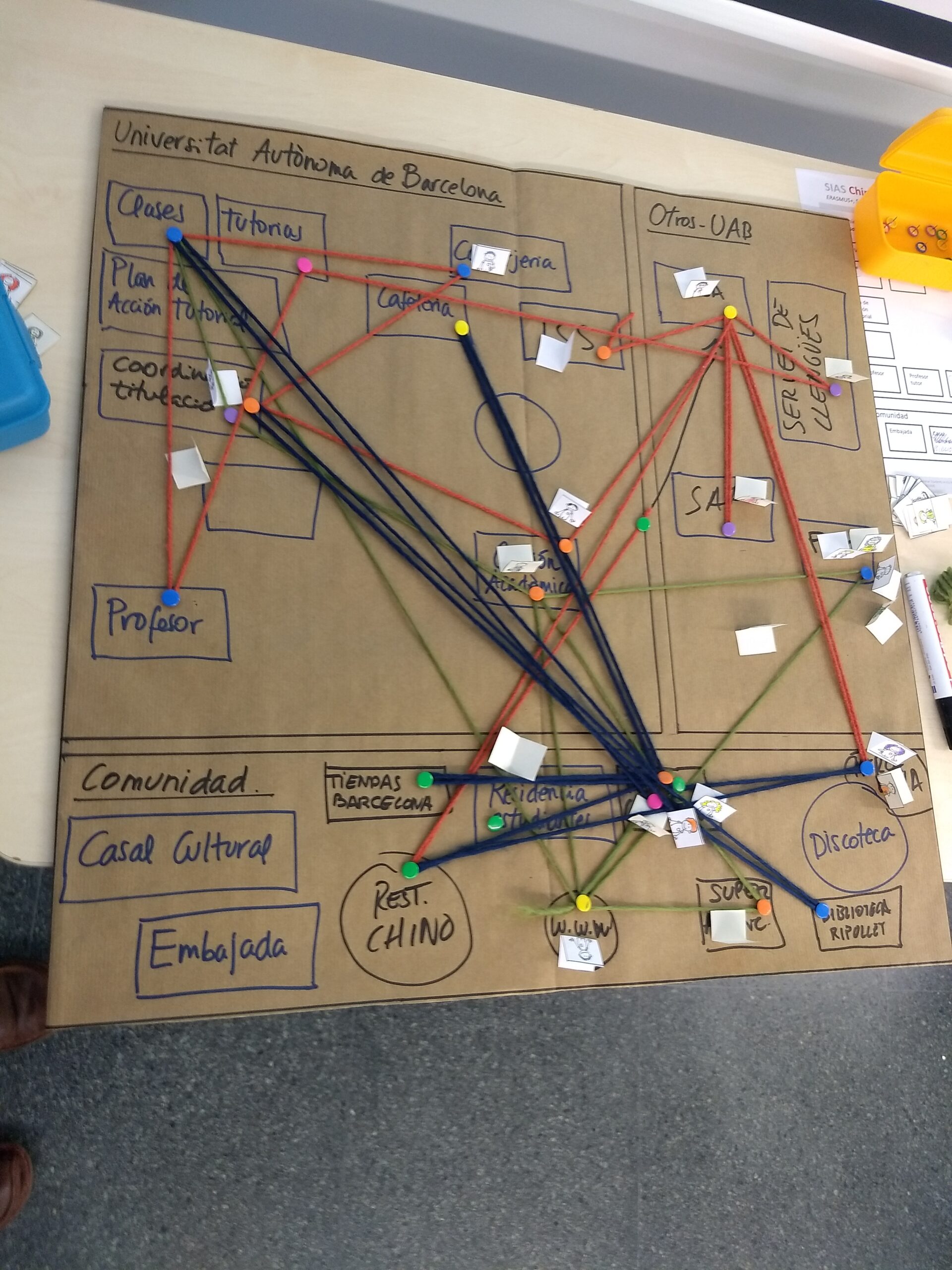
Creating prototypes and testing them in real contexts is fundamental to evaluating the impact of our activities. We assess not only learning but also space usage, time spent, routes, relationships, and perceptions of well-being. We combine observation, mapping, field diaries, photovoice, and collective feedback to adjust approaches based on results.
Open and Flexible Design
Our proposals are open and adaptable, with reusable and freely accessible materials for replication in different urban and rural contexts. We provide portable kits and brief guides for implementation. When meaningful, we work in citizen laboratories (living labs) to sustain co-creation and transfer processes among agents.
Core Values
Creativity and Innovation
We encourage creativity as a driver for learning, inspiring students, artists, and professionals to explore new ways of teaching and learning, always with the goal of promoting the Sustainable Development Goals (SDGs).
Diversity, Equity, and Intercultural Dialogue
We believe in the importance of fostering dialogue and intercultural understanding, promoting collaboration and social inclusion. We seek a learning environment that celebrates cultural and environmental diversity, considering these differences as key to innovation and collective growth.
Accessibility, Digital Literacy, and Open Education
We strive to make our proposals accessible to everyone, adapting to available resources and the specific needs of each community. We promote open education and the creation of Open Educational Resources (OER), ensuring that designed materials are shared and accessible to all interested parties.
Active Participation and Democratic Governance
We encourage the participation of local communities, educational and technological agents in designing solutions. We base our work on social pedagogy approaches, such as community action and educational animation, to ensure all voices are heard and educational processes adapt to local needs and realities.
Autonomy, Collaboration, and Decision-Making Capacity
We facilitate empowerment processes so students develop key soft skills, such as communication, collaboration, and decision-making. Through active participation in leadership, responsibility, and decision-making activities, we provide them with the opportunity to experience leadership, strengthen their autonomy, and prepare to take on responsibility roles in their communities.
Research, Open Science, and Social Return
We believe in the power of research as a driver of change and continuous improvement. We are committed to open science and aware of the value of social, professional, scientific, and educational dissemination. We seek to share our findings and experiences with the academic community, educators, and the general public. Through the creation of educational resources, publishing articles, and participating in conferences, we work to make our pedagogical approaches—based on creativity and playful learning—accessible and replicable, contributing to the advancement of education and social innovation.
Linking with the Sustainable Development Goals (SDGs)
SDG 4: Quality Education for All Throughout Life
We provide an innovative and participatory educational approach, promoting active, contextualized, and accessible learning in formal, non-formal, and informal contexts.
SDG 5: Gender Equality
We reflect on the initiatives and projects proposed to contribute to rewriting and highlighting the role of women in science and technology. We seek to reduce existing gender gaps in these fields, promoting equitable participation of all people, regardless of gender, in all project phases. Through our activities, we foster the visibility of women in leadership roles and the construction of a more inclusive and representative narrative in science, education, and innovation.
SDG 11: Sustainable Cities and Communities
We contribute to strengthening the collective and personal identity of the community through knowledge and appreciation of local heritage, creating playable cities where education and culture merge to build more inclusive and sustainable urban environments.
SDG 17: Partnerships for the Goals
We involve associations, local authorities, and citizens in interdisciplinary collaboration to create educational content, promoting the dissemination and valorization of heritage and establishing links between the university and the community.