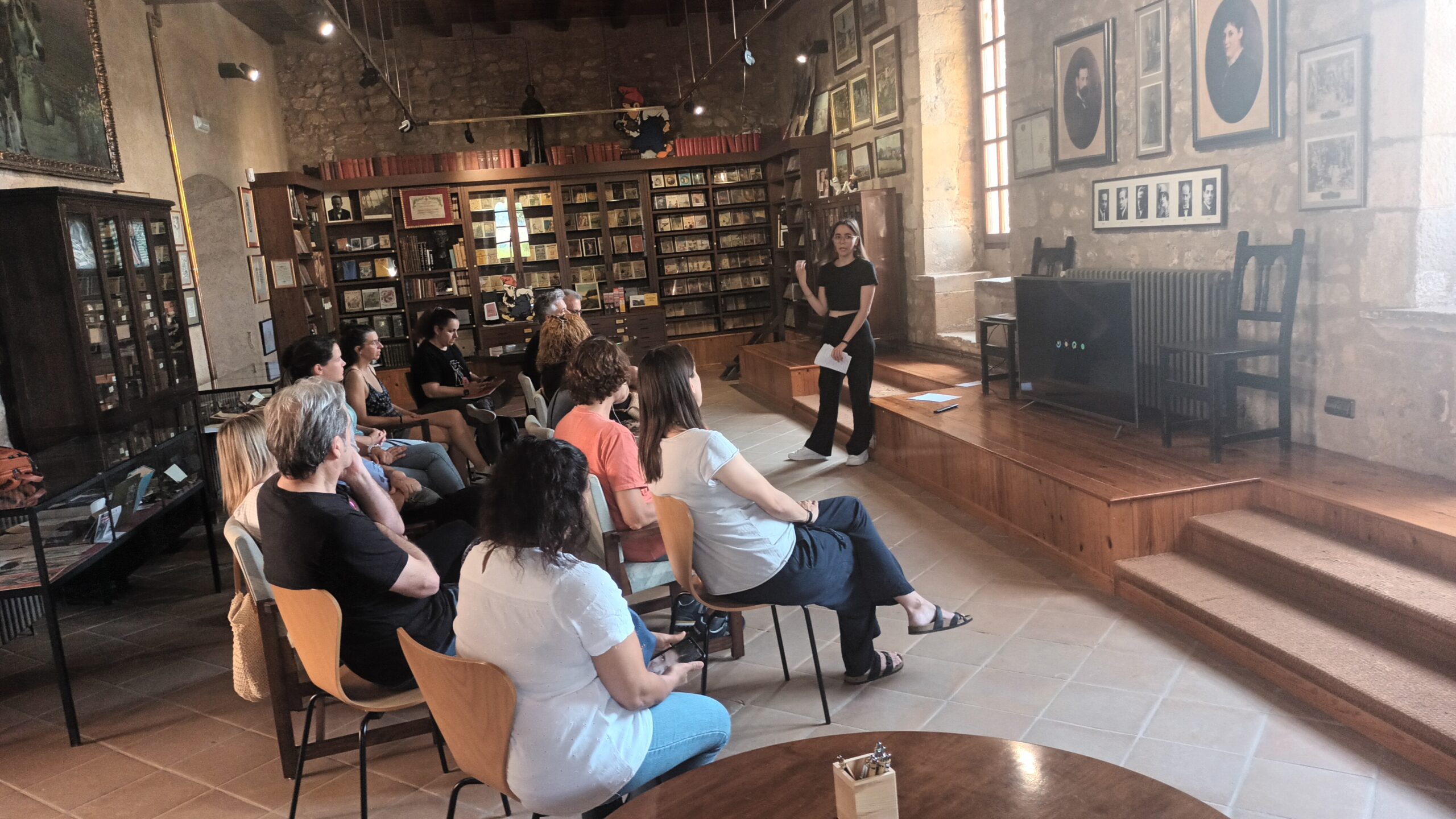
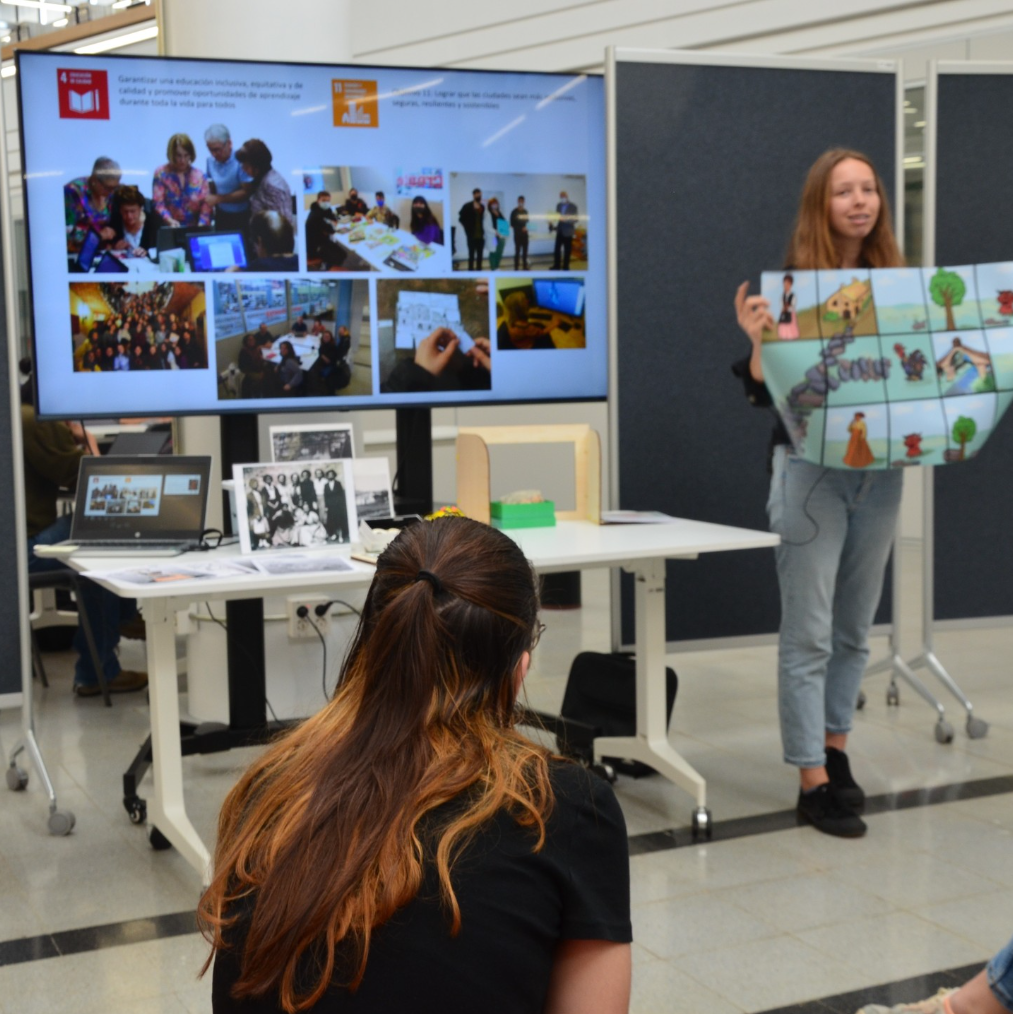
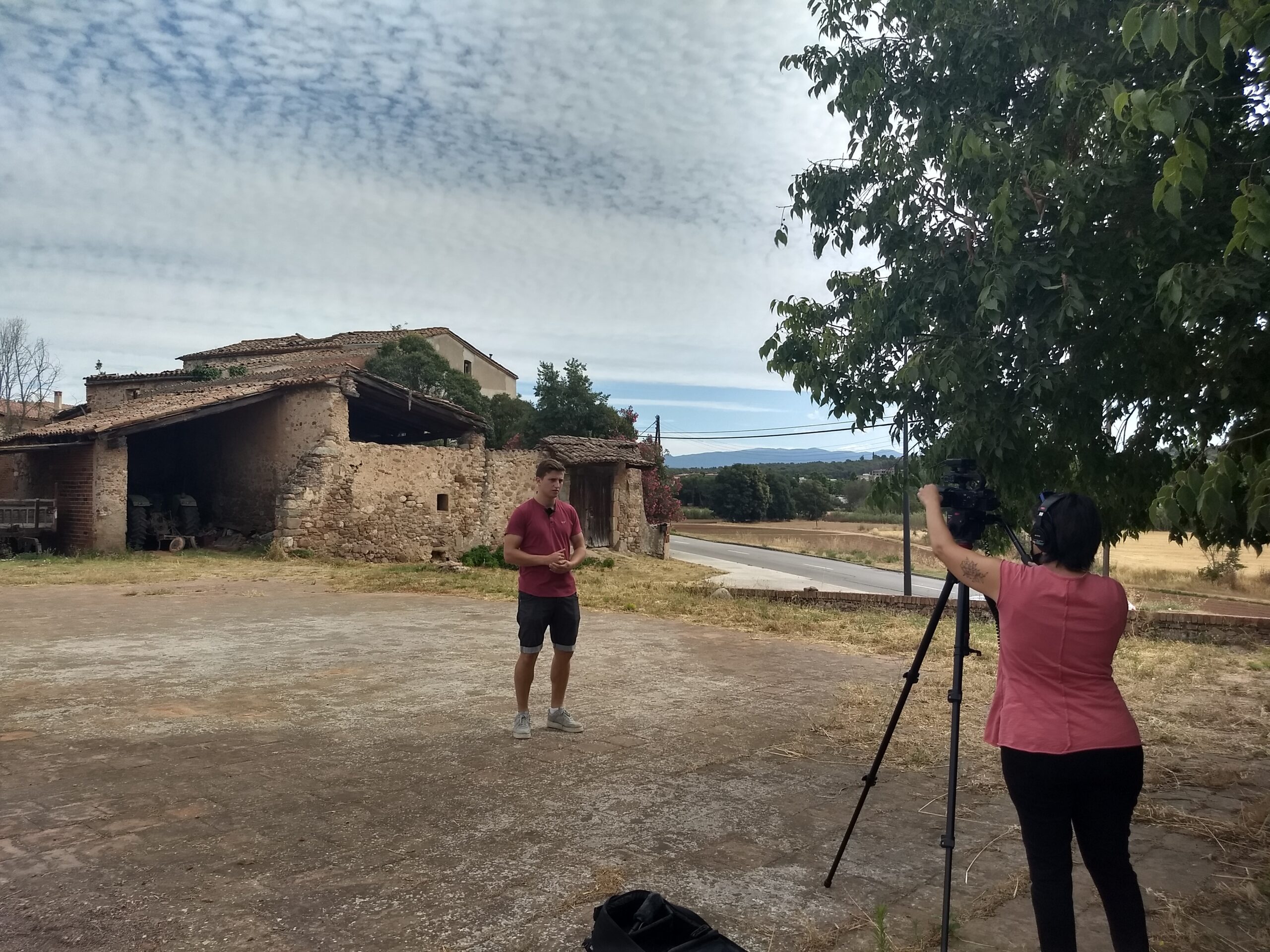
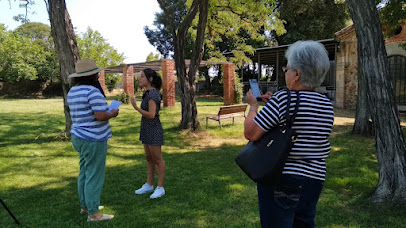
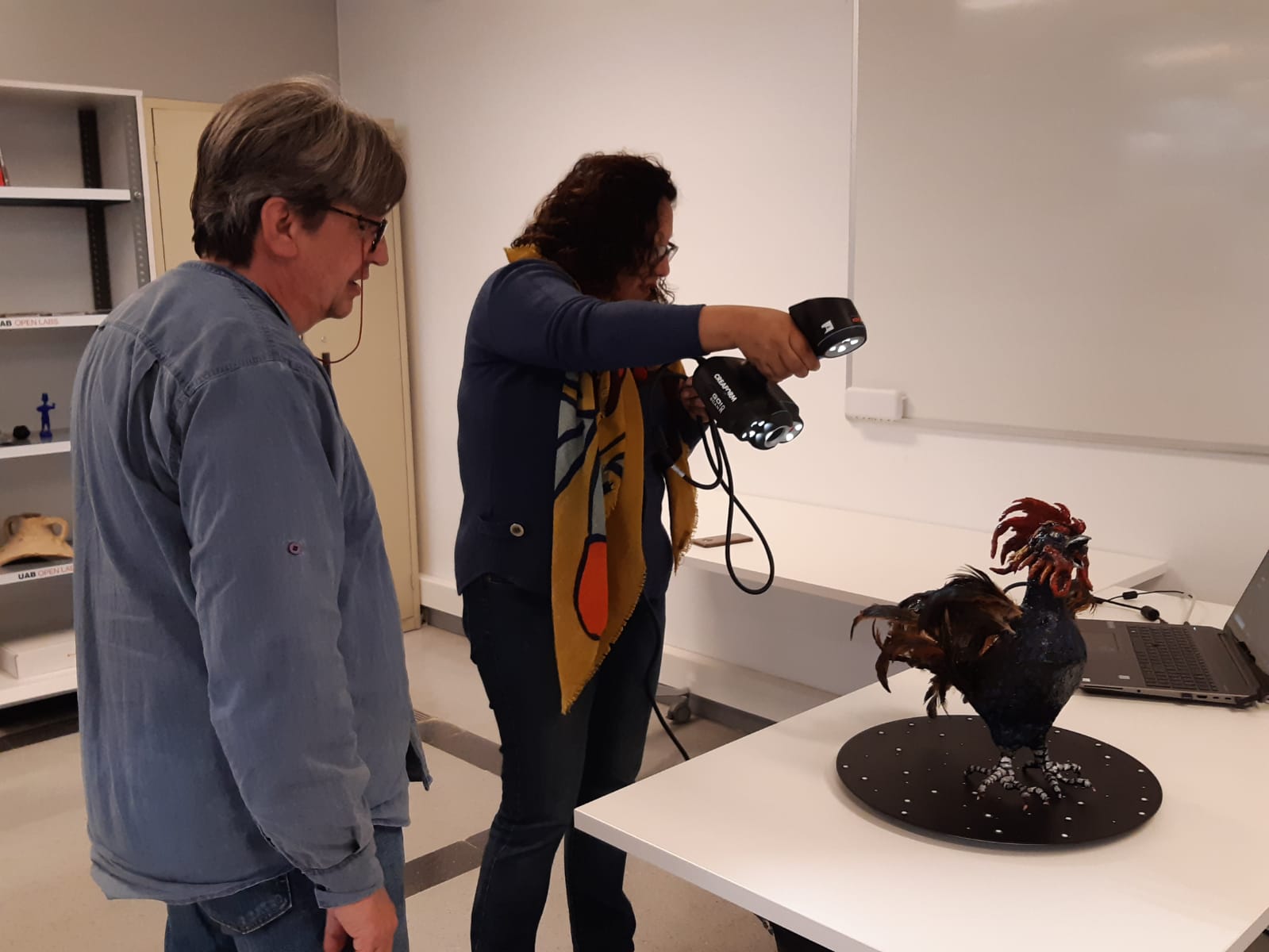
Projects are developed in real-world contexts with the participation of local agents, students, professionals, organizations, and communities. These images show some of the co-creation, experimentation, and situated learning processes driven by the Campus.

Community for change: We build and sustain a community that strengthens collaboration, situated learning, and the community return of projects. We create conditions for participation (meetings, coordination, and care) and to sustain processes over time.
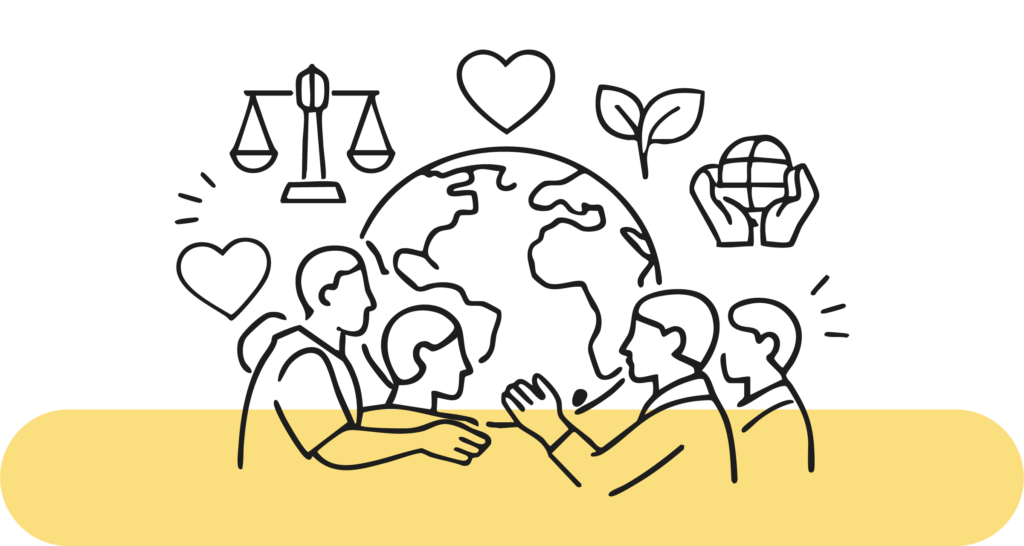
Challenges and responses to social challenges: We promote initiatives aimed at inclusion, social justice, and sustainability, with a direct impact on local life.
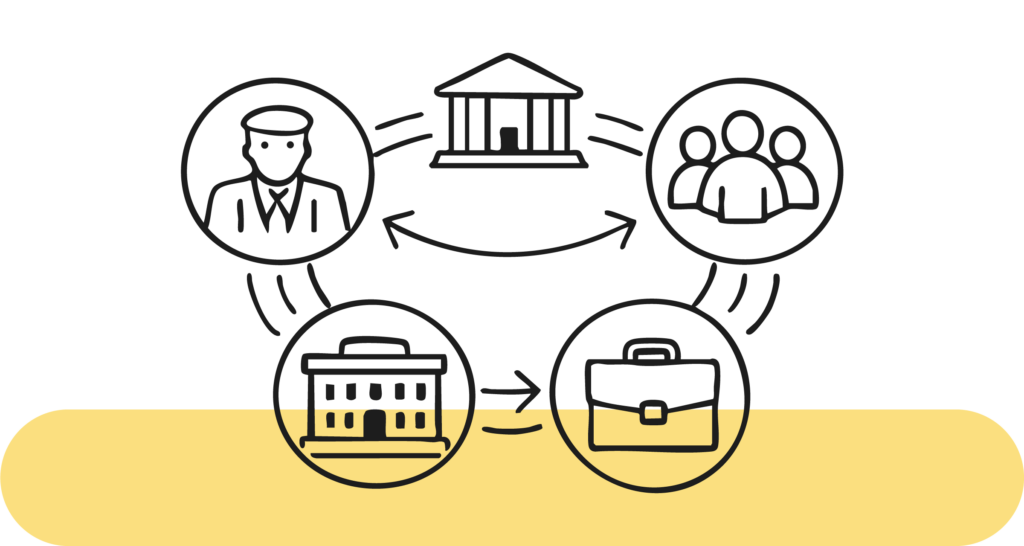
Quadruple helix co-creation: We articulate collaboration between the university, local administration, citizens/social fabric, and the private sector to design and develop shared projects.

Contextualized, playful, and open learning: We facilitate practical experiences in formal, non-formal, and informal contexts, strengthening technical skills and transversal abilities.

Boosting competitive projects: We support the identification and preparation of proposals for local, state, and international funding, with a focus on community return.

Applied research and technological development: We drive experimentation and evaluation processes in context to generate useful and transferable solutions.
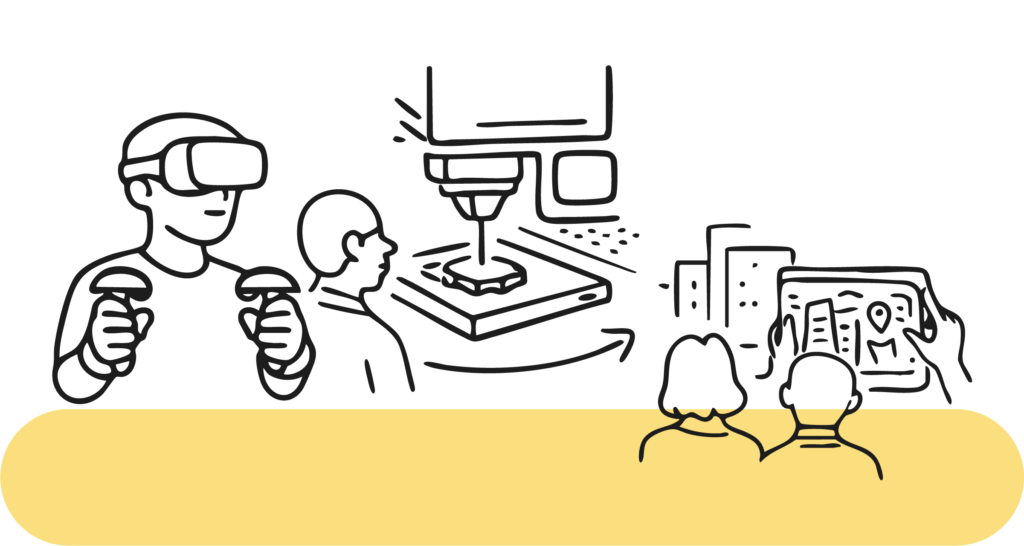
Purpose-driven technology: We incorporate emerging technologies when they add value (e.g., AI, IoT, or immersive realities) for situated solutions and resources.

Evaluation, communication, and dissemination: We define indicators, monitor progress, and share learnings and results to promote transparency and replicability.
The Campus in action
Our journey began in 2015, when a group of seniors from the Punt TIC initiated the digitization of Palau-solità i Plegamans’ local history. In 2019, this effort took public form with the release of a digital heritage route featuring 12 documented points, audio clips, and an interactive tour. In 2020, the Education Department promoted the creation of educational materials on tangible and intangible heritage, validated with educational centers and in collaboration with local entities.