URBAG participation at EGU25

URBAG took part in the EGU General Assembly 2025 in Vienna, where researchers presented their latest work on urban air quality, greenhouse gas fluxes, and nature-based solutions for climate adaptation. Three contributions by Qing Luo, Ricard Segura-Barrero and Svetlana Khromova showcased URBAG’s interdisciplinary approach to tackling climate challenges in urban environments.

New preprint: Assessing the Short-Term Air Quality Health Impact from Land-Use Changes During Heatwaves

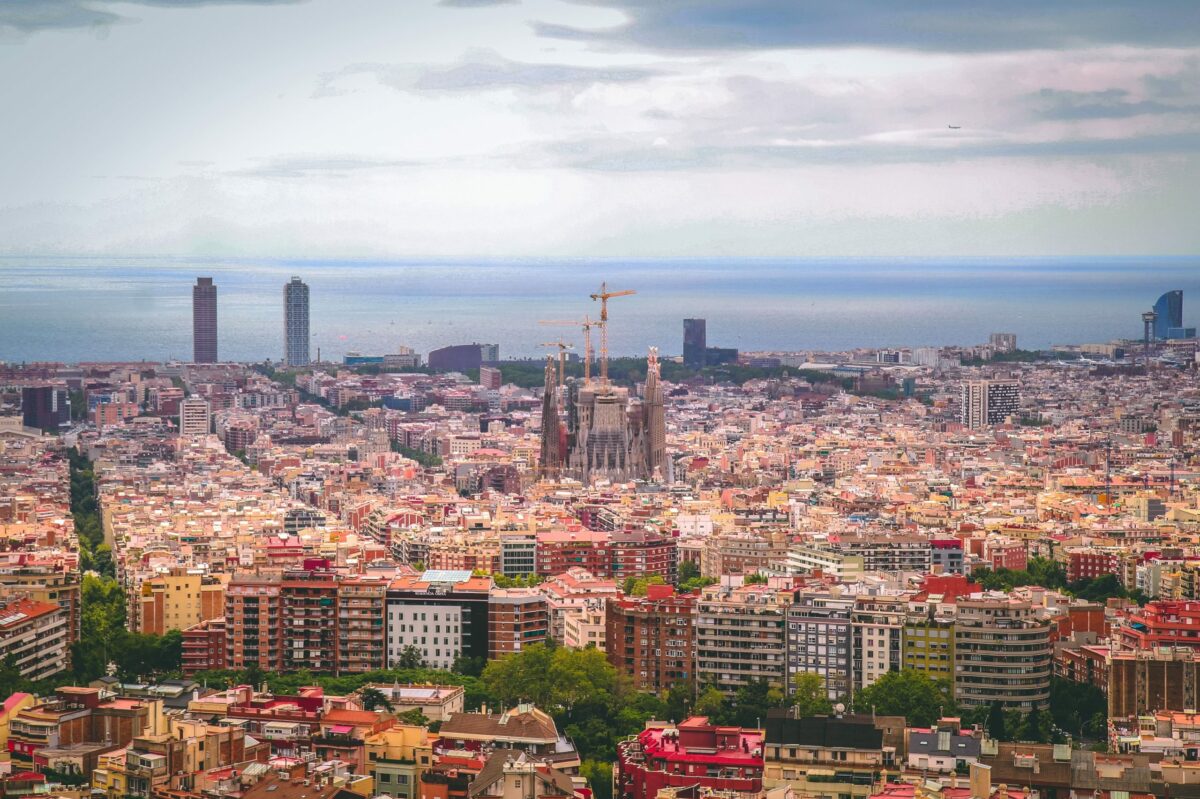
Title: Assessing the Short-Term Air Quality Health Impact from Land-Use Changes During Heatwaves: A Health Impact Assessment in Barcelona Metropolitan Area / Heatwaves amplify air pollution, increasing public health risks, particularly in urban areas where land use influences the distribution of pollutants. This study examines the short-term health effects of air pollution during a two-week heatwave in the Barcelona Metropolitan Area under different land use scenarios

New publication in “Ecological Indicators”

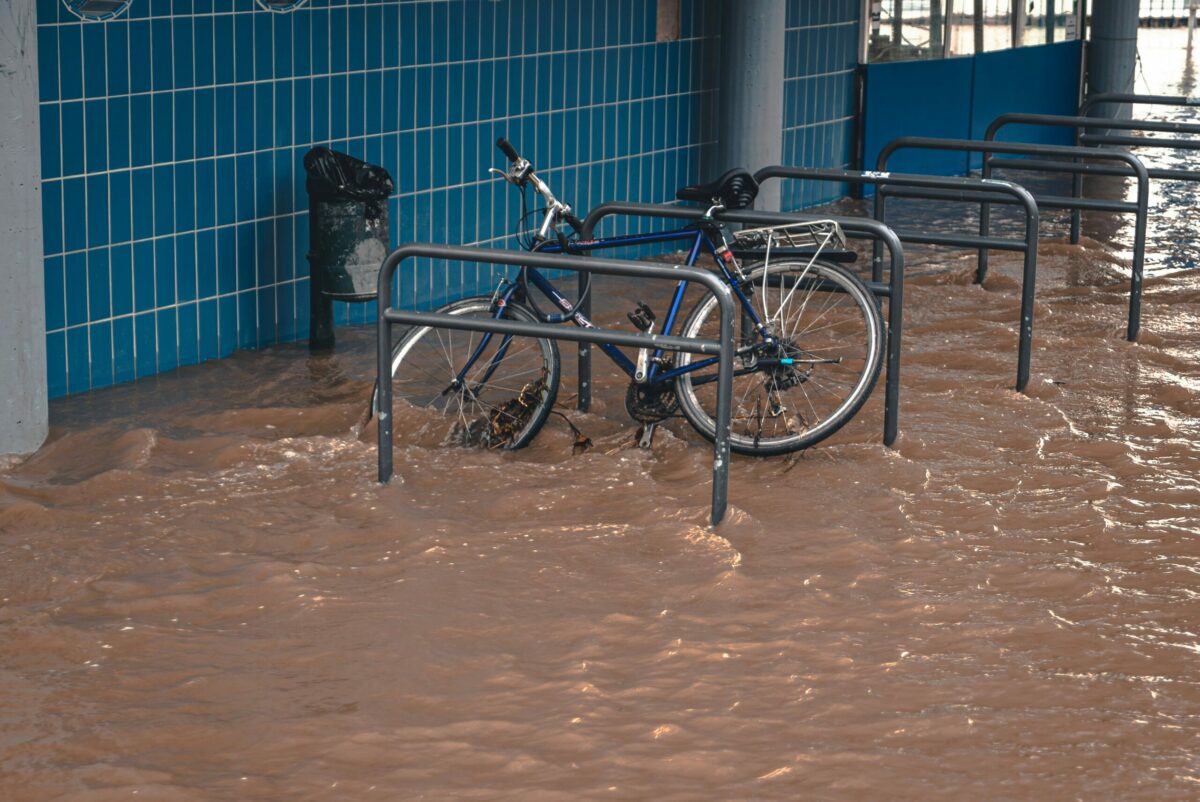
Title: A social-ecological-technological vulnerability approach for assessing urban hydrological risks/ In the context of urban population growth and climate change, and ever greater number of people are anticipated to face severe risks associated with extreme climate events; major ones are due to stormwater-related hazards. This study offers novel understanding of the complex nature of water-related risks in urban geographies

URBAG research highlighted in AGU Special Collection

This acknowledgment reflects the high-quality research and collaborative efforts of the URBAG team in addressing critical challenges related to climate change and urban ecosystems. We are thrilled to see our work recognized on such an esteemed platform and remain committed to producing impactful scientific contributions.

New publication in “Environment International”

Title: Co-benefits of nature-based solutions: A health impact assessment of the Barcelona Green Corridor (Eixos Verds) plan/ With the complete implementation of the Eixos Verds, 183 premature deaths could be averted annually (178 preventable deaths due to increase in GS alone, 5 preventable deaths through GS heat reductions), underscoring the critical role of urban greening in improving public health.

Presentation at the first annual event of the project “Nature in the City”

Exploring Multifunctional Nature-Based Solutions for Sustainable Stormwater Management. Svetlana Khromova presented her work at the first annual event of the project "Nature in the City," focusing on nature-based solutions (NBS) and climate adaptation in urban environments. The event was organized by the Urban School of Science Po in Paris during 11 and 12th of December 2024.

New preprint: “A Social-Ecological-Technological Vulnerability Approach for Assessing Urban Risks”

Title: A Social-Ecological-Technological Vulnerability Approach for Assessing Urban Risks. Case Study of the Hydrological System of Barcelona, Spain / As urban populations continue to increase throughout the 21st century, a greater number of people are anticipated to face risks associated with extreme climate events. This study explores the intricate nature of water-related risks to urban communities through a Social-Ecological-Technological Systems framework.

New publication in “Global Biogeochemical Cycles”

Title: Heat and Drought Events Alter Biogenic Capacity to Balance CO2 Budget in South-Western Europe/ Heat and drought events are increasing in frequency and intensity, posing significant risks to natural and agricultural ecosystems with uncertain effects on the net ecosystem CO2 exchange. The current Vegetation Photosynthesis and Respiration Model (VPRM) was adjusted to include soil moisture impacts on the gross ecosystem exchange and respiration.