New publication in “npj: urban sustainability”

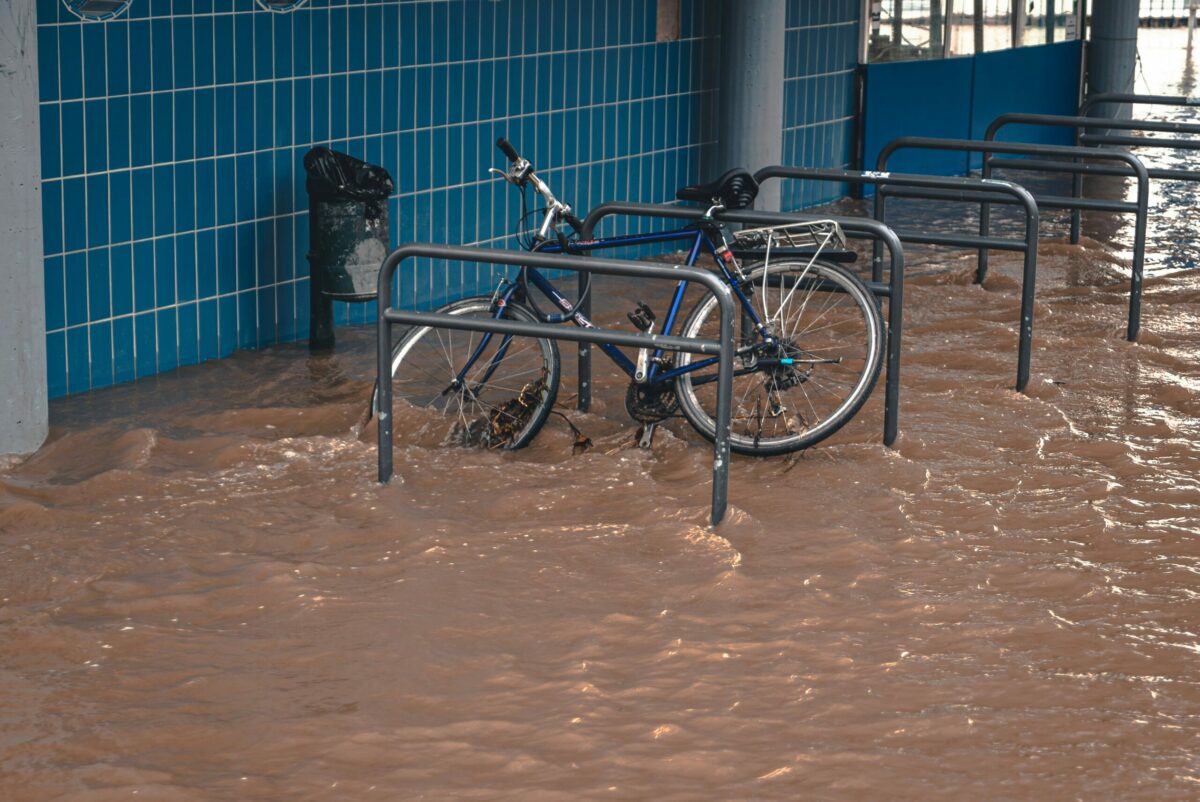
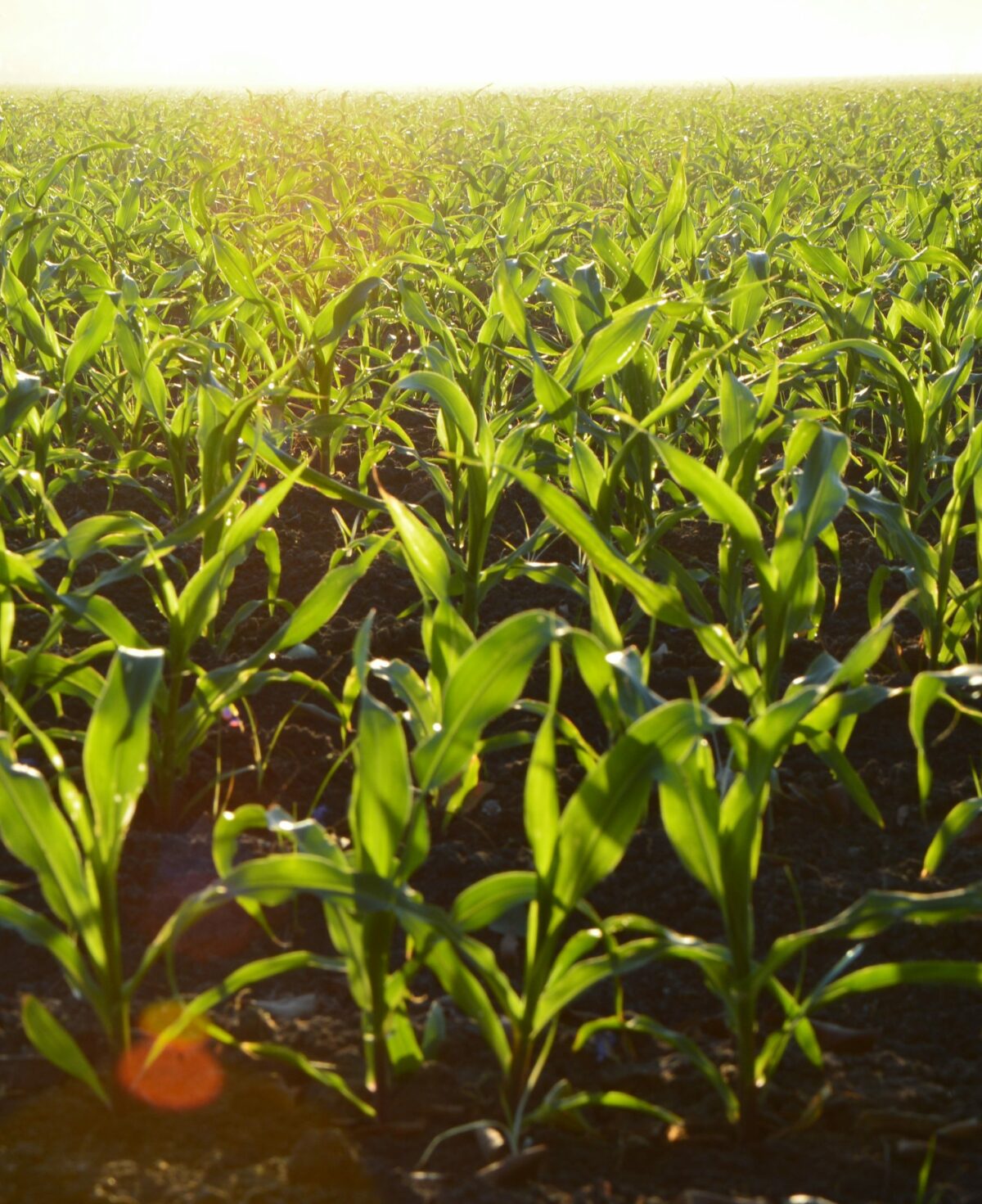
Title: Leveraging circular nutrients to improve the sustainability of peri-urban agriculture / Agriculture in the urban periphery (peri-UA) can potentially reduce its environmental impact through nutrient recovery from municipal solid and water waste, promoting local crops and displacing some dependency on imports.
New publication in “Urban Climate”

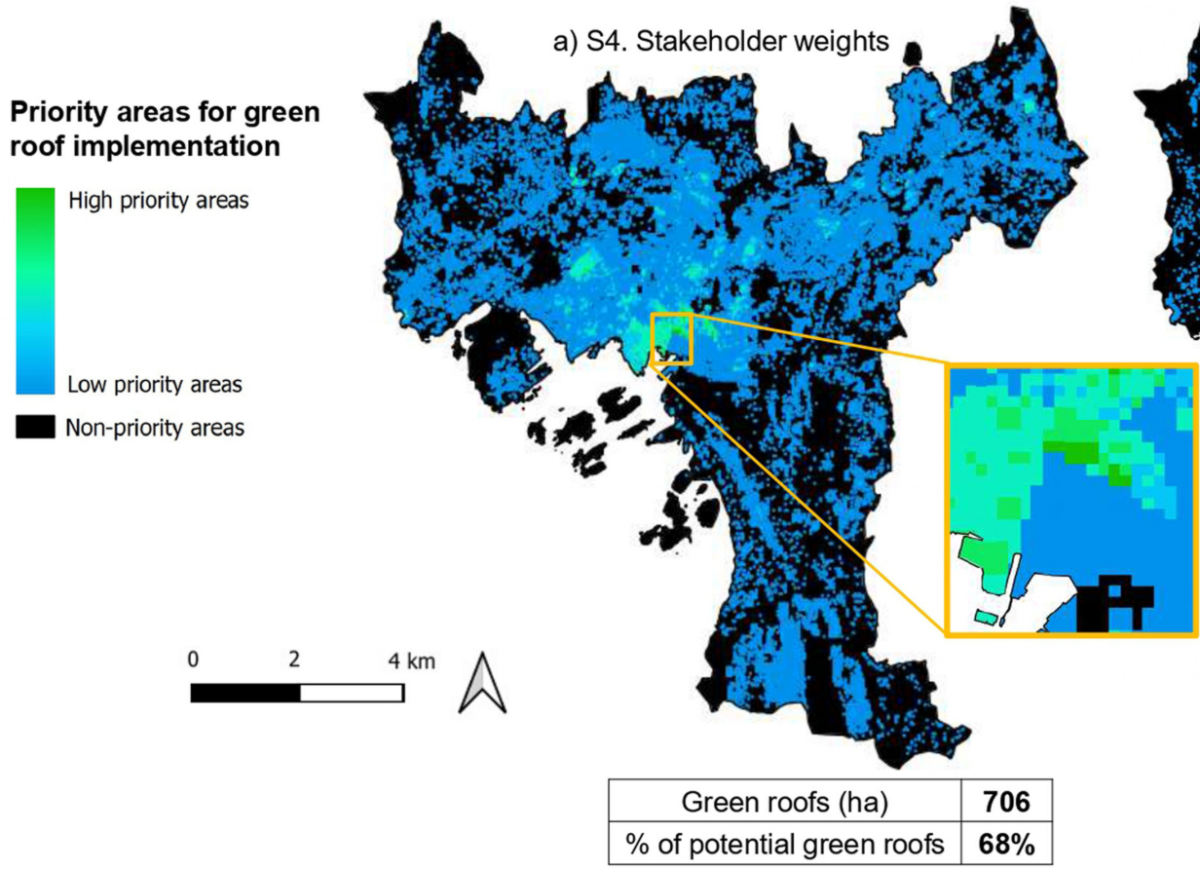
Title: Adapting urban areas to rising temperatures: Strategies to reduce heat and vulnerability in a warming world / The need for cities to prepare for the increasing frequency, persistence, and intensity of heat waves (HWs) makes modeling these events essential for evaluating the effectiveness of heat adaptation strategies.

New publication in “Urban Sustainability”

Title: Effect of land use changes on air quality: impacts of urbanization, urban vegetation, and agriculture / Urbanization converts natural landscapes into impervious surfaces, altering local climate and air quality. Greening strategies are adopted to mitigate these effects, yet their effectiveness depends on land use, urban form, geography, and climate interactions.

New publication in “Environmental Research”

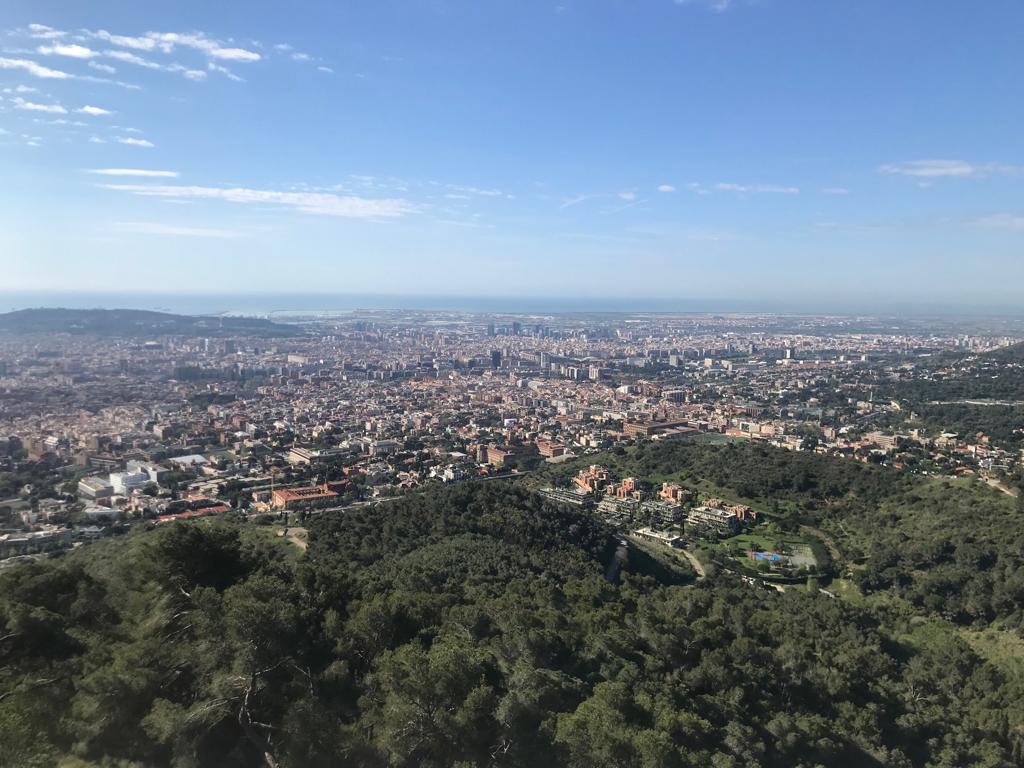
Title: Assessing the short-term air quality health impact from land-use changes during heatwaves: A health impact assessment in Barcelona Metropolitan Area / Heatwaves amplify air pollution, increasing public health risks, particularly in urban areas where land use influences the distribution of pollutants. This study examines the short-term health effects of air pollution during a two-week heatwave in the Barcelona Metropolitan Area under different land use scenarios.

New publication in “Journal of Geophysical Research: Atmospheres”

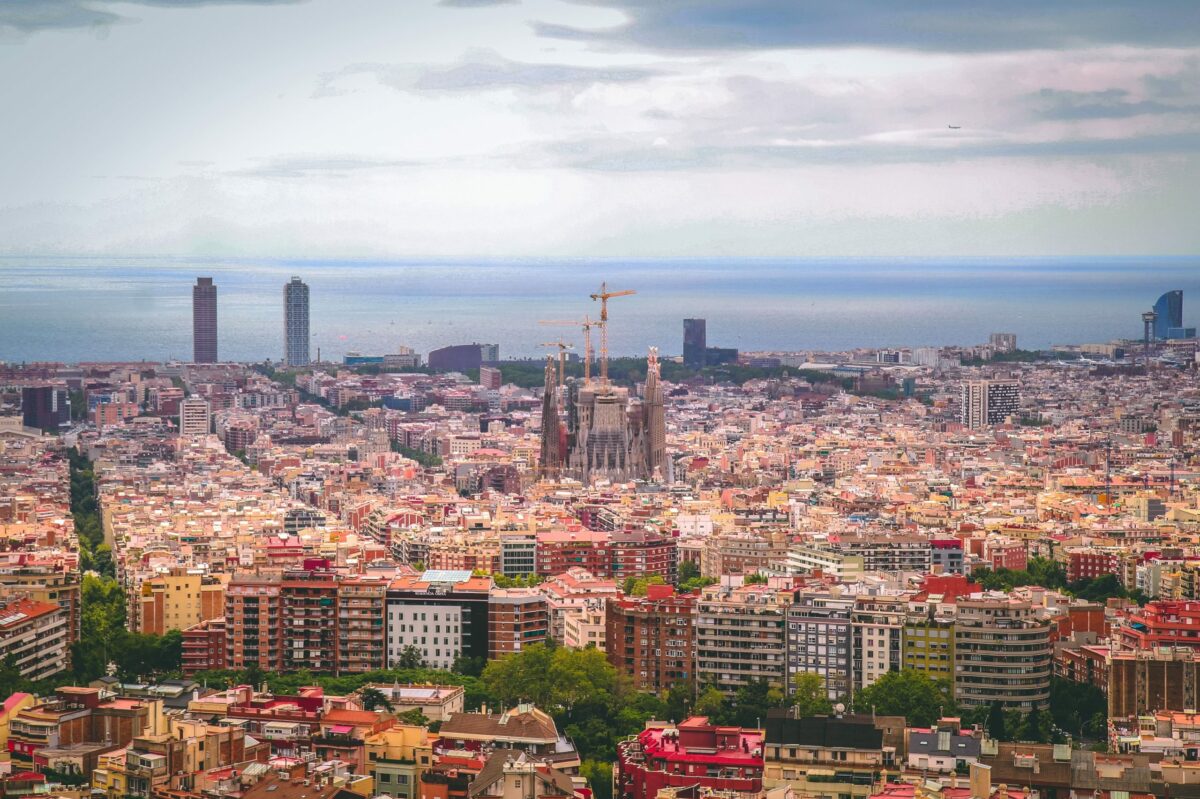
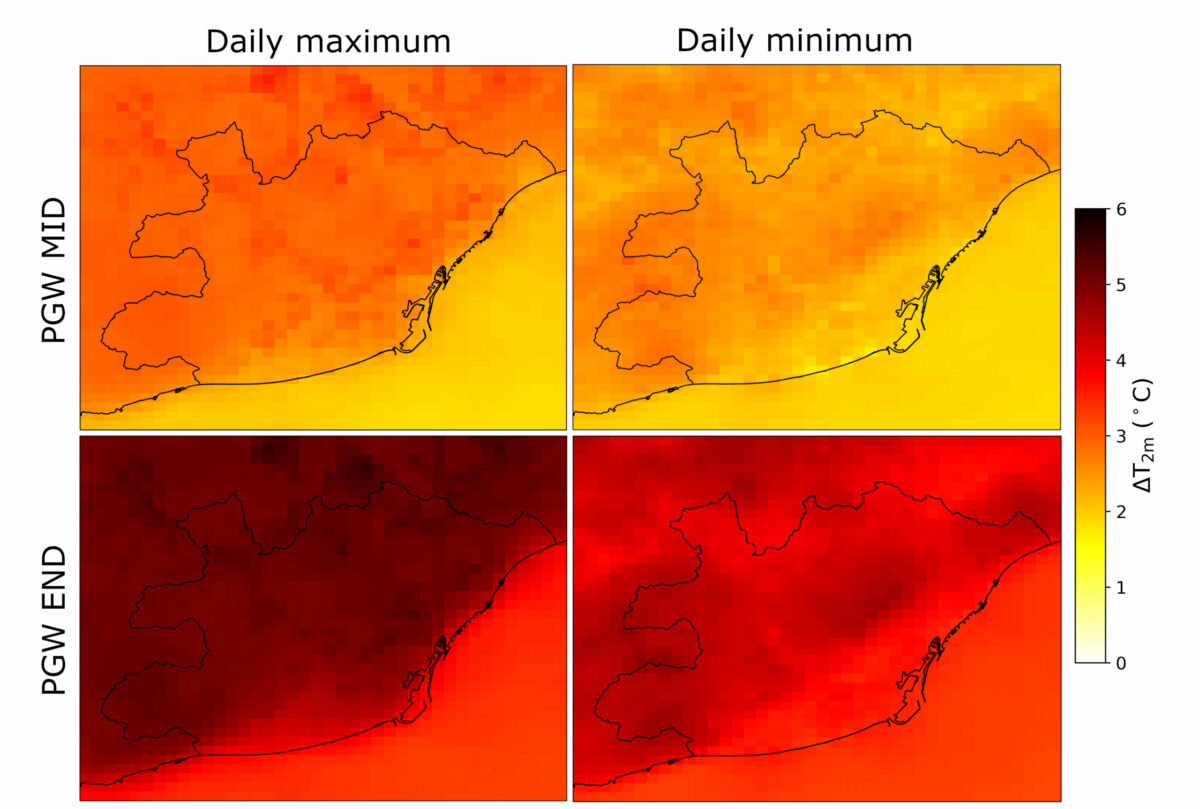
Title: Assessing the Intensity of Heatwaves in a Warming Climate at the Urban Scale: A Case Study of the Metropolitan Area of Barcelona/ Further understanding of the potential impact of future climate change on urban areas is needed. In this regard, we project recent heatwave (HW) episodes in the Metropolitan Area of Barcelona (AMB) with future climate conditions until 2100 using the pseudo global warming method.

New publication in “Sustainable Cities and Society”

Title: Bridging local and global vulnerabilities for an integrated assessment of nature-based solutions/ Nature-based solutions (NBSs) can address socio-ecological challenges in urban environments, such as climate change adaptation and biodiversity conservation, but their local and global impacts are often not fully assessed. Stakeholder workshops serve to weigh the relative importance of impacts on vulnerabilities.

New publication in “Ecological Indicators”

Title: A social-ecological-technological vulnerability approach for assessing urban hydrological risks/ In the context of urban population growth and climate change, and ever greater number of people are anticipated to face severe risks associated with extreme climate events; major ones are due to stormwater-related hazards. This study offers novel understanding of the complex nature of water-related risks in urban geographies

URBAG research highlighted in AGU Special Collection

This acknowledgment reflects the high-quality research and collaborative efforts of the URBAG team in addressing critical challenges related to climate change and urban ecosystems. We are thrilled to see our work recognized on such an esteemed platform and remain committed to producing impactful scientific contributions.

New publication in “Environment International”

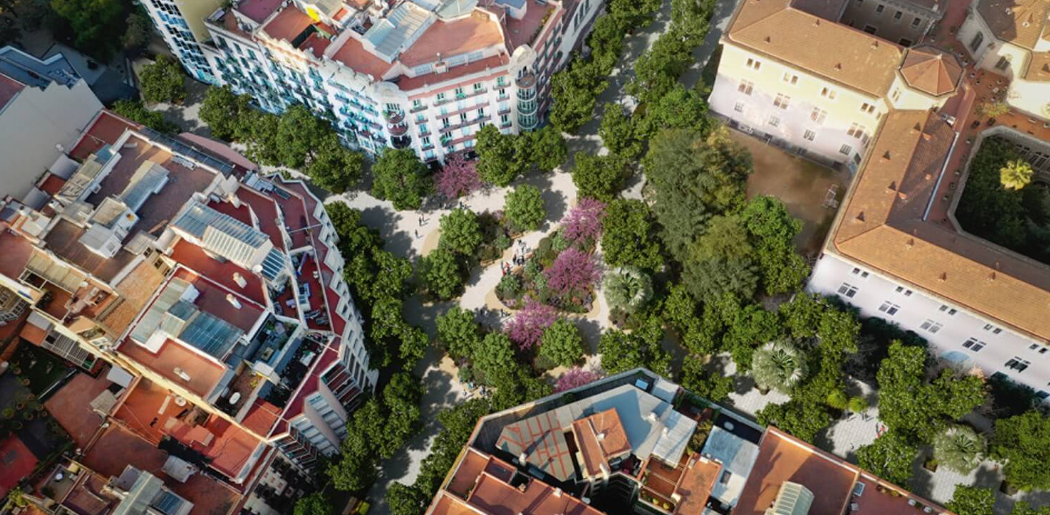
Title: Co-benefits of nature-based solutions: A health impact assessment of the Barcelona Green Corridor (Eixos Verds) plan/ With the complete implementation of the Eixos Verds, 183 premature deaths could be averted annually (178 preventable deaths due to increase in GS alone, 5 preventable deaths through GS heat reductions), underscoring the critical role of urban greening in improving public health.

New publication in “Global Biogeochemical Cycles”

Title: Heat and Drought Events Alter Biogenic Capacity to Balance CO2 Budget in South-Western Europe/ Heat and drought events are increasing in frequency and intensity, posing significant risks to natural and agricultural ecosystems with uncertain effects on the net ecosystem CO2 exchange. The current Vegetation Photosynthesis and Respiration Model (VPRM) was adjusted to include soil moisture impacts on the gross ecosystem exchange and respiration.