New publication in “Urban Climate”

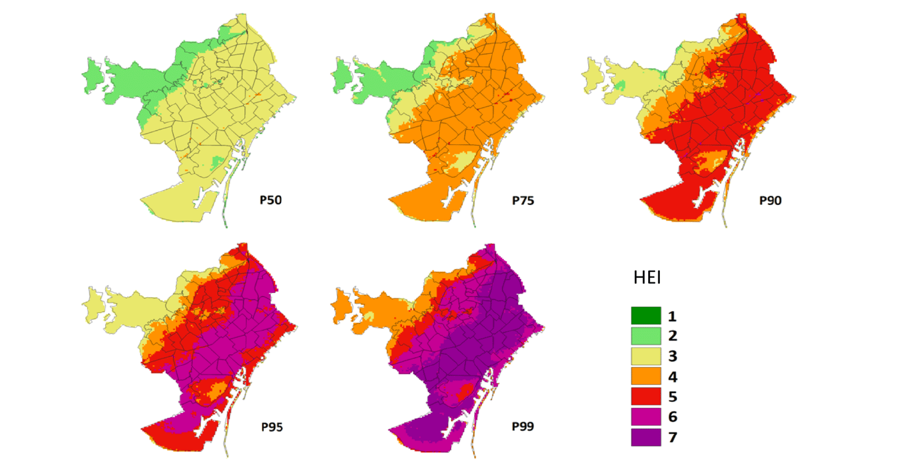
Title: Adapting urban areas to rising temperatures: Strategies to reduce heat and vulnerability in a warming world / The need for cities to prepare for the increasing frequency, persistence, and intensity of heat waves (HWs) makes modeling these events essential for evaluating the effectiveness of heat adaptation strategies.

ERC report: Transformative change for a sustainable future

In December, the European Research Council (ERC) published a groundbreaking report addressing this vital question. URBAG joined forces with over 300 ERC-funded projects to shed light on the concept of transformative change and its potential to create a just and sustainable future. The report explores strategies to scale up sustainability while protecting the environment.

Workshop: Green roofs in Oslo by 2030

Green roofs in Oslo by 2030: Stakeholder workshop for co-creating a common understanding of green roofs’ impacts and relevance for the city / An online participatory workshop was conducted involving various stakeholders from the public, academic, and private sectors. URBAG has undertaken the challenge of creating new green spaces within urban environments by evaluating how green roofs can impact local and global vulnerabilities.

Publication in Frontiers in Sustainable Food Systems

The COVID-19 pandemic unveiled the fragility of food sovereignty in cities and confirmed the close connection urban dwellers have with food. Although the pandemic was not responsible for a systemic failure, it suggested how citizens would accept and indeed support a transition toward more localized food production systems.

Publication in Journal of Industrial Ecology

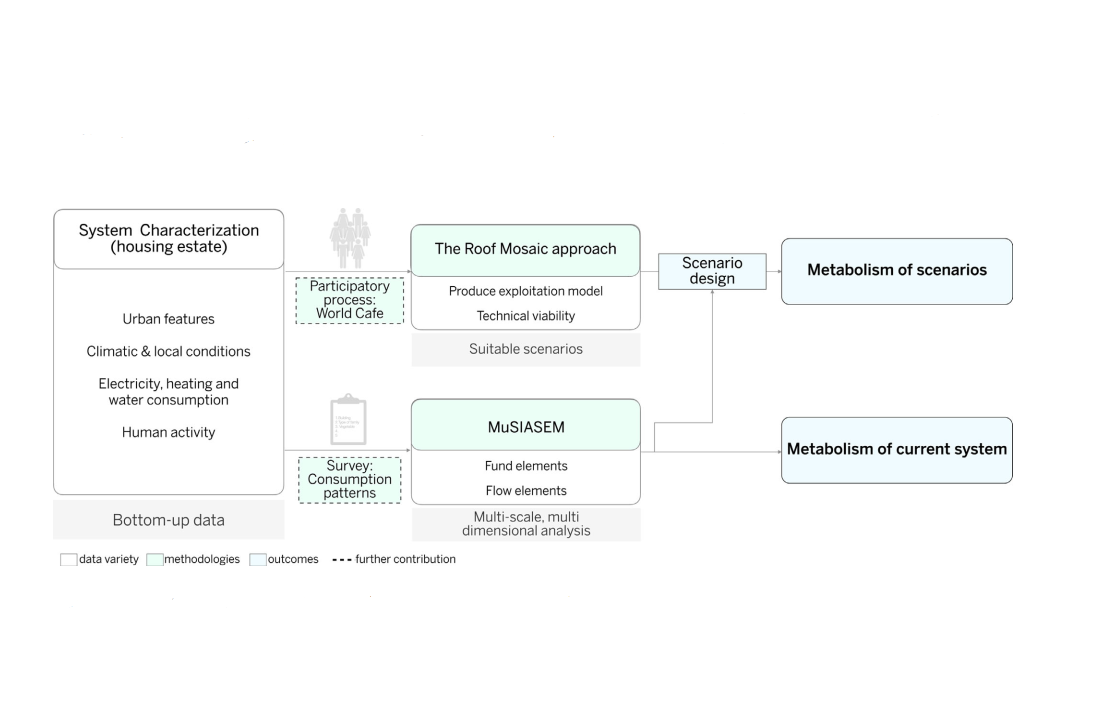
Housing estates, that is, mass social housing on middle‐ and high‐rise apartment blocks, in urban areas are found all over the world with very similar constructive patterns and a multiplicity of environmental and socio‐economic problems. Boosting new urban spaces of resource production involves citizens in sites which face social and economic needs.

Publication in Landscape and Urban Planning

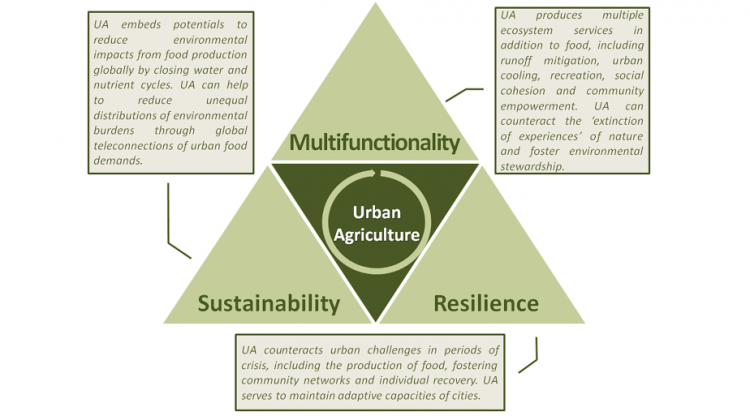
The Covid-19 pandemic newly brings food resilience in cities to our attention and the need to question the desired degree of food self-sufficiency through urban agriculture. We argue in this essay that this development has widely taken place due to three blind spots in urban planning.