New preprint: The role of soil moisture and shading in influencing the capacity of urban street trees to reduce heat stress

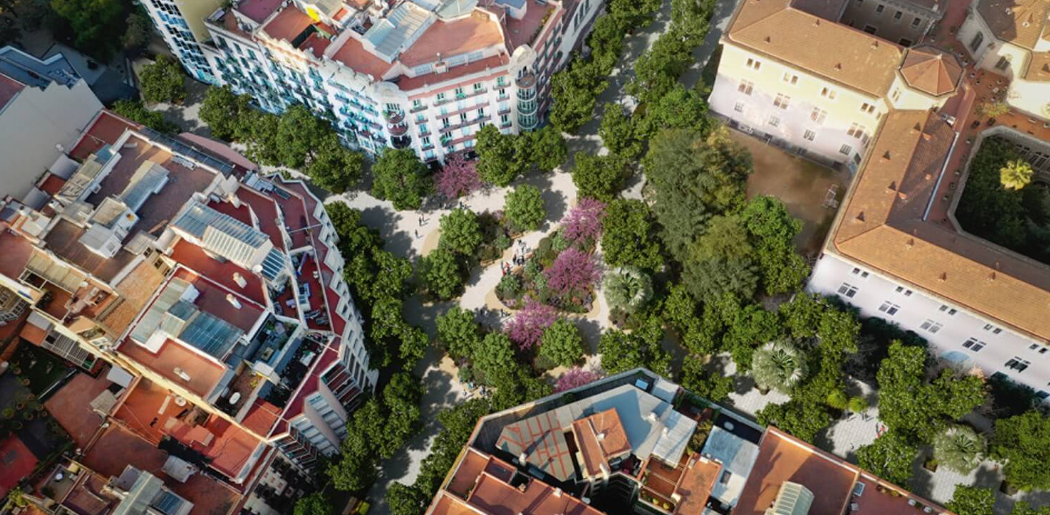
Title: The role of soil moisture and shading in influencing the capacity of urban street trees to reduce heat stress / Street trees can significantly reduce urban heat through shading and transpirative cooling, but their effectiveness may be compromised during heat waves with dry soil conditions. This study assesses the cooling potential of street trees using a modified BEP-Tree model.
New preprint: Adapting Urban Areas to Rising Temperatures: Strategies to Reduce Heat and Vulnerability in a Warming World

Title: Adapting urban areas to rising temperatures: strategies to reduce heat and vulnerability in a warming world / The need for cities to prepare for the increasing frequency, persistence, and intensity of heat waves (HWs) makes modeling these events essential for evaluating the effectiveness of heat adaptation strategies in the near future.

New preprint: Effect of land use changes on air quality: Impacts of urbanization, urban vegetation, and agriculture

Title: Effect of land use changes on air quality: Impacts of urbanization, urban vegetation, and agriculture / Urbanization transforms natural landscapes into impervious surfaces, altering local climate and air quality. Greening strategies are increasingly adopted to mitigate these effects, yet their efficacy depends on complex interactions among land use, urban form, geography, and climate.

New publication in “Urban Climate”

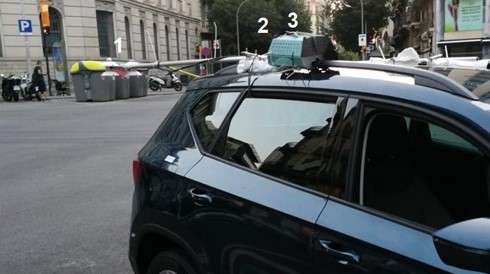
Title: How do street trees affect urban temperatures and radiation exchange? Observations and numerical evaluation in a highly compact city / Street trees are an important driver of street microclimate through shading and transpirative cooling, which are key mechanisms for improving thermal comfort in urban areas. Urban canopy models (UCM) with integrated trees are useful tools because they represent the impacts of street trees on neighborhood-scale climate.