The Faculty of Communication Sciences at the Autonomous University of Barcelona (UAB) hosted the International deSignis Colloquium, “The Effectiveness of Signs,” on June 3, 2026. The event brought together leading researchers from Latin America and Spain to explore how the circulation, materiality, and power of signification processes shape today’s public sphere.
Organised by the Latin American Journal of Semiotics deSignis and the Laboratory for Foresight and Research in Communication, Culture and Cooperation (LAPREC), with the support of UAB’s Department of Journalism and Communication Sciences, the colloquium gathered scholars from a range of institutions to discuss contemporary issues through interdisciplinary approaches. The opening sessions were moderated by Dr Eliseo Colón Zayas, professor at the University of Puerto Rico, and Dr Teresa Velázquez García-Talavera, emeritus professor at UAB, who serve respectively as director and deputy director of deSignis.
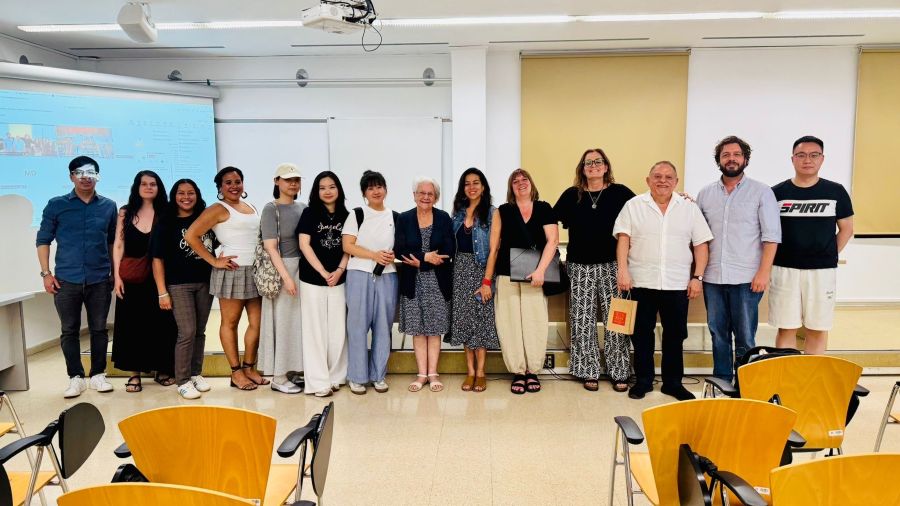
In the first part of the event, Dr Colón Zayas reflected on emerging paradigms surrounding the effectiveness of signs. Dr Velázquez then introduced the latest issue of the journal and invited Dr Marita Soto, from the National University of the Arts in Argentina and coordinator of issue 45, “Semiotics of Everyday Life,” to present the publication. The issue expands semiotic analysis into the sphere of everyday experiences and ordinary life.
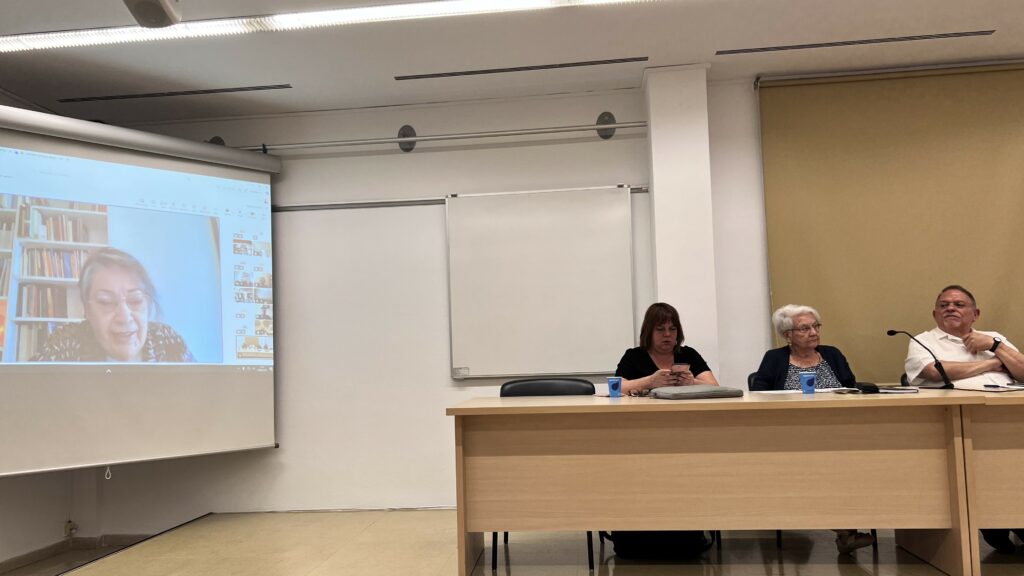
The roundtable session, “Presentation of the Upcoming Issues of the Circulations Series,” was moderated by Dr Núria Simelio Solà, co-director of LAPREC. During the session, Dr Colón Zayas presented the forthcoming issue “Cybercultures in Dispute: Algorithms, Power and Meaning,” which proposes a critical, interdisciplinary, and methodologically reflective approach to understanding how meaning is produced, circulated, and regulated within today’s digital and semiotic ecosystem. Dr Velázquez also presented “Discursive Frontiers: Women in Migratory Contexts, Trajectories, Strategies and Subjectivities,” an issue that will further explore questions of gender and intercultural communication.
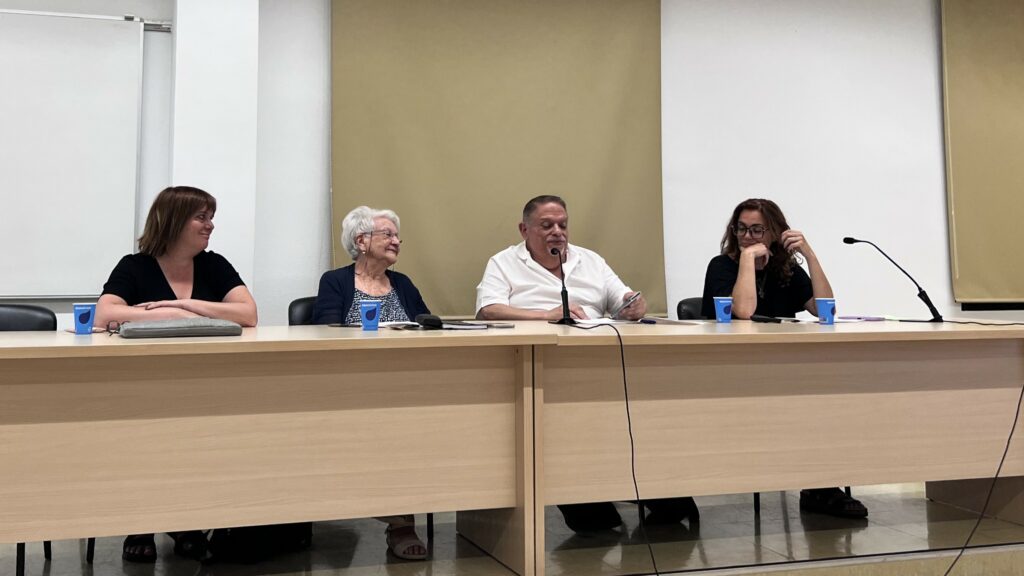
Finally, Dr Ricardo Carniel Bugs, co-director of LAPREC, introduced the guest speaker, Dr Marta Rizo García, from the Autonomous University of Mexico City, who delivered the lecture “Theoretical and Methodological Aspects for Addressing Intercultural Communication from a Gender Perspective.”
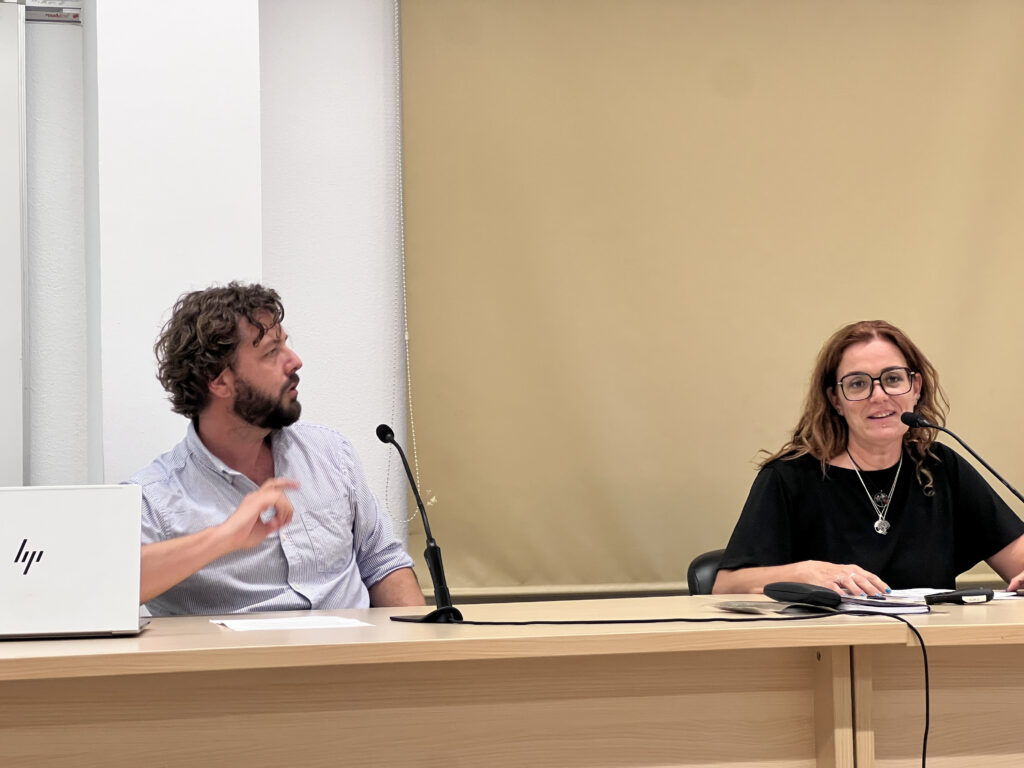
With more than two decades of editorial history, 45 published issues, and three Hors Série editions, deSignis continues to strengthen its position as a leading international platform for critical reflection on semiotic processes and their impact on social, cultural, and political dynamics.