New publication in “Urban Sustainability”

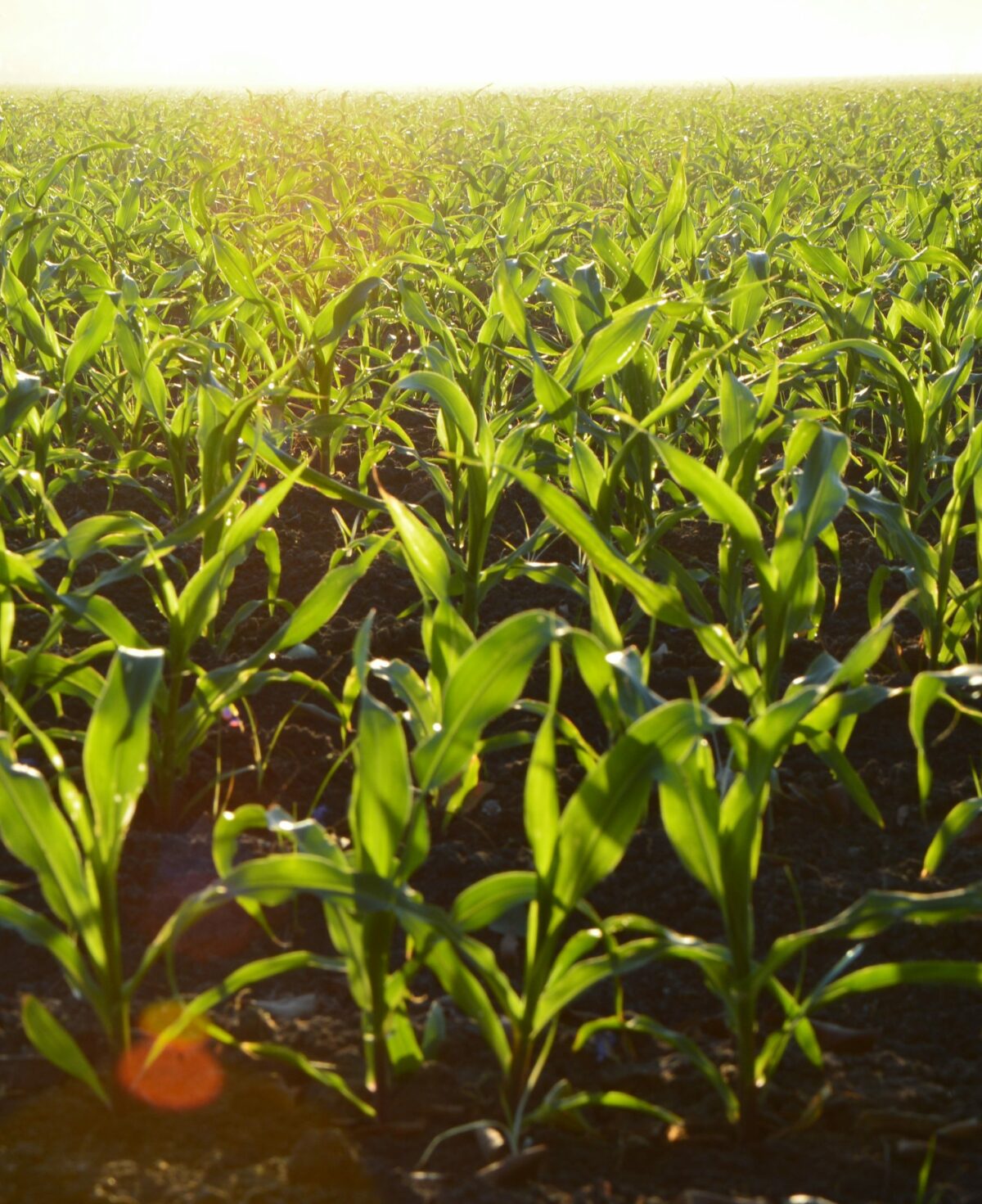
Title: Effect of land use changes on air quality: impacts of urbanization, urban vegetation, and agriculture / Urbanization converts natural landscapes into impervious surfaces, altering local climate and air quality. Greening strategies are adopted to mitigate these effects, yet their effectiveness depends on land use, urban form, geography, and climate interactions.

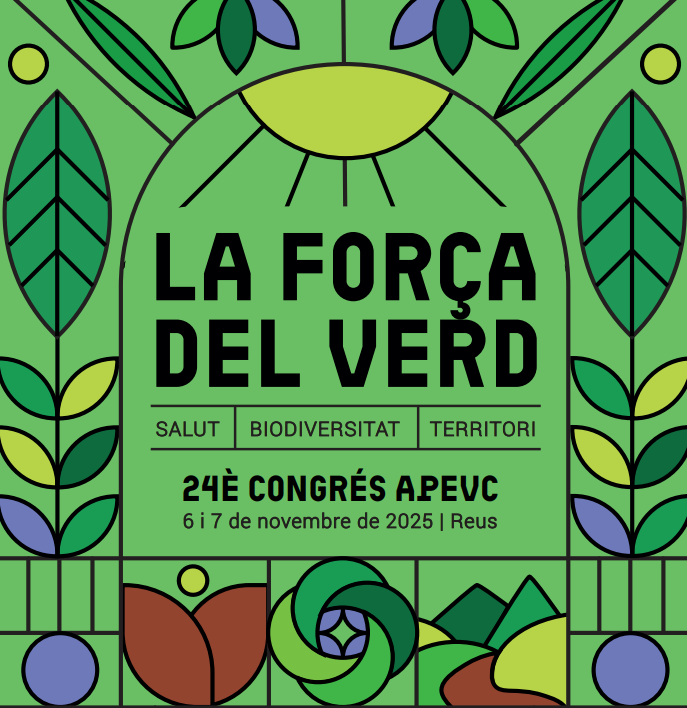
Gara Villalba presenta l’ús estratègic de la poda per a la regeneració de sòls al 24è Congrés de l’APEVC

El 6 de novembre, Gara Villalba va presentar la seva recerca titulada "Circularitat per Regenerar: El Paper del Carboni i els Nutrients en la Salut del Sòl" al 24è Congrés de l’APEVC, un esdeveniment clau celebrat a la Fira de Reus destinat a posar en valor el paper estratègic del verd en la salut pública i la configuració d’un territori més habitable.

Presentation at the RESPIRE-CLIMA workshop

On 12nd November, Qing Luo presented her work at the RESPIRE-CLIMA workshop, a key event aimed at strengthening the greenhouse gas (GHG) emissions monitoring system in Spain. Organized by the Barcelona Supercomputing Center – National Supercomputing Centre (BSC-CNS) and AEMET, the workshop brought together more than 80 participants both onsite and online.

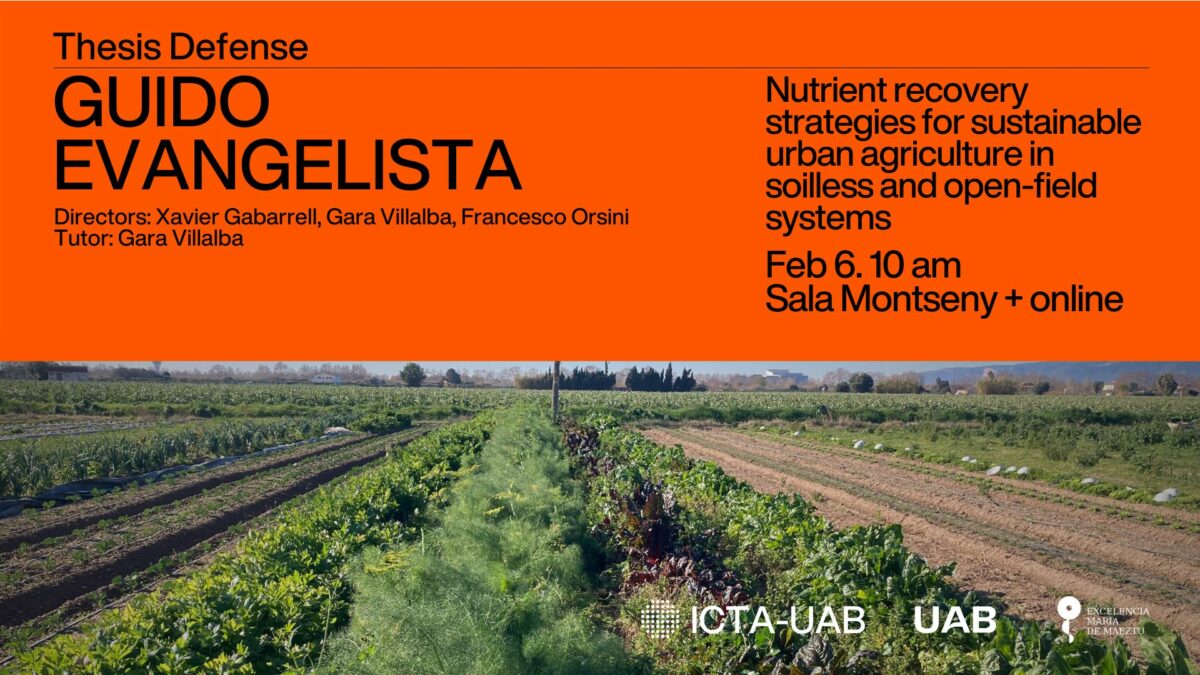
New preprint: Applying Recovered Nutrients and Pruning Waste to Enrich and Regenerate Agricultural Soils in Urban Agriculture: Effects on Emissions and Yield of Spinach and Sweet Potato

Title: Applying Recovered Nutrients and Pruning Waste to Enrich and Regenerate Agricultural Soils in Urban Agriculture: Effects on Emissions and Yield of Spinach and Sweet Potato / Nutrient recovery from urban waste can substitute chemical fertilizers, but nutrient cycling in depleted soils can be ineffective. A promising strategy is the incorporation of unstable, carbon-rich biomass waste, which can regenerate soil while closing carbon and nutrient loops.

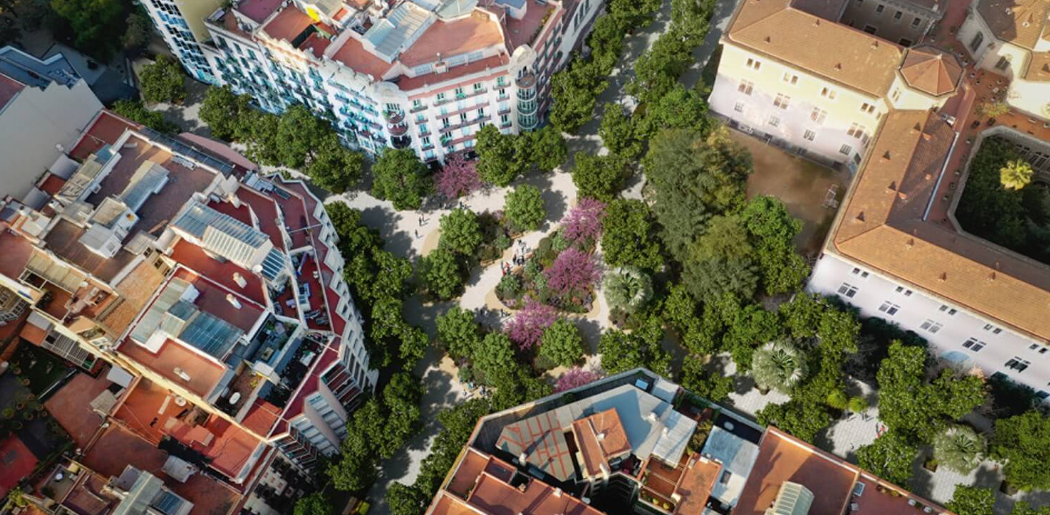
New preprint: The role of soil moisture and shading in influencing the capacity of urban street trees to reduce heat stress

Title: The role of soil moisture and shading in influencing the capacity of urban street trees to reduce heat stress / Street trees can significantly reduce urban heat through shading and transpirative cooling, but their effectiveness may be compromised during heat waves with dry soil conditions. This study assesses the cooling potential of street trees using a modified BEP-Tree model.

New publication in “Environmental Research”

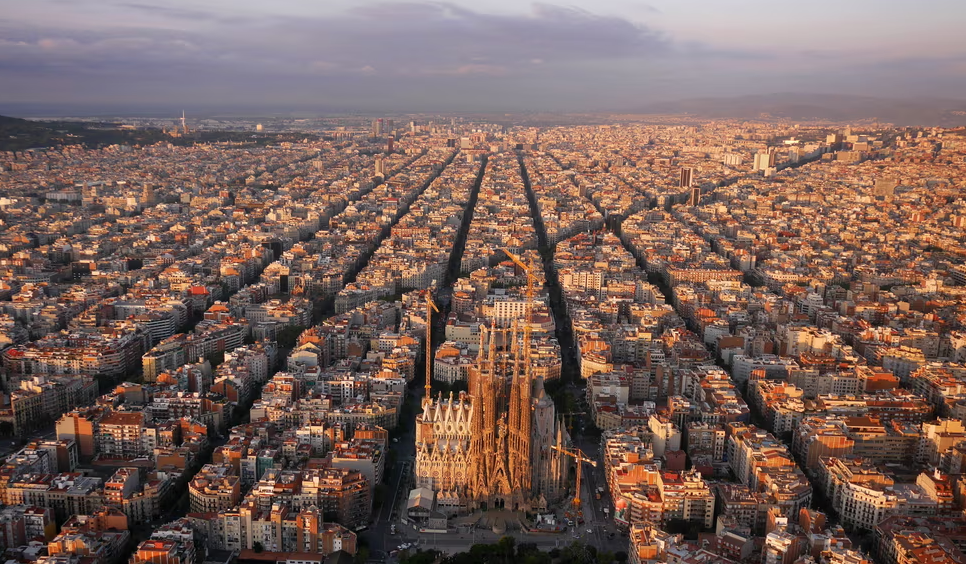
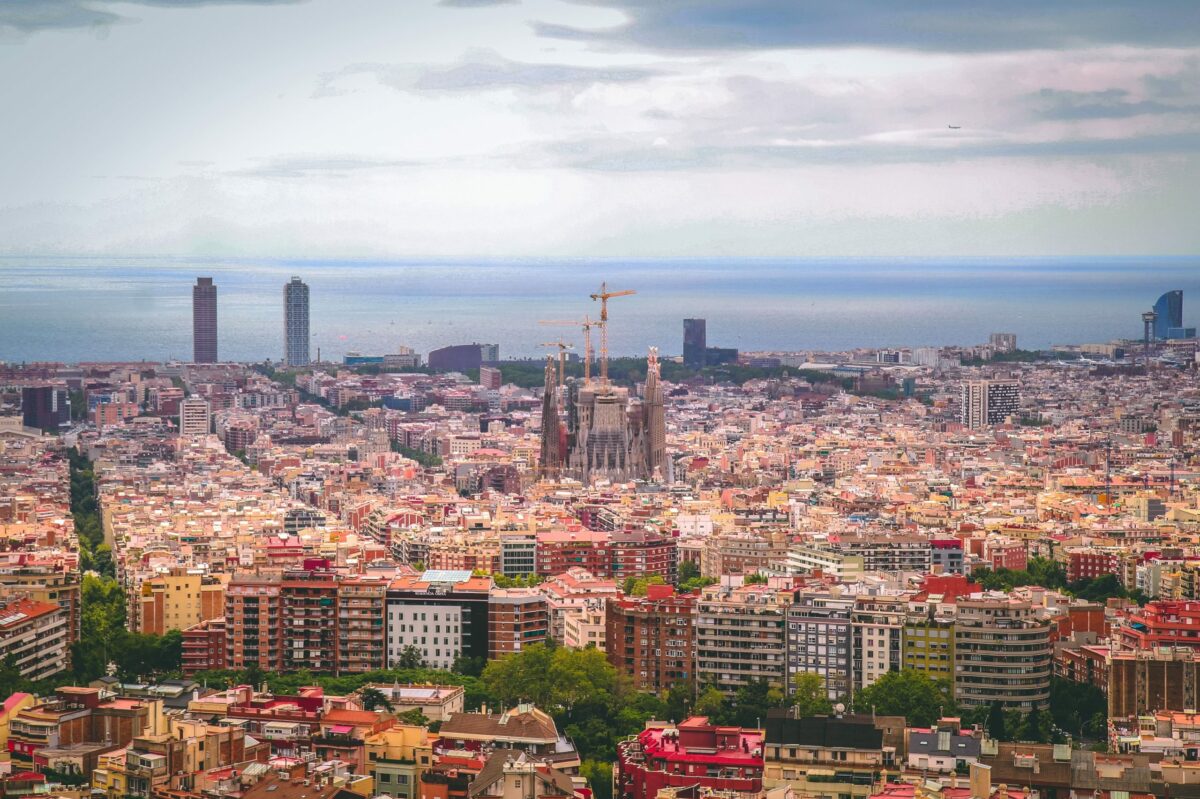
Title: Assessing the short-term air quality health impact from land-use changes during heatwaves: A health impact assessment in Barcelona Metropolitan Area / Heatwaves amplify air pollution, increasing public health risks, particularly in urban areas where land use influences the distribution of pollutants. This study examines the short-term health effects of air pollution during a two-week heatwave in the Barcelona Metropolitan Area under different land use scenarios.

New publication in “Journal of Geophysical Research: Atmospheres”

Title: Assessing the Intensity of Heatwaves in a Warming Climate at the Urban Scale: A Case Study of the Metropolitan Area of Barcelona/ Further understanding of the potential impact of future climate change on urban areas is needed. In this regard, we project recent heatwave (HW) episodes in the Metropolitan Area of Barcelona (AMB) with future climate conditions until 2100 using the pseudo global warming method.

Presentations at the ISIE Singapore 2025

From July 1 to 4, 2025, the 12th International Conference on Industrial Ecology was held at the National University of Singapore, bringing together researchers, engineers, and policymakers from around the world to share knowledge in the field of industrial ecology. Juan David Arosemena and Guido Evangelista participated by presenting the results of their respective studies through two scientific posters.

New preprint: Adapting Urban Areas to Rising Temperatures: Strategies to Reduce Heat and Vulnerability in a Warming World

Title: Adapting urban areas to rising temperatures: strategies to reduce heat and vulnerability in a warming world / The need for cities to prepare for the increasing frequency, persistence, and intensity of heat waves (HWs) makes modeling these events essential for evaluating the effectiveness of heat adaptation strategies in the near future.