New publication in “Urban Climate”

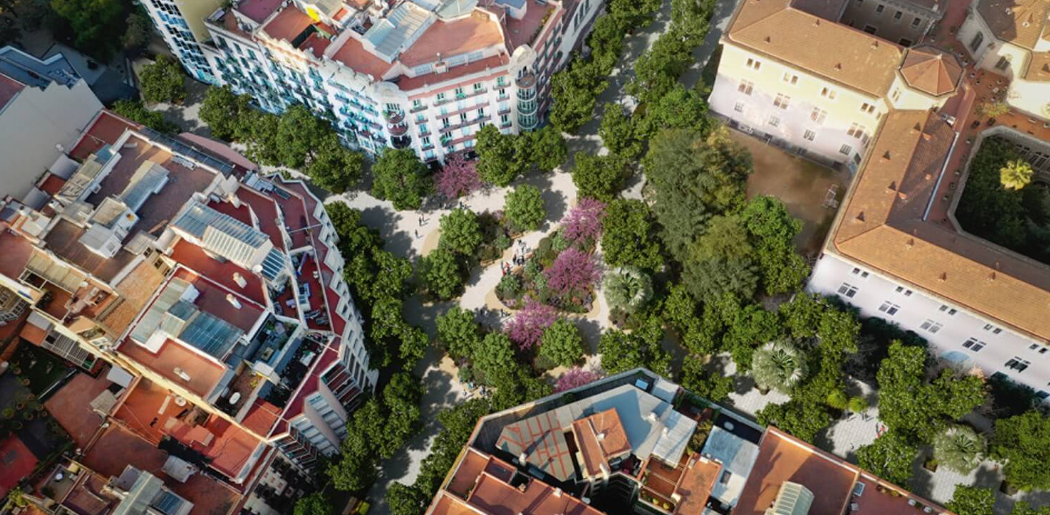
Title: Adapting urban areas to rising temperatures: Strategies to reduce heat and vulnerability in a warming world / The need for cities to prepare for the increasing frequency, persistence, and intensity of heat waves (HWs) makes modeling these events essential for evaluating the effectiveness of heat adaptation strategies.

New preprint: The role of soil moisture and shading in influencing the capacity of urban street trees to reduce heat stress

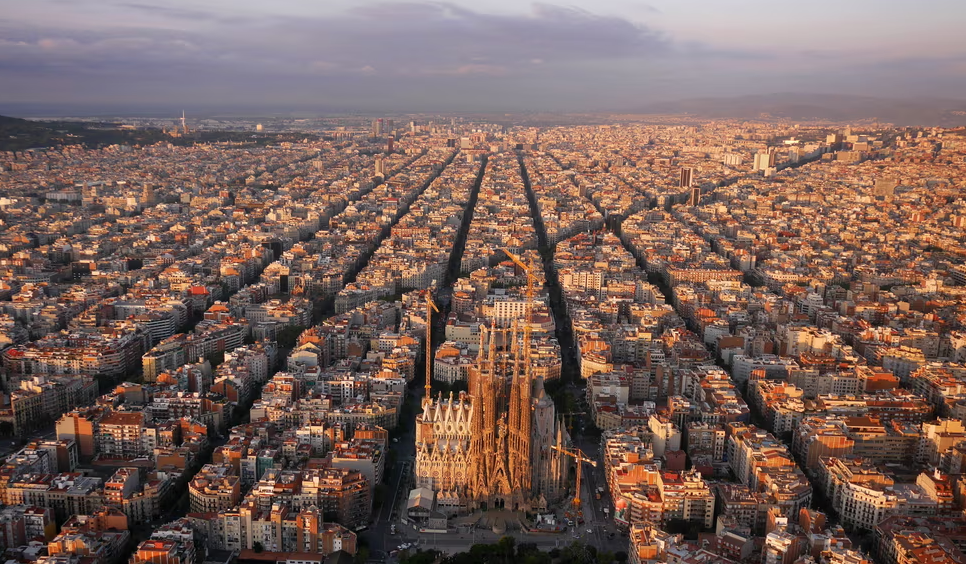
Title: The role of soil moisture and shading in influencing the capacity of urban street trees to reduce heat stress / Street trees can significantly reduce urban heat through shading and transpirative cooling, but their effectiveness may be compromised during heat waves with dry soil conditions. This study assesses the cooling potential of street trees using a modified BEP-Tree model.

New preprint: Adapting Urban Areas to Rising Temperatures: Strategies to Reduce Heat and Vulnerability in a Warming World

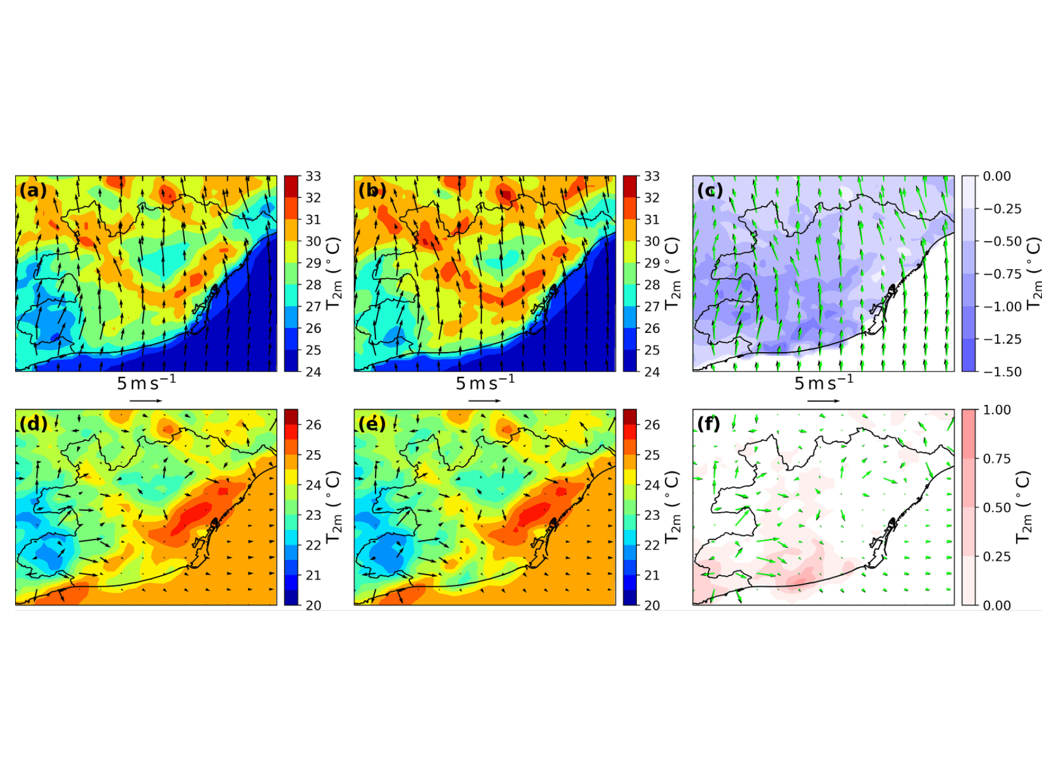
Title: Adapting urban areas to rising temperatures: strategies to reduce heat and vulnerability in a warming world / The need for cities to prepare for the increasing frequency, persistence, and intensity of heat waves (HWs) makes modeling these events essential for evaluating the effectiveness of heat adaptation strategies in the near future.

Publication in Urban Climate

Title: Sensitivity study of PBL schemes and soil initialization using the WRF-BEP-BEM model over a Mediterranean coastal city / Due to increased urbanization and global warming, cities are experiencing more heat wave (HW) events that cause extreme heat stress. To mitigate such effects, a better understanding of the impact of urban morphology on the boundary layer development is needed.