Mutagenesis and carcinogenesis induced by micro and nanoplastics

This research line studies the genotoxic and carcinogenic potential of micro- and nanoplastics (MNPLs), as well as the molecular mechanisms involved in their adverse effects on human health. The group investigates processes such as oxidative stress, DNA damage, epigenetic and transcriptomic alterations, as well as cellular transformation associated with acute and chronic exposures. The role of contaminants associated with plastics, such as chemical additives or adsorbed metals, in the potentiation of toxic and carcinogenic effects is also evaluated.
Human biomonitoring

The group develops human biomonitoring studies to assess the real exposure of the population to micro- and nanoplastics and their associated compounds. This line includes the analysis of human biological samples, such as blood, urine, feces or respiratory samples, with the aim of determining levels of internal exposure and identifying early biological effects. The studies focus especially on occupationally exposed cohorts and vulnerable populations, also integrating social and environmental factors related to exposure.
Biomarker Discovery
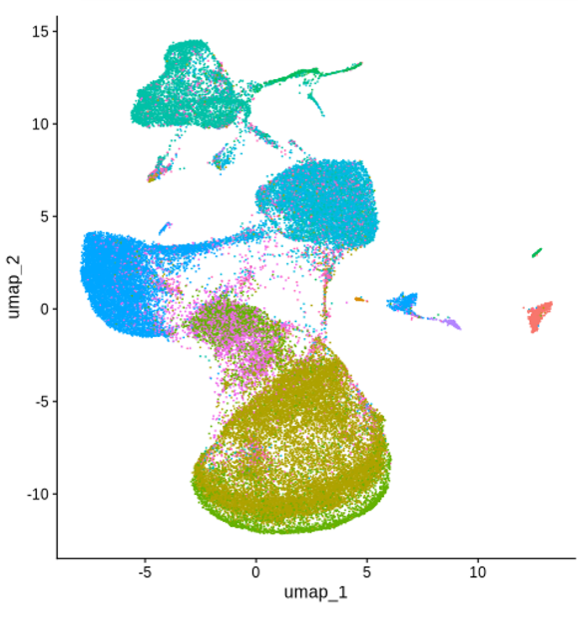
This line is focused on the identification and validation of new biomarkers of exposure and effect associated with micro- and nanoplastics. Using multi-omic approaches (genomics, transcriptomics, epigenomics, metabolomics and proteomics), the group investigates molecular signatures capable of predicting early biological alterations, inflammatory processes, immunotoxicity or long-term effects. The aim is to develop innovative tools useful for risk assessment and human health surveillance.
Development of innovative methodologies and New Approach Methodologies (NAMs)
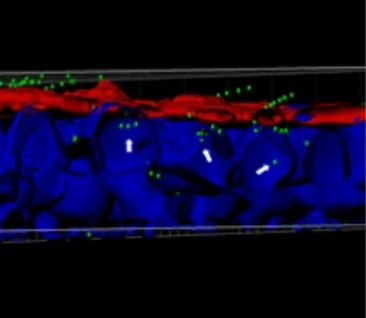
The group develops and applies innovative methodologies to study the effects of emerging pollutants using alternative and advanced models relevant to human health. This line includes in vitro systems based on complex pulmonary and gastrointestinal epithelial barriers, ex vivo models using human blood and alternative in vivo models such as Drosophila melanogaster. Computational, bioinformatics and kinetic models are also integrated to study biodistribution, bioaccumulation and mechanisms of action of pollutants.
Effects of emerging pollutants on the human gastrointestinal microbiota
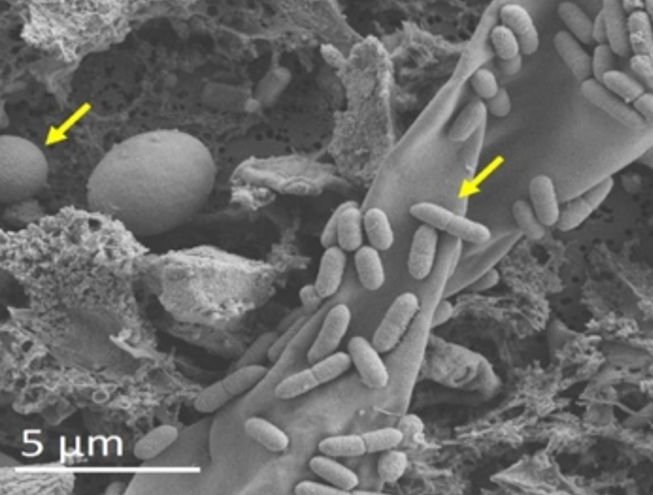
This line investigates the impact of micro- and nanoplastics and other emerging contaminants on the balance and functionality of the human gastrointestinal microbiota. The group studies how these contaminants can induce dysbiosis, alter the intestinal microbial composition and affect processes related to inflammation, immunity or metabolism. The bidirectional interaction between microbiota and contaminants is also evaluated, as well as the identification of microorganisms potentially useful as biomarkers of intestinal alteration.
Real-life nanoplastics production and characterization
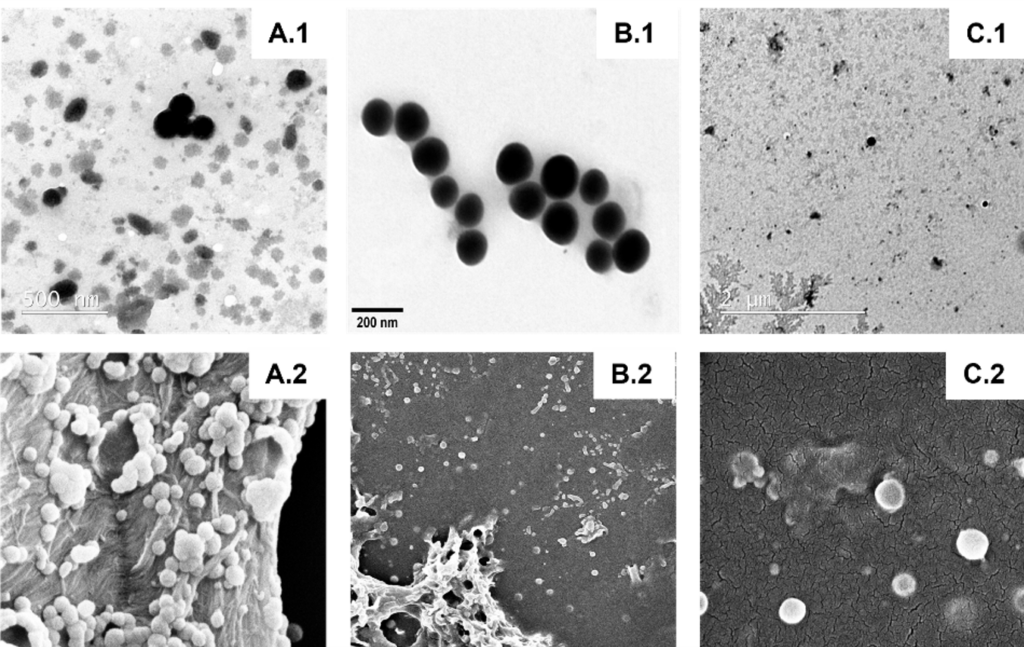
The group works on the generation of environmentally relevant micro and nanoplastic materials (real-life nanoplastics) through degradation and fragmentation processes that simulate real environmental conditions. This line includes the production of different types of polymers, as well as their detailed physicochemical characterization in terms of size, shape, surface charge, composition and presence of additives or associated contaminants. The objective is to have representative and comparable materials to improve the robustness of toxicological and risk assessment studies.