-
ATRAPA project findings at ICAP 2026 in Florence
ATRAPA researchers Oriol Marquet and Monika Maciejewska participated in the International Congress of Applied Psychology (ICAP 2026), held on 21-25 in Florence, Italy, presenting the recent findings from the ATRAPA Barcelona case study. Oriol Marquet presentation “Fairness and Trust Shape Public Support for Street Transformations: Evidence from Barcelona” (co-author: Monika Maciejewska) in the Urban &…
-
ATRAPA researchers present new findings at the NECTAR’26 Conference
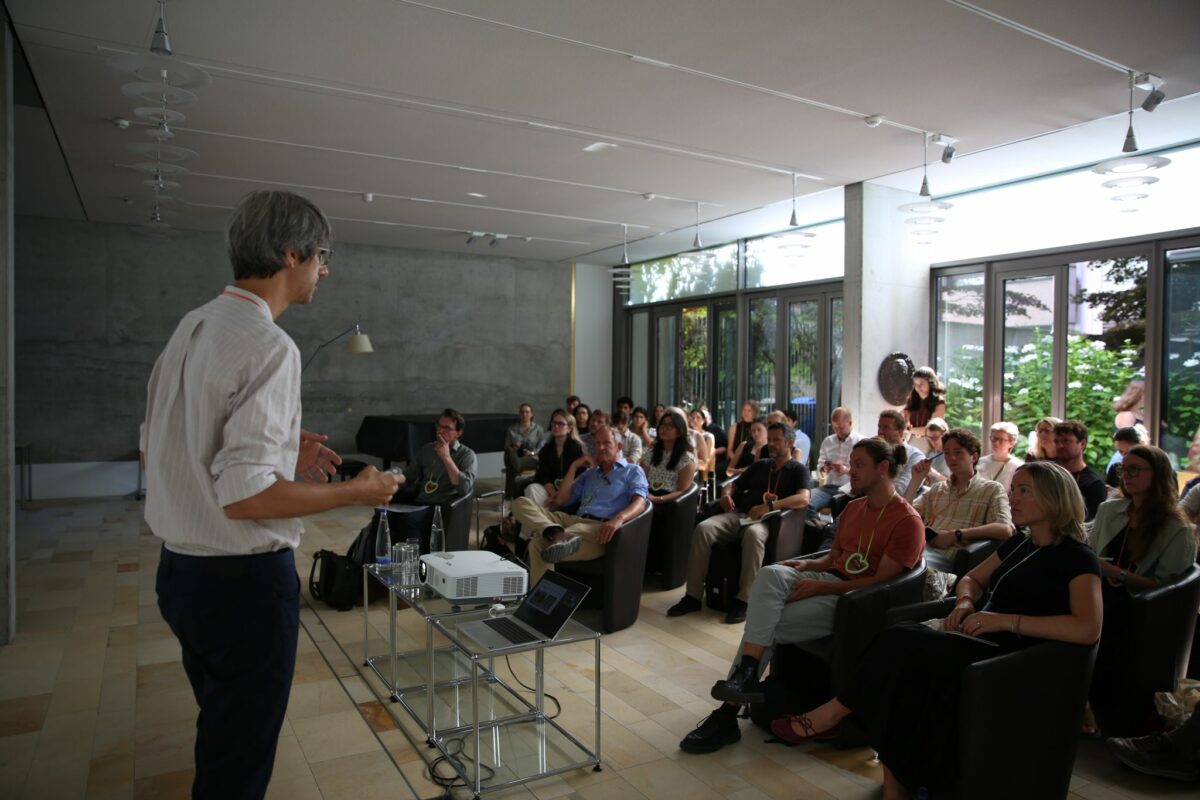
ATRAPA researchers participated in the 18th International NECTAR Conference, held in Munich, Germany, from 13 to 15 July 2026, under the theme Planning for Urban Mobility Transitions in Times of Uncertainty. The conference, organized by the Network on European Communications and Transport Activity Research (NECTAR), is one of the leading European forums dedicated to research in mobility, transport,…
-
World Conference on Transport Research Society (WCTRS) 2026 in Toulouse
ATRAPA researchers participated in the World Conference on Transport Research Society (WCTRS) 2026, held in Toulouse, France, from 6 to 10 July 2026. The conference brought together transport researchers and practitioners from around the world to discuss current challenges and innovations in mobility, accessibility, transport policy, and urban development. On 9 July 2026, Oriol Marquet…
-
ATRAPA research presented at the World Planning Schools Congress 2026
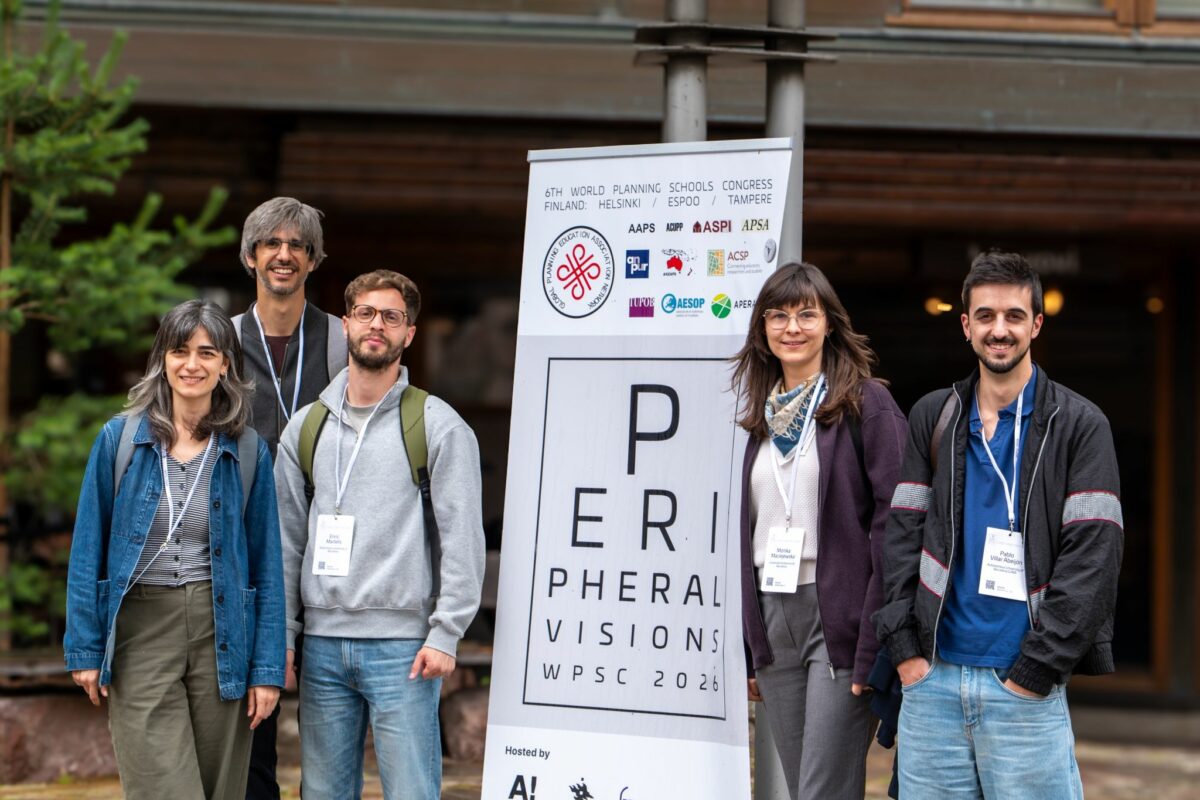
Various ATRAPA researchers participated in the World Planning Schools Congress 2026 (WPSC2026), held 29 June – 3 July 2026 at Aalto University in Helsinki, Finland, under the theme “Peripheral Visions – Rethinking Planning.” During the conference, Serena Mombelli presented the paper “Media Framing and Political Discourse of Barcelona’s Urban Transformations (2016-2024),” developed within the ERC-funded…
-
ATRAPA at IAPS 2026 Conference
ATRAPA pre-doctoral researcher Iker Etxarte Sunsundegi participated in the International Association for People-Environment Studies (IAPS 2026) Conference, held at the University of Surrey (United Kingdom) from 29 June to 3 July 2026 under the theme “Sustainability as Wellbeing: Towards Healthy, Green, and Equitable Communities.” During the conference, Iker presented a poster titled “Applying Moral Foundations…
-
ATRAPA research contributes to discussions on healthier and more sustainable cities at UBDPolicy workshop

On 10-11 June 2026, ATRAPA and GEMOTT researchers participated in the two-day UBDPolicy Workshop, “How to Make Impact: From Science to Practice – Bridging the Gap Between Research and Real-World Action to Create Healthier, More Sustainable Cities,” held in Barcelona. The event was organised by Barcelona Institute for Global Health (ISGlobal) and the UBDPolicy project.…
-
ATRAPA research presented at WSTLUR 2026 in Beijing

Eugeni Vidal Tortosa represented the ATRAPA project at the 6th World Symposium on Transport and Land Use Research (WSTLUR 2026), held in Beijing, China, from 7-11 June 2026. As part of the Active Travel and Micromobility track, Eugeni presented the work Can We Trust OpenStreetMap to Measure Cycling Infrastructure Change? A Reproducible Validation Framework Using…
-
Returning to Warsaw: Following the Transformation of the City Centre
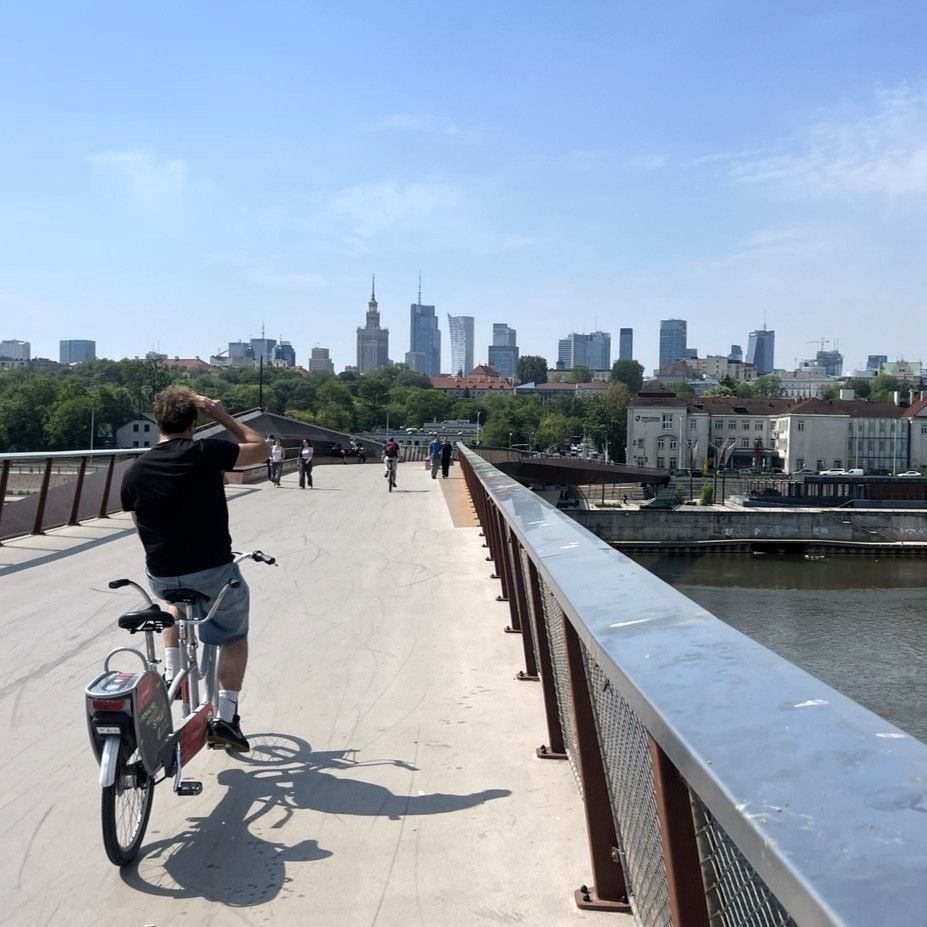
After a year and a half, the ATRAPA team returned to Warsaw this May to observe how the Nowe Centrum Warszawy—New Centre of Warsaw (NWC)—programme is progressing and transforming the city. During our visit, we walked through the core areas of the NWC project, including Plac Centralny, Plac Pięciu Rogów, Zgoda Street and Złota Street.…
-
New Publication Explores Proximity, Amenities and Housing Affordability in Mediterranean 15-Minute Cities

A new article by Pablo Villar-Abeijón, Carme Miralles-Guasch and Oriol Marquet has been published in Cities. The paper, titled “The impact of proximity to amenities on housing affordability: Insights from Mediterranean 15-minute cities”, examines how access to everyday amenities relates to rental prices in Barcelona, Valencia, Palma and Granada.Read more about the publication here. The…
-
New Publication Examines the Commercial Effects of Pedestrianisation in Barcelona

A new article by Pablo Villar-Abeijón, Carme Miralles-Guasch and Oriol Marquet has been published in Applied Geography. The paper, titled “The effects of pedestrianization on commercial dynamics: A quasi-experimental study in Barcelona”, examines how pedestrianization affects local commercial activity and retail change. The study contributes to ATRAPA’s broader interest in the social and economic consequences…