Inteligencia artificial y producción académica:
usos, ética y desafíos
(Artificial Intelligence and Academic Production: Uses, Ethics, and Challenges)
The conference will address the growing integration of artificial intelligence (AI) into academic research and writing processes, with particular attention to its main applications, ranging from text generation to support in literature reviews and data analysis. It will also examine the issues and dilemmas that arise in the academic context, especially regarding authorship, transparency in the use of automated tools, and the appropriate citation of AI-generated content.
The discussion will also cover aspects related to reliability, algorithmic bias, and the validation of knowledge produced using these technologies, as well as their reception and legitimacy within academia. Finally, the session will reflect on the ethical, regulatory, and educational challenges posed by the responsible use of these tools in higher education and research.
CV
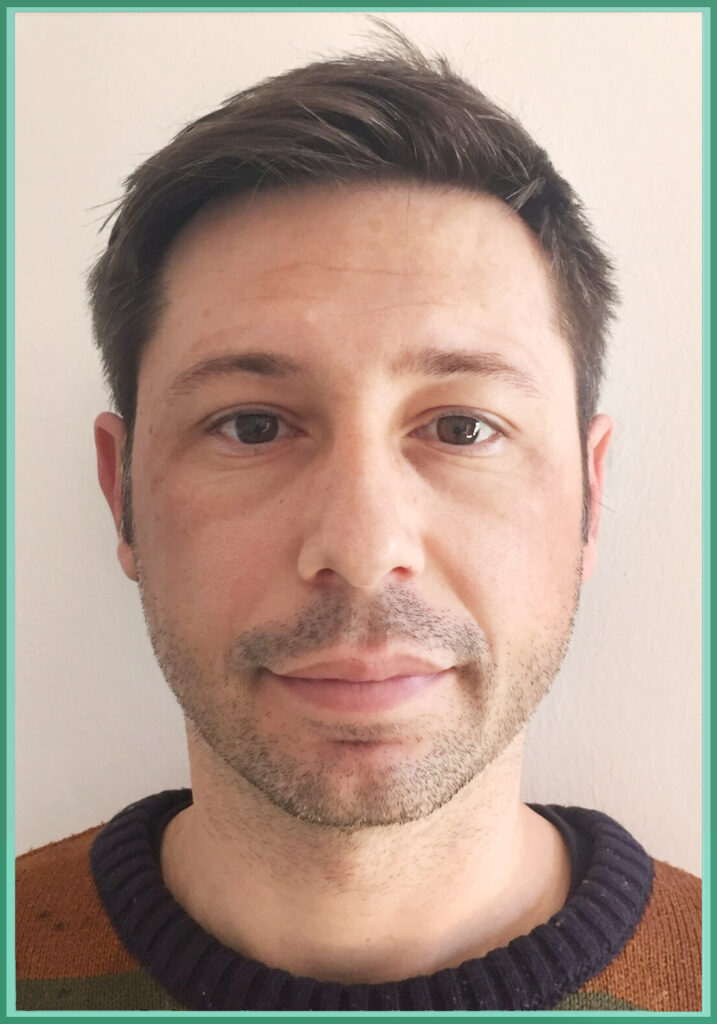
Carlos Lopezosa García is a distinguished academic and professional specialising in journalism, SEO (Search Engine Optimisation), and digital marketing.
He currently works in the Department of Library Science, Documentation, and Audiovisual Communication at the University of Barcelona, within the Faculty of Information and Audiovisual Media.
He holds a PhD in Communication from Pompeu Fabra University and is a member of the Centre of Research in Information, Communication and Culture (CRICC) at the University of Barcelona. He also serves as a board member of the Spanish Society for Documentation and Scientific Information.
His research focuses on the analysis of content visibility, the impact of algorithms, and the use of artificial intelligence in journalism and documentation. To date, he has published more than 100 works, over 50 of which have appeared in indexed journals, addressing topics such as SEO in the media, Google News and Discover, content curation, and applications of artificial intelligence. His work has received more than 3,000 citations on Google Scholar.
He actively participates in research projects and collaborates with other experts, contributing to the development of methodologies and proposals aimed at improving access to digital information.